Style Comparison: Cahors vs Mendoza
From inky, austere and savory to plush, velvety and sun-kissed. The definitive side-by-side tasting guide between French terroir and Argentine mountain sunshine.
Why They Taste So Different
Same grape, two terroirs, two cultures — three very different ingredients.
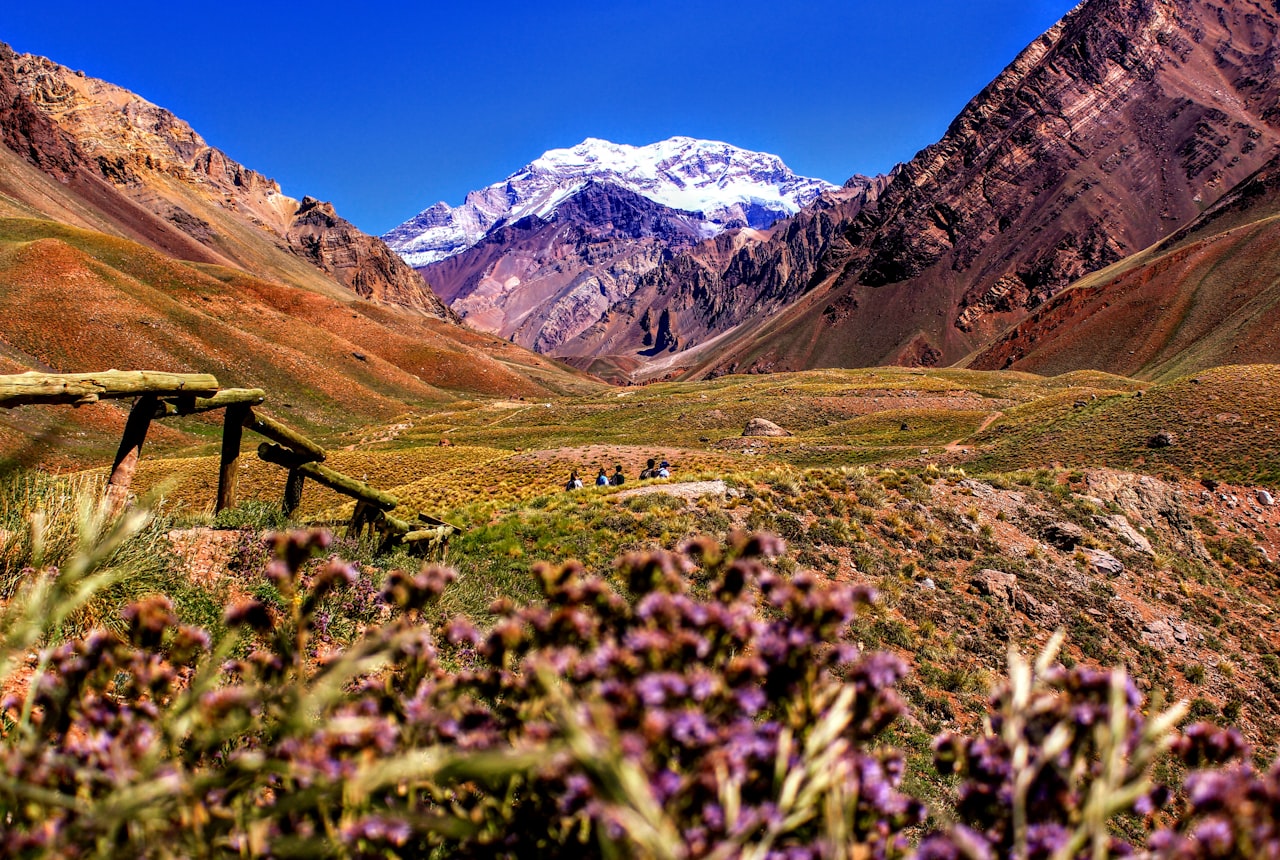
1. Climate. Cahors sits in cool, wet, oceanic southwest France. Mendoza is high, dry, sunny mountain desert. Grapes ripen more fully in Mendoza, so the wine is bigger and fruitier; Cahors keeps more freshness and grip.
2. Soils. Cahors's best vineyards climb onto stony limestone plateaus and gravel terraces above the Lot river. Mendoza's high-altitude foothills are dry, alluvial, gravelly and infertile — producing deep, ripe fruit with bright acidity, especially as you climb the Andes.
3. The grape itself. Argentine Malbec is genetically a little different from the Cahors version: research has shown distinct differences between the clones, with Argentine Malbec berries tending to be smaller, which concentrates flavor and color. A century of selection has pushed it in its own direction.
4. Winemaking tradition. Cahors traditionally aimed for power and ageing — long maceration, oak ageing, structure for the cellar. Mendoza tilted toward fruit, accessibility and oak-polished generosity. Both styles have been moving toward each other in the past decade.
Side by Side: Tasting Profile
| Feature | Cahors (French) | Argentine (Mendoza) |
|---|---|---|
| Climate | Cool, oceanic | High, dry, sunny mountain |
| Colour | Inky, almost black | Deep purple |
| Fruit profile | Black plum, dried fruit, savory | Ripe plum, blackberry, blueberry |
| Other notes | Earth, leather, tobacco, herbs | Violet, sweet spice, mocha, vanilla |
| Tannins | Firmer, grippier | Softer, plush, velvety |
| Acidity | Higher | Medium |
| Body | Full but austere when young | Full and generous |
| Alcohol | Generally moderate | Generally higher (often 14%+) |
| Style | “Rustic,” Old World | “Sun-kissed,” New World |
| Drink | Often better with food, can age | Approachable young, top wines age |
A useful single-line memory: Cahors is darker, austere and savory; Mendoza is plusher, riper and friendlier. Same grape, two emotions.
Two Styles, Both Evolving
Here is something most comparison pieces miss: both regions have been changing fast, and the gap is narrower than it used to be. In Cahors, modern winemakers since the appellation's 1971 AOC have pushed toward better viticulture and softer, more fruit-forward wines — gentler extraction, less aggressive oak, sometimes carbonic maceration or amphora ageing. In Argentina, the high-end has moved the other way: the most serious Mendoza producers — especially in the cooler, higher Uco Valley — make Malbecs that are structured, age-worthy and increasingly Bordeaux-inspired. Cheval des Andes, Catena Zapata Adrianna and other top cuvées belong on the same shelf as fine French reds. So the cliché — rustic French versus jammy Argentine — is only half-true today.
Up next, Chapter 3 of 4 The grape arrived in Argentina in 1853, brought from France by the agronomist Michel Aim Pouget at the invitation of Argentine reformer… Read Chapter 3: Food pairings →