Step 4 of 5

Natural & Low-Sulfite Wines

A movement, not a category. Over the last 20 years, a small but influential movement of winemakers has been making wine with little or no added sulfites. It's called natural wine, low-intervention wine, or vins vivants (living wines). The wines are different — more unpredictable, more alive, sometimes more flawed.

The principles: native yeast fermentation, no added enzymes, minimal or no sulfites at bottling, no filtration. The wines often look cloudy, taste slightly funky at first, and evolve in unexpected ways. Fans love this — purists object.

There's no legal definition of “natural wine” yet. Some certifications exist (Triple A, Vin Méthode Nature), but most natural winemakers operate on word-of-mouth and trust. Argentina has a small but growing scene, especially in the Uco Valley and around Tupungato.
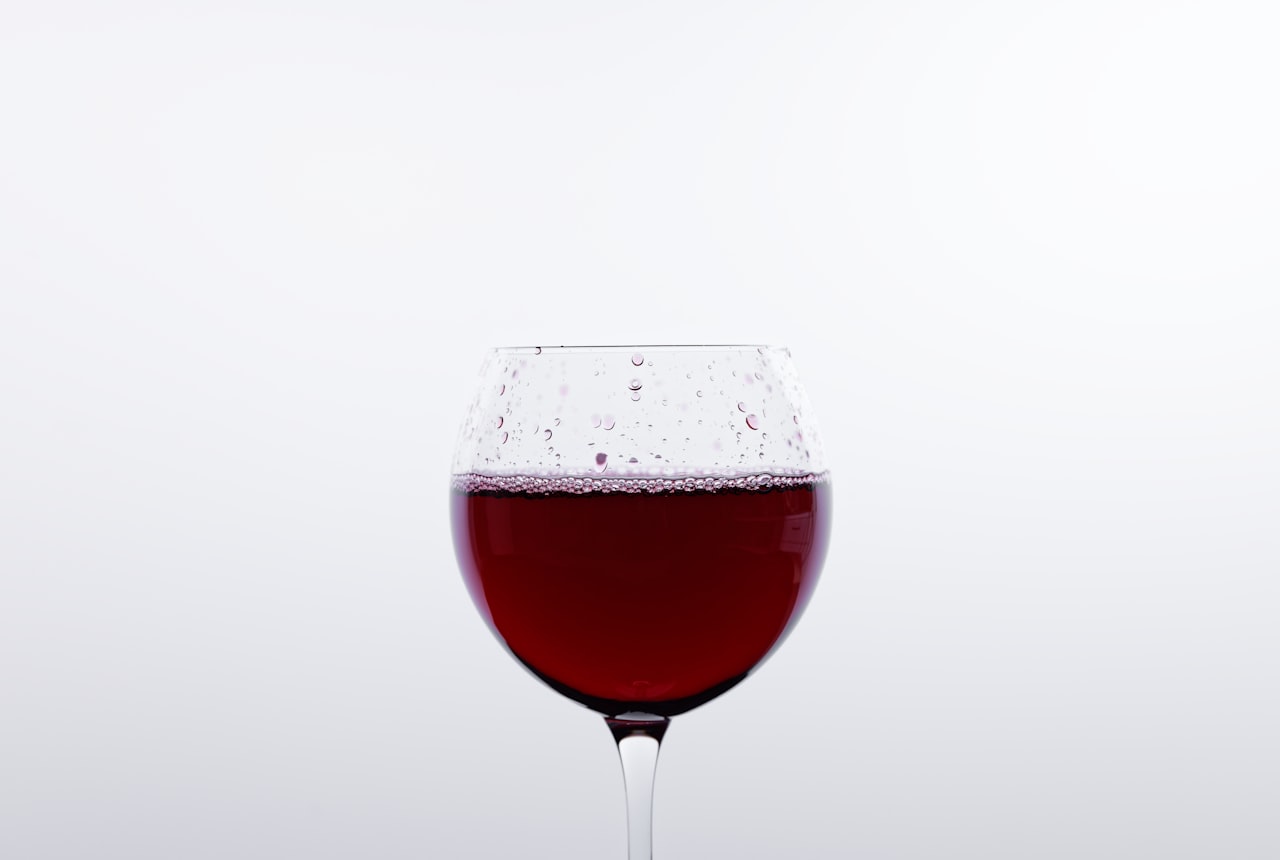
A glass of cloudy, unfiltered natural wine
The natural wine look — slightly hazy, often unfiltered, sometimes alive.

Understanding Argentine Wine (FAQ)

What makes Argentine Malbec so unique?

Argentina's high-altitude vineyards, particularly in Mendoza's Uco Valley, receive intense sunlight and experience dramatic temperature shifts between day and night. This slows grape ripening, resulting in rich flavors, balanced acidity, and smooth tannins.

How should I plan a wine tour in Mendoza?

We recommend booking tastings at least 2-3 months in advance, especially for prestigious wineries. Focus on one sub-region per day (like Luján de Cuyo or Uco Valley) to minimize travel time and enjoy a relaxed pace.

What are the best food pairings for Torrontés?

Torrontés, Argentina's signature white wine, is highly aromatic with floral notes. It pairs beautifully with spicy Asian cuisine, fresh seafood, and traditional Argentine empanadas (especially those containing corn or cheese).