Step 4 of 5

Natural & Low-Sulfite Wines

A movement, not a category. Over the last 20 years, a small but influential movement of winemakers has been making wine with little or no added sulfites. It's called natural wine, low-intervention wine, or vins vivants (living wines). The wines are different — more unpredictable, more alive, sometimes more flawed.

The principles: native yeast fermentation, no added enzymes, minimal or no sulfites at bottling, no filtration. The wines often look cloudy, taste slightly funky at first, and evolve in unexpected ways. Fans love this — purists object.

There's no legal definition of “natural wine” yet. Some certifications exist (Triple A, Vin Méthode Nature), but most natural winemakers operate on word-of-mouth and trust. Argentina has a small but growing scene, especially in the Uco Valley and around Tupungato.
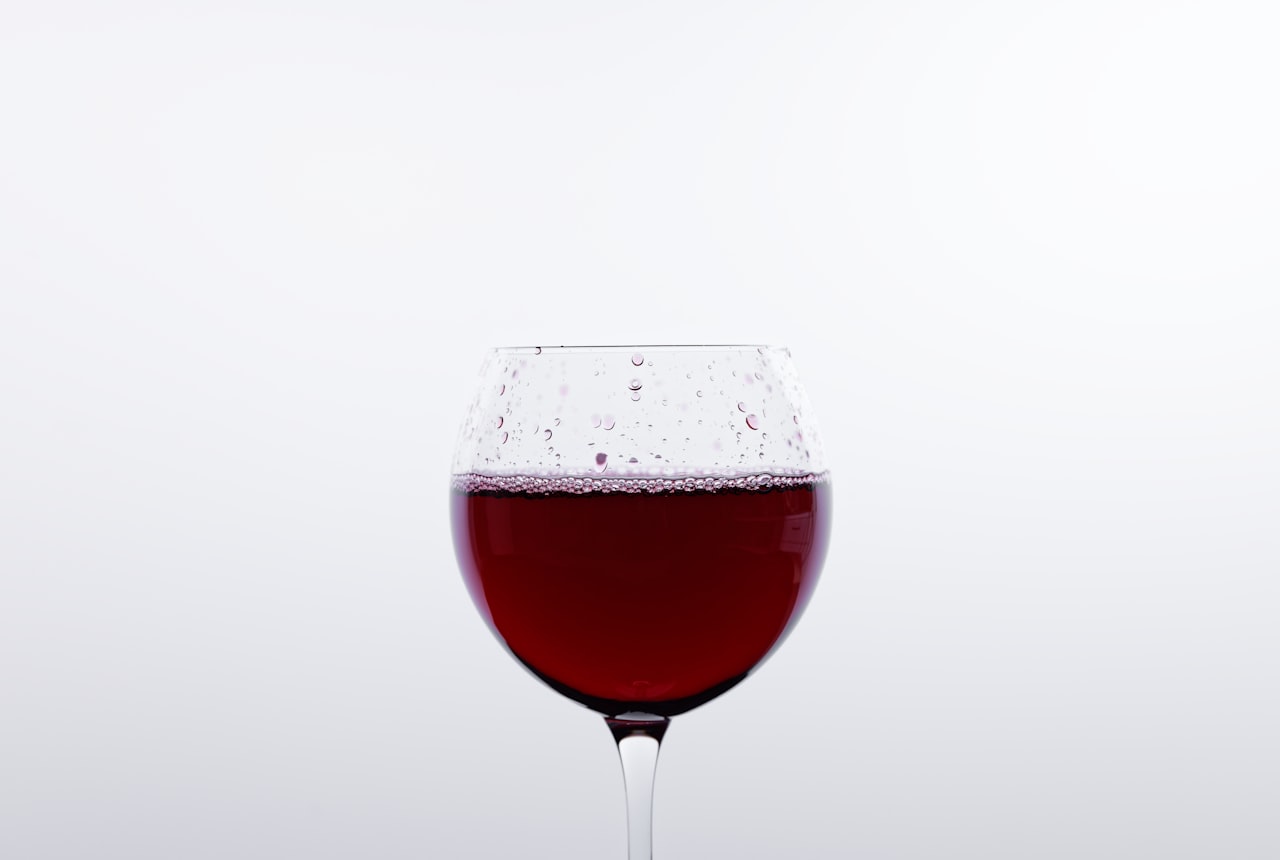
A glass of cloudy, unfiltered natural wine
The natural wine look — slightly hazy, often unfiltered, sometimes alive.

Preguntas Frecuentes sobre el Vino Argentino (FAQ)

¿Qué hace que el Malbec argentino sea tan único?

Los viñedos de gran altitud en Argentina, especialmente en el Valle de Uco en Mendoza, reciben una luz solar intensa y experimentan una gran amplitud térmica. Esto ralentiza la maduración de las uvas, logrando sabores intensos, acidez equilibrada y taninos sedosos.

¿Cómo planificar un tour del vino en Mendoza?

Recomendamos reservar las degustaciones con al menos 2 o 3 meses de anticipación. Concéntrese en una sola subregión por día (como Luján de Cuyo o el Valle de Uco) para reducir los tiempos de traslado y disfrutar al máximo.

¿Cuáles son los mejores maridajes para el Torrontés?

El Torrontés, la uva blanca emblemática de Argentina, es muy aromático y floral. Combina a la perfección con comida asiática picante, mariscos frescos y las tradicionales empanadas salteñas.