Step 5 of 5

Argentina's Low-Intervention Scene

Small but serious. Argentina's natural wine scene is younger than Europe's but growing fast. It's centered in the Uco Valley, with experimental projects also in Patagonia and the high north (Salta, Cafayate).

The country has some advantages for natural winemaking: extremely healthy vineyards (high altitude, dry climate = less disease pressure = less need for chemical intervention), and a culture that's open to experiment. Several established producers — Zuccardi, Catena's experimental projects, smaller producers like Cara Sur — make low-intervention cuvées alongside their main wines.

This is a category to watch. As the global natural wine market grows, Argentina's high-altitude fruit is well-positioned. The next decade may see this scene become a significant part of the country's identity.
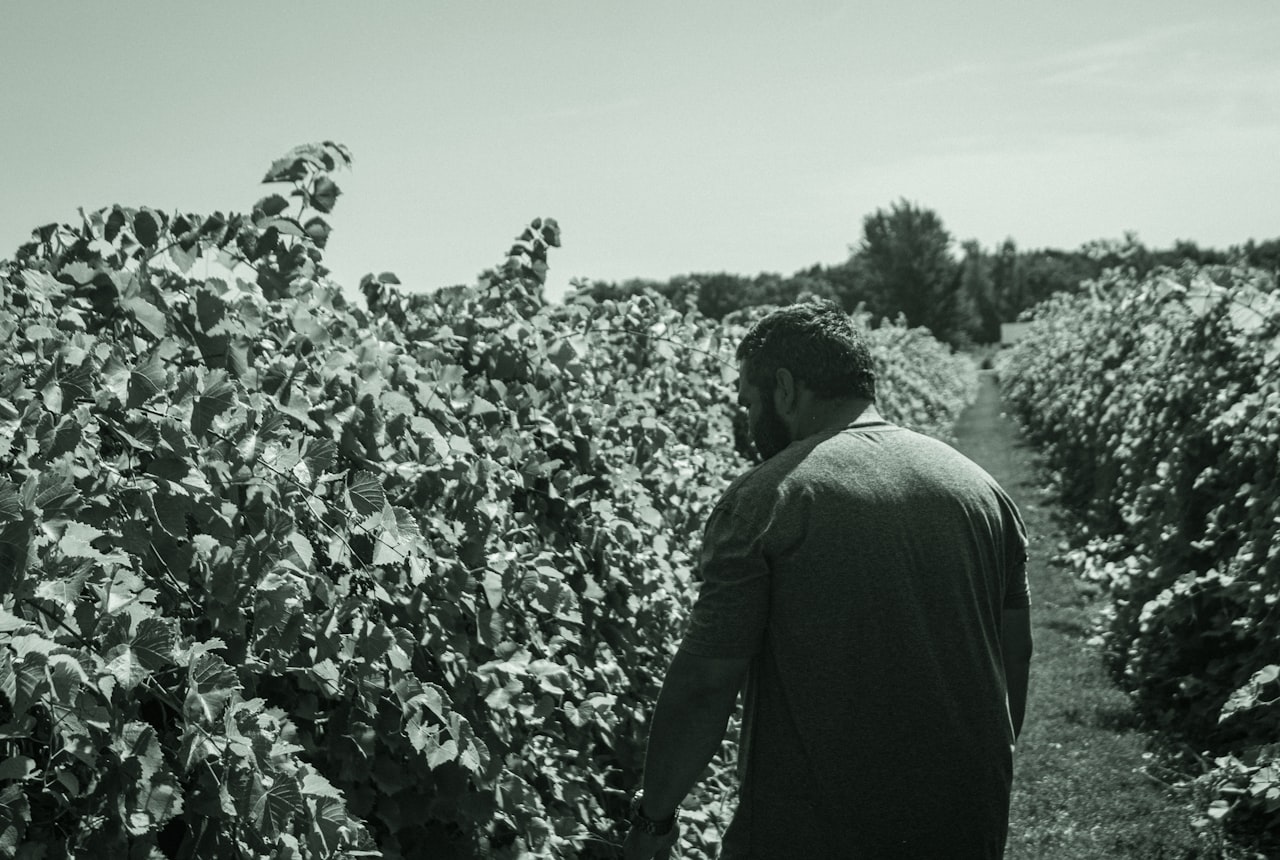
A young winemaker standing in a high-altitude Argentine vineyard
The new Argentine winemaker — high altitude, low intervention.

Understanding Argentine Wine (FAQ)

What makes Argentine Malbec so unique?

Argentina's high-altitude vineyards, particularly in Mendoza's Uco Valley, receive intense sunlight and experience dramatic temperature shifts between day and night. This slows grape ripening, resulting in rich flavors, balanced acidity, and smooth tannins.

How should I plan a wine tour in Mendoza?

We recommend booking tastings at least 2-3 months in advance, especially for prestigious wineries. Focus on one sub-region per day (like Luján de Cuyo or Uco Valley) to minimize travel time and enjoy a relaxed pace.

What are the best food pairings for Torrontés?

Torrontés, Argentina's signature white wine, is highly aromatic with floral notes. It pairs beautifully with spicy Asian cuisine, fresh seafood, and traditional Argentine empanadas (especially those containing corn or cheese).