Step 2 of 5

French vs American oak

French oak — tight grain, savory edge

French oak has tight grain — fewer pores per inch of wood. Less oxygen seeps through, slower flavor extraction. The result is subtle and savory: clove, cedar, dark chocolate, roasted coffee, smoke, hazelnut.

Almost every serious Argentine icon Malbec — Catena Adrianna, Zuccardi top tier, Susana Balbo — ages in French oak. It's three times the price of American, and worth it for wines that can carry it.
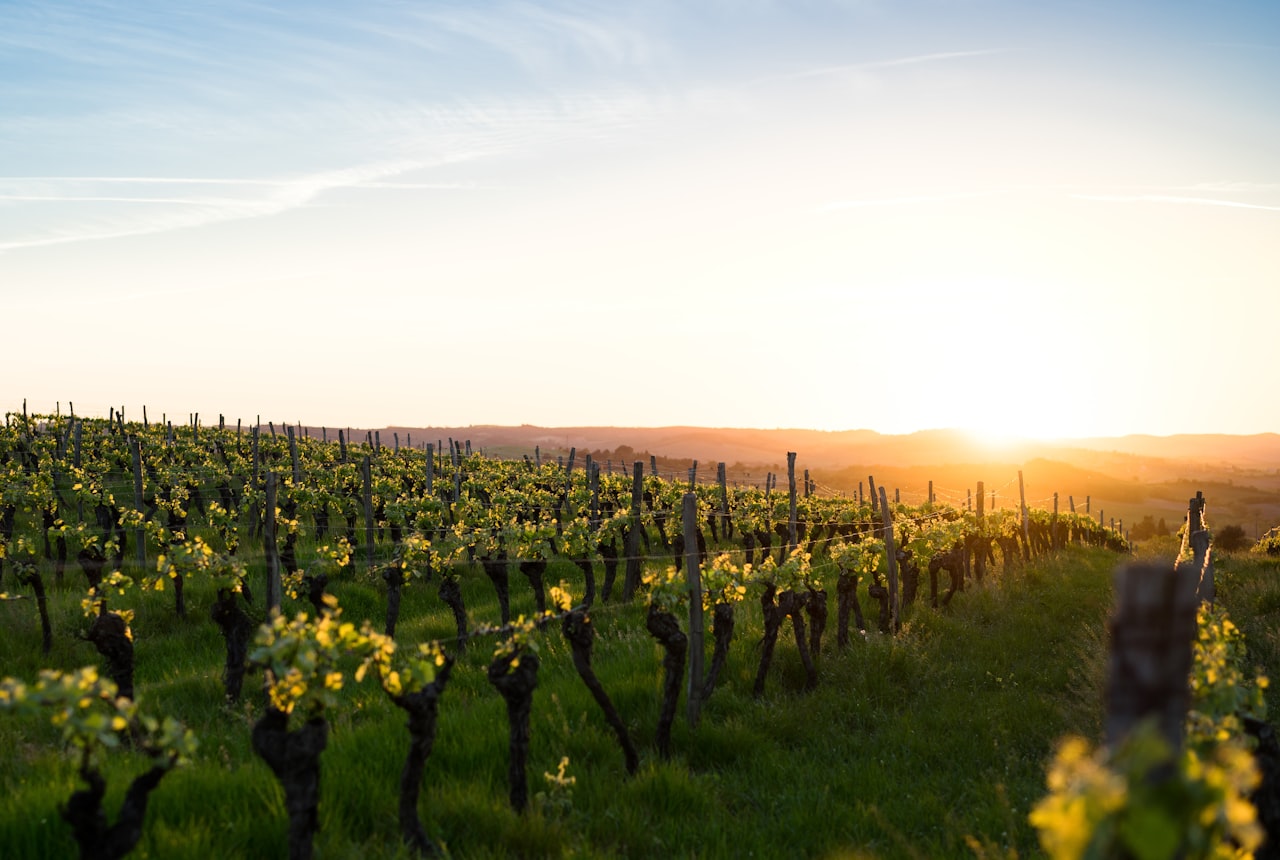
A sunlit vineyard at golden hour, the source of ageworthy French-oaked wine
French oak. Subtle, savory, the standard for ageworthy wine.

American oak — wider grain, sweeter punch

American oak has wider grain. More oxygen exchange, faster flavor extraction. The flavors are bolder and sweeter: vanilla, coconut, dill, dried herbs, toasted bread.

It's the classic choice for Rioja Gran Reserva and big Australian Shiraz. In Argentina, it shows up more in everyday and mid-range wines — where you want the oak signature without the icon-wine price.
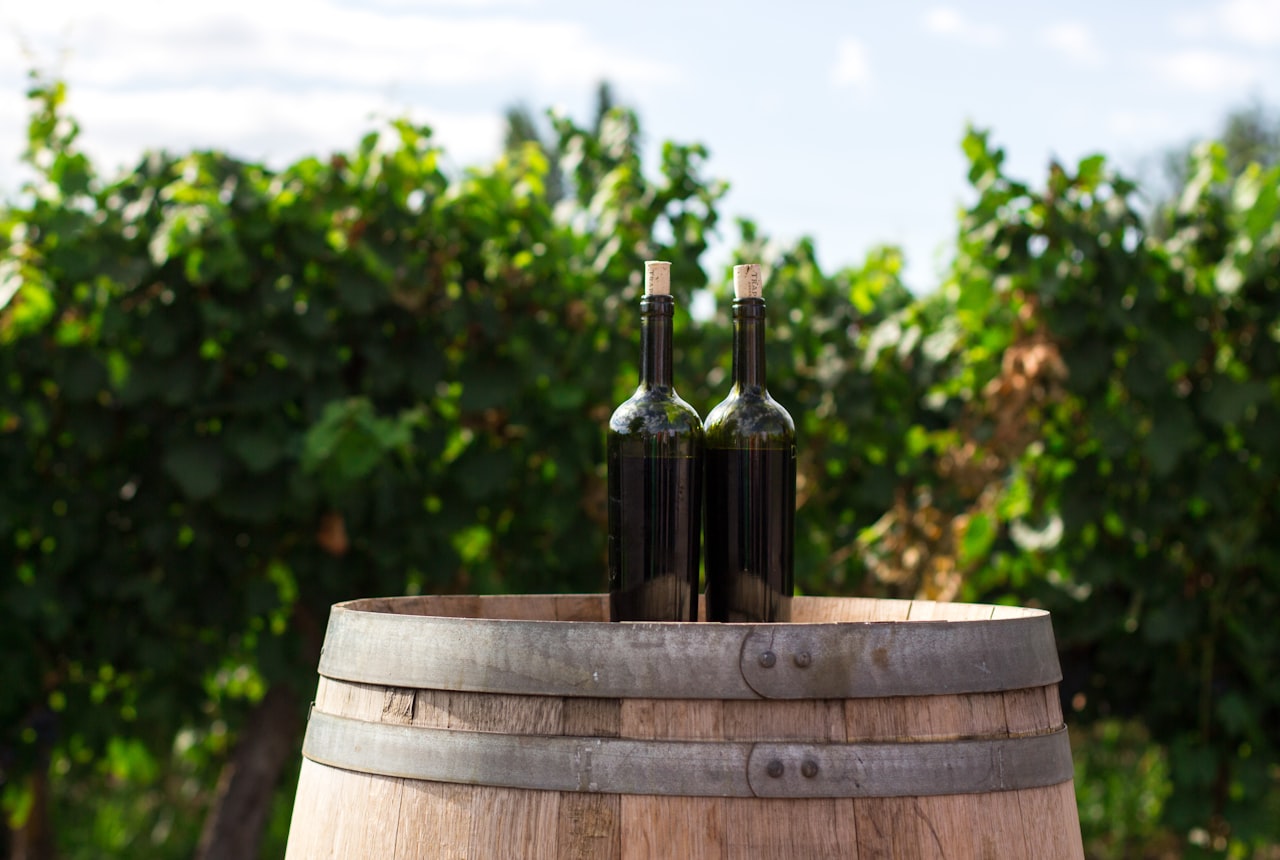
Two corked wine bottles resting on an oak barrel in a vineyard
Two species. Two grain structures. Two completely different signatures.

Understanding Argentine Wine (FAQ)

What makes Argentine Malbec so unique?

Argentina's high-altitude vineyards, particularly in Mendoza's Uco Valley, receive intense sunlight and experience dramatic temperature shifts between day and night. This slows grape ripening, resulting in rich flavors, balanced acidity, and smooth tannins.

How should I plan a wine tour in Mendoza?

We recommend booking tastings at least 2-3 months in advance, especially for prestigious wineries. Focus on one sub-region per day (like Luján de Cuyo or Uco Valley) to minimize travel time and enjoy a relaxed pace.

What are the best food pairings for Torrontés?

Torrontés, Argentina's signature white wine, is highly aromatic with floral notes. It pairs beautifully with spicy Asian cuisine, fresh seafood, and traditional Argentine empanadas (especially those containing corn or cheese).