Step 1 of 4

What the closure actually does

A wine closure has exactly one purpose: control how much oxygen reaches the wine. Tiny amounts of oxygen over years soften tannins, deepen color, and unlock complex aromatics. Too much oxygen flattens the wine. Too little, and an ageworthy wine gets stuck.

An ideal natural cork lets in roughly 1 mg of oxygen per year. That's tiny enough you can't taste it on the first sip — and exactly enough to shape the wine over a decade.
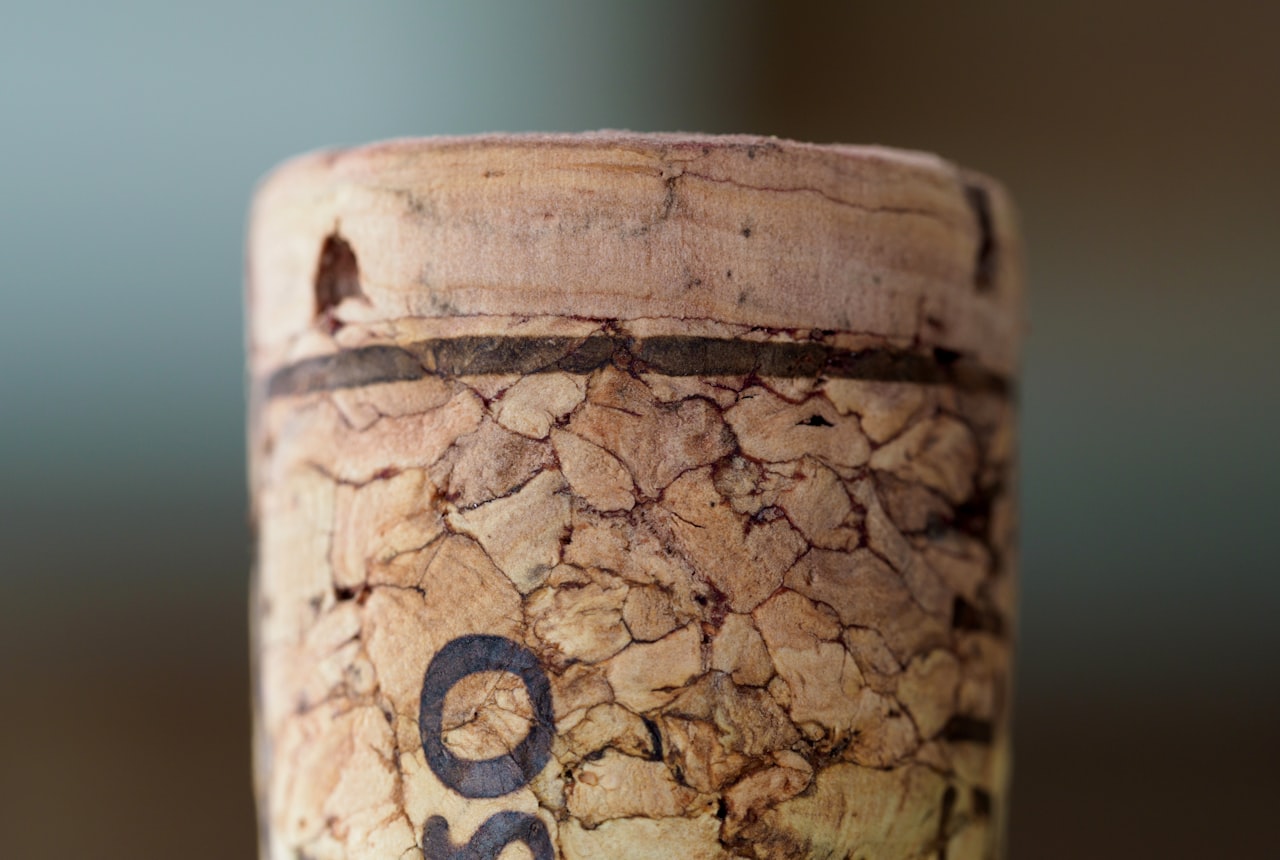
Extreme close-up of a wine cork in a bottle neck, showing the slight gap at the top
Half a millimeter of cork. A whole decade of slow evolution.

Understanding Argentine Wine (FAQ)

What makes Argentine Malbec so unique?

Argentina's high-altitude vineyards, particularly in Mendoza's Uco Valley, receive intense sunlight and experience dramatic temperature shifts between day and night. This slows grape ripening, resulting in rich flavors, balanced acidity, and smooth tannins.

How should I plan a wine tour in Mendoza?

We recommend booking tastings at least 2-3 months in advance, especially for prestigious wineries. Focus on one sub-region per day (like Luján de Cuyo or Uco Valley) to minimize travel time and enjoy a relaxed pace.

What are the best food pairings for Torrontés?

Torrontés, Argentina's signature white wine, is highly aromatic with floral notes. It pairs beautifully with spicy Asian cuisine, fresh seafood, and traditional Argentine empanadas (especially those containing corn or cheese).