Chapter 1 of 4

The highest vineyards

Altitude is the whole story here. Most Cafayate vineyards sit around 1,700 metres; others climb past 2,000, 2,400, even 3,000. The air is thin, the sun is fierce, and rain barely falls — often less than 100 mm a year — so the vines drink Andean snowmelt through irrigation.

Two things follow from that. First, the ultraviolet light is so intense that the grapes grow unusually thick skins to protect themselves — and skins are where colour, tannin and aroma live. Second, warm days are followed by sharply cold nights, a swing that can top 20°C. The heat ripens the fruit; the cold locks in acidity and perfume. The result is low yields of small, concentrated, deeply aromatic grapes — wines with vivid colour, freshness, and an almost electric intensity.
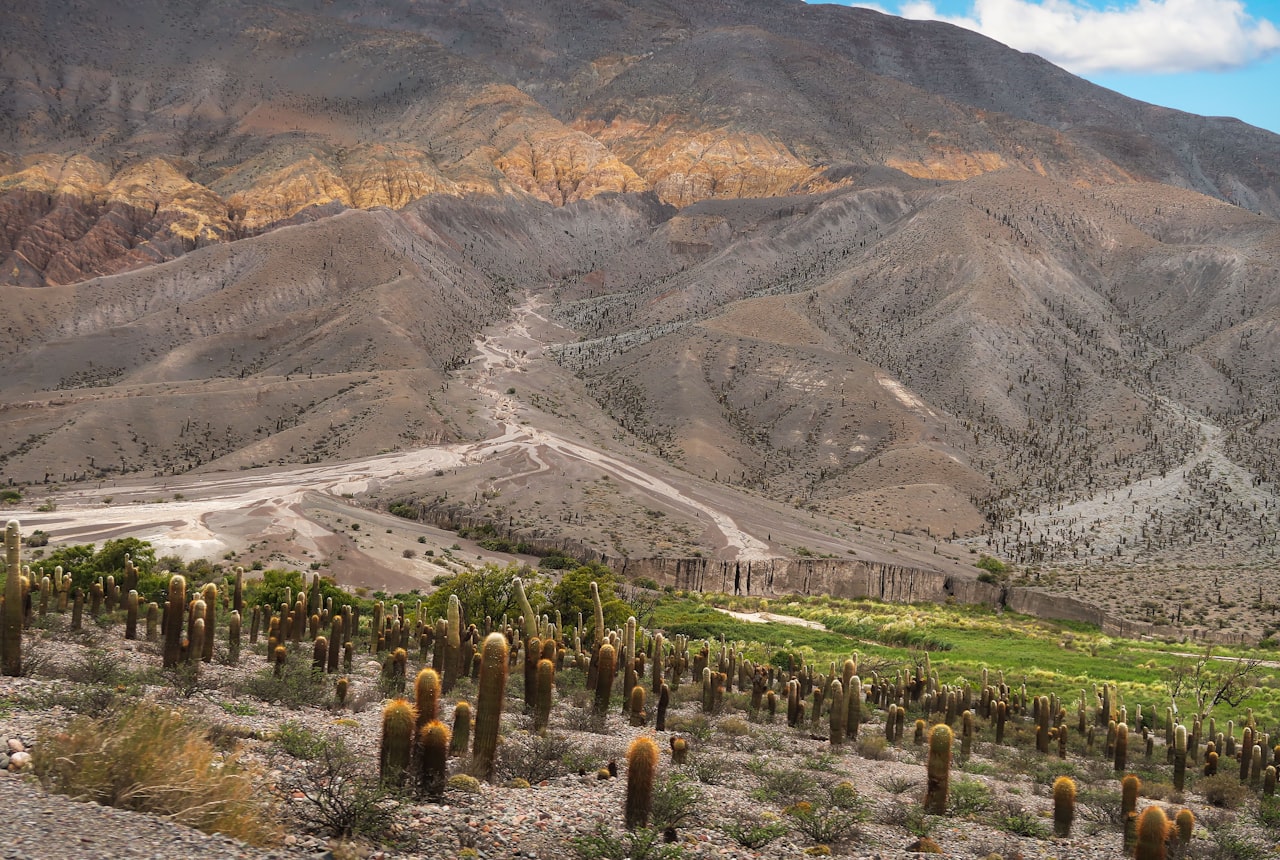
The highest vineyards
Up next, Chapter 2 of 4 Cafayate is the heart a relaxed adobe town built around a leafy plaza and ringed by wineries you can reach on foot or by bike. Read Chapter 2: Cafayate →

Understanding Argentine Wine (FAQ)

What makes Argentine Malbec so unique?

Argentina's high-altitude vineyards, particularly in Mendoza's Uco Valley, receive intense sunlight and experience dramatic temperature shifts between day and night. This slows grape ripening, resulting in rich flavors, balanced acidity, and smooth tannins.

How should I plan a wine tour in Mendoza?

We recommend booking tastings at least 2-3 months in advance, especially for prestigious wineries. Focus on one sub-region per day (like Luján de Cuyo or Uco Valley) to minimize travel time and enjoy a relaxed pace.

What are the best food pairings for Torrontés?

Torrontés, Argentina's signature white wine, is highly aromatic with floral notes. It pairs beautifully with spicy Asian cuisine, fresh seafood, and traditional Argentine empanadas (especially those containing corn or cheese).