Cultura e Historias
La profunda historia humana tras cada copa de vino argentino — las inmigraciones, las familias pioneras, el gaucho y las canciones.
Los viñedos llegaron con las personas. Los primeros sarmientos fueron plantados por misioneros jesuitas en el siglo XVI. Las variedades de uva que dan forma al país llegaron en sucesivas oleadas migratorias: familias italianas y españolas que huían de la pobreza europea, agrónomos franceses convocados por el gobierno y técnicos que tendieron el ferrocarril andino.
A continuación exploramos el costado más humano del vino argentino: las leyendas, el esfuerzo inmigrante y el desafío de cultivar en las alturas.
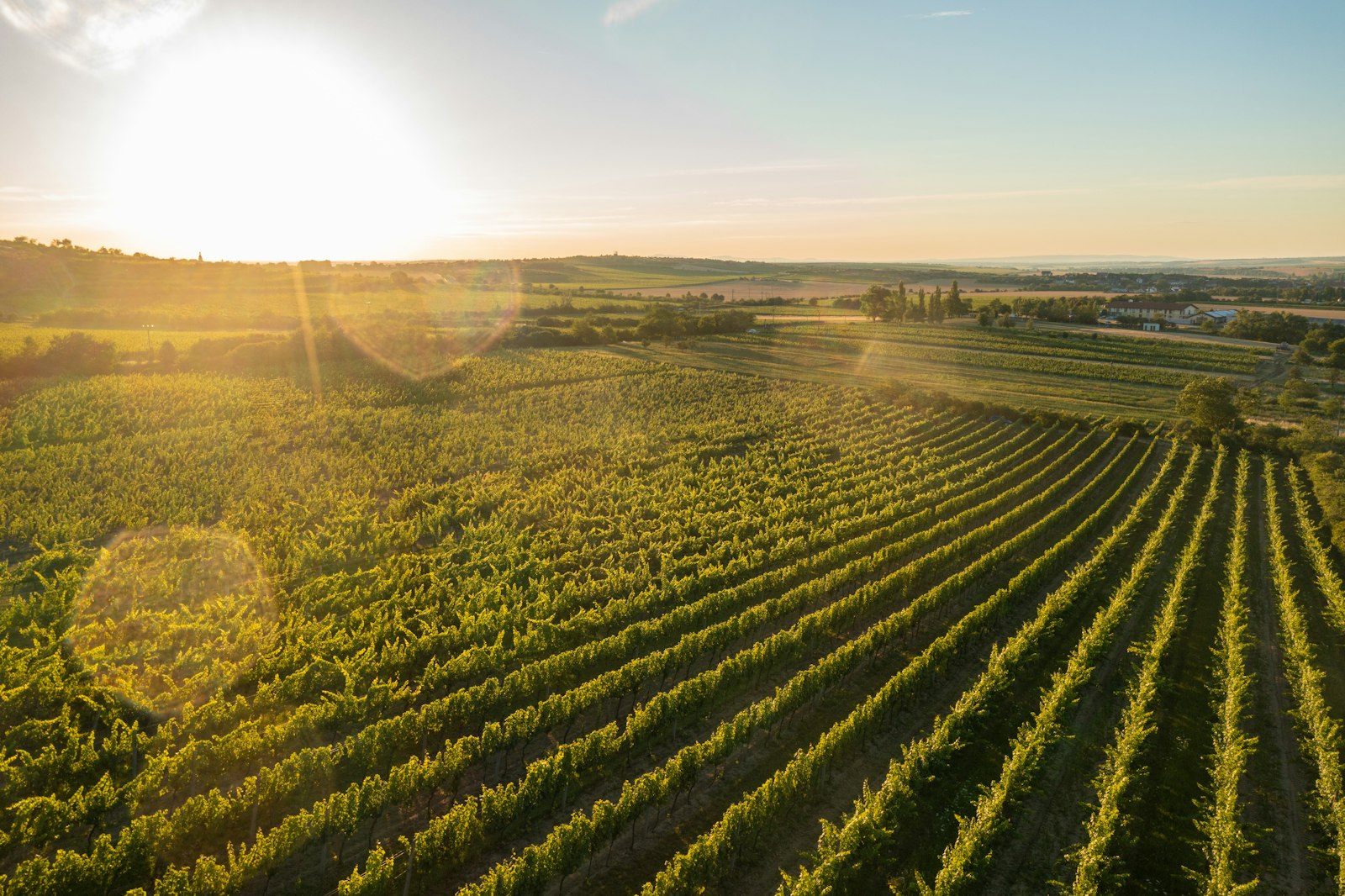
How Malbec saved Argentina
A grape almost lost twice — in its French homeland and again in Mendoza — before one immigrant family pulled it back and gave a country its identity in a glass.
The human side of the wine

Altitude as a superpower
From 3,111-metre vineyards in Salta to the high Uco Valley — the science and magic of a country that grows its grapes in the sky.
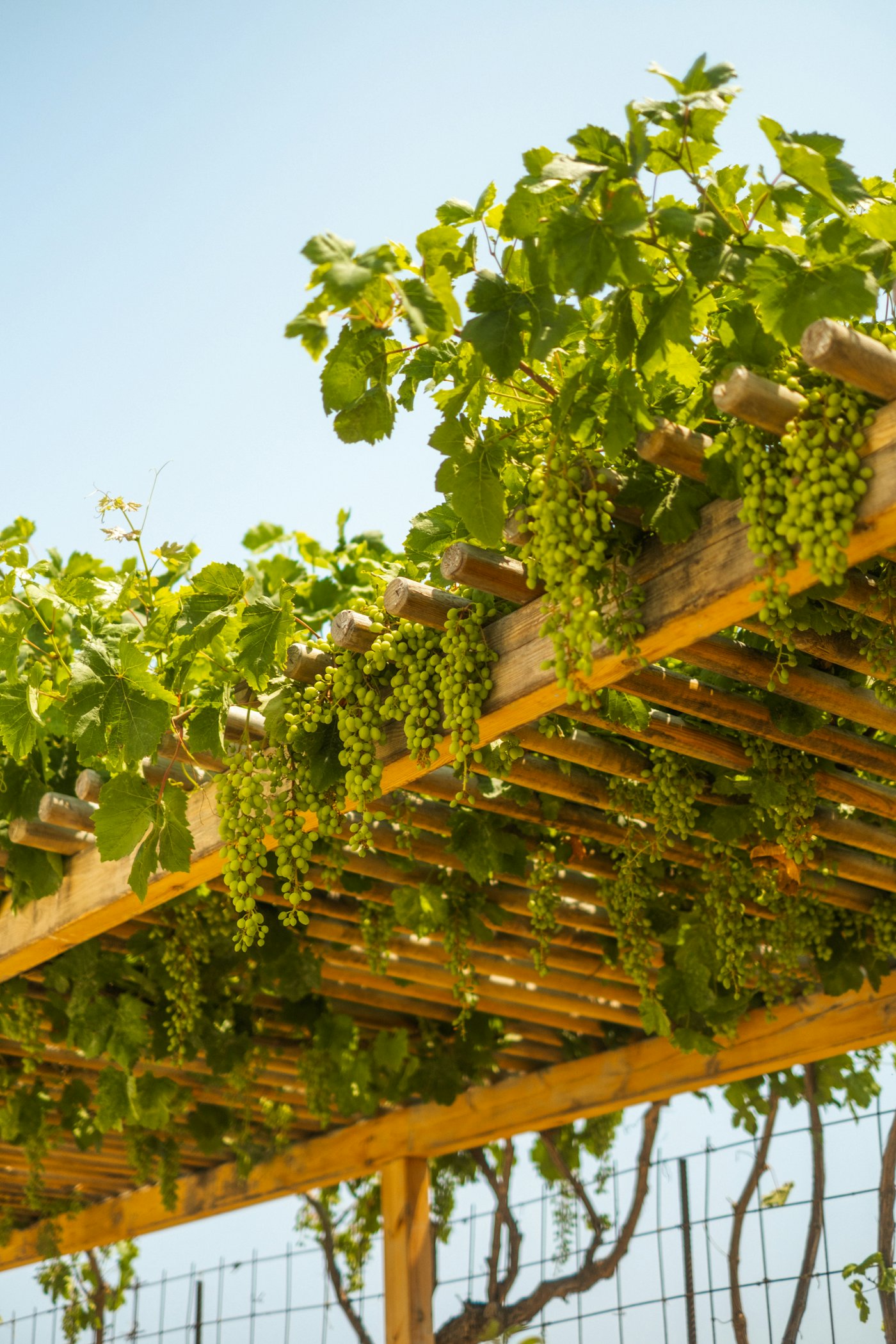
Italy in the glass
From the Piedmont to Mendoza, Italian immigrants shaped Argentina's wine, its food and even the way it eats.

Qué beber con el asado
The long, smoky Sunday feast — and how a clever host changes wines across it, course by course.