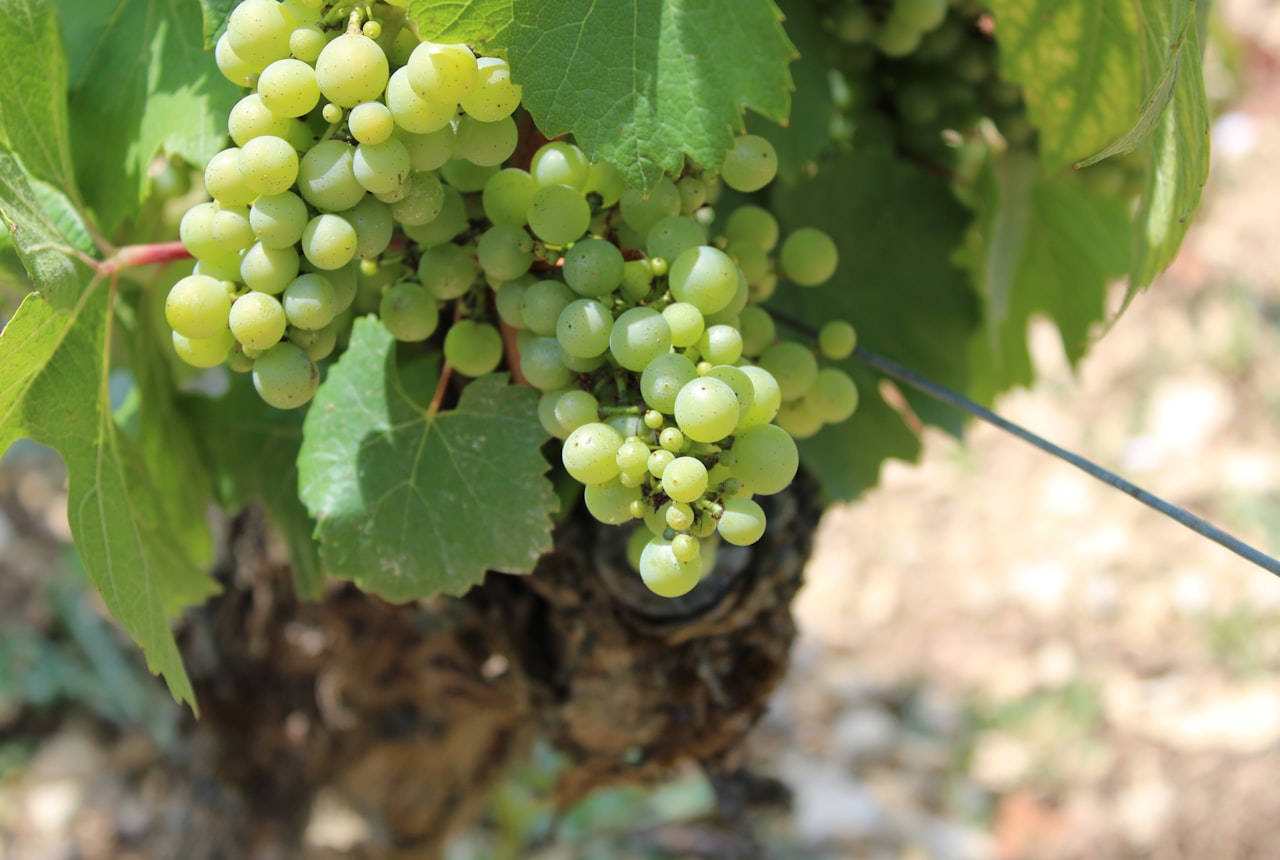
Chardonnay: la revolución blanca de altura en Argentina
La uva blanca más famosa del mundo renace en las alturas frías y pedregosas del Valle de Uco — tensa, mineral y profundamente seria.
For years, the story of Argentine wine was a red story. Then a handful of winemakers climbed higher up the Andes than anyone thought sensible, planted white grapes in cold, stony ground, and started a quiet revolution. One of the country's most respected producers now calls white wine one of the biggest revolutions happening in Argentina today — and at the centre of it is Chardonnay, the world's most famous white grape, reborn at altitude.
Qué encontrarás
01Altitude Chardonnay
Why altitude changes everything The problem with white wine in a hot, sunny country is acidity: warmth makes grapes ripe and…
Leer el capítulo 1 →El estilos
Argentine high-altitude Chardonnay leans toward the lean, precise and mineral end of the spectrum rather than the heavy, oaky style.
Leer el capítulo 2 →Food pairings
Taste it where the air is thin.
Leer el capítulo 3 →Argentine icons
The grape everyone knows, somewhere new Chardonnay needs no introduction.
Leer el capítulo 4 →Respuestas rápidas
Is Argentine Chardonnay good?
Yes — it is at the heart of Argentina's white-wine revolution. The best examples, from the high-altitude Uco Valley, are taut, mineral and age-worthy, often compared to white Burgundy, and rank among the country's finest wines.
Where is the best Chardonnay in Argentina grown?
In the high-altitude Uco Valley in Mendoza, especially the Gualtallary district of Tupungato, where vineyards above roughly 1,100–1,500 metres sit on rare limestone-rich, stony soils that give the wines a mineral, Burgundian character.
What does Argentine Chardonnay taste like?
The signature high-altitude style is lean and precise, with citrus, grapefruit, white flowers, honeysuckle and a chalky mineral note, carried by bright acidity. Richer, oak-aged versions also exist, with baked-pastry and nutmeg notes.
What are White Bones and White Stones?
They are two landmark single-vineyard Chardonnays from Catena's Adrianna Vineyard in Gualtallary, named after the different soils beneath the vines. Made by winemaker Alejandro Vigil, they helped prove Argentina could make world-class white wine.
What food pairs with Argentine Chardonnay?
The lean, mineral style suits white fish, seafood, ceviche, roast chicken and creamy pasta, while richer oak-aged versions pair with lobster, cheese and pork. Serve well-chilled but not ice-cold to preserve the minerality.