Pinot Noir: la uva esquiva encuentra su hogar en Argentina
El tinto más delicado de Argentina — mínimo en volumen, enorme en ambición. Pinot Noir de clima frío desde la ventosa Patagonia hasta la cumbre del Valle de Uco.
Pinot Noir is famously the “heartbreak grape” — thin-skinned, fickle, quick to disappoint, and capable, in the right place, of producing some of the most haunting wines on earth. Argentina is not the first country you think of for it. And yet, at the two opposite edges of the country's wine map — the windswept far south and the high rooftop of the Uco Valley — Argentina is quietly making Pinot Noir of real elegance. It is the country's most delicate red, the antidote to the muscle of Malbec.
Qué encontrarás
01Patagonia, the home
A tiny grape with outsized ambition Let's be honest about scale: Pinot Noir is a rounding error in Argentina, accounting for…
Leer el capítulo 1 →El estilo profile
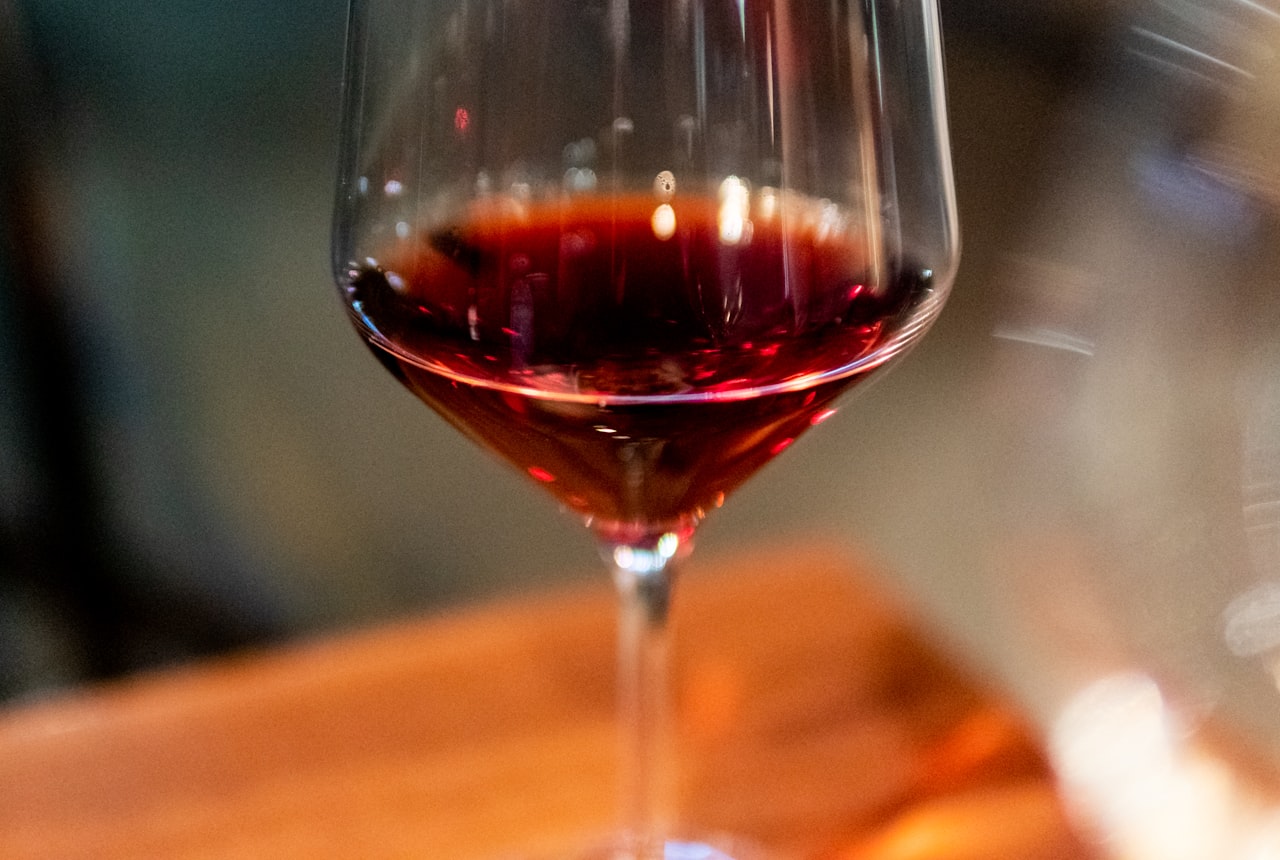
Argentine Pinot Noir is pale in color and light on its feet the opposite of a brooding Malbec.
Leer el capítulo 2 →Pairings
Follow it to the edges of the map.
Leer el capítulo 3 →Best producers
Pinot's lightness and acidity make it one of the most food-flexible reds there is, and a welcome break from the heavier Argentine reds.
Leer el capítulo 4 →Respuestas rápidas
Does Argentina make good Pinot Noir?
Increasingly, yes. It is a small category — under 2% of Argentina's red plantings — but producers in cool-climate Patagonia and the high-altitude Uco Valley are making elegant, age-worthy Pinot Noir, and the best examples are among the country's most exciting wines.
Where is Pinot Noir grown in Argentina?
Mainly in two places: the cool far-south region of Patagonia (Río Negro, Neuquén and newer sites in Chubut), and the high-altitude Uco Valley in Mendoza, especially the cold, stony Gualtallary district above about 1,200 meters.
What does Argentine Pinot Noir taste like?
It is pale and light-bodied, with red cherry, strawberry and raspberry fruit, floral rose-petal notes and sometimes a savory, truffly complexity. It has bright acidity and fine, silky tannins, with a mineral tension from the coolest, highest sites.
Why is Pinot Noir called the heartbreak grape?
Because it is thin-skinned, sensitive to climate and difficult to grow well, frustrating winemakers who attempt it. When it succeeds, though, it produces some of the most prized and elegant wines in the world — which is why growers keep trying.
What food pairs with Argentine Pinot Noir?
Its lightness and acidity suit roast poultry and duck, salmon and meatier fish, mushroom dishes and soft cheeses. It can be served slightly chilled and is far more food-flexible than heavier reds like Malbec.