Chapter 2 of 4

UV & the skins

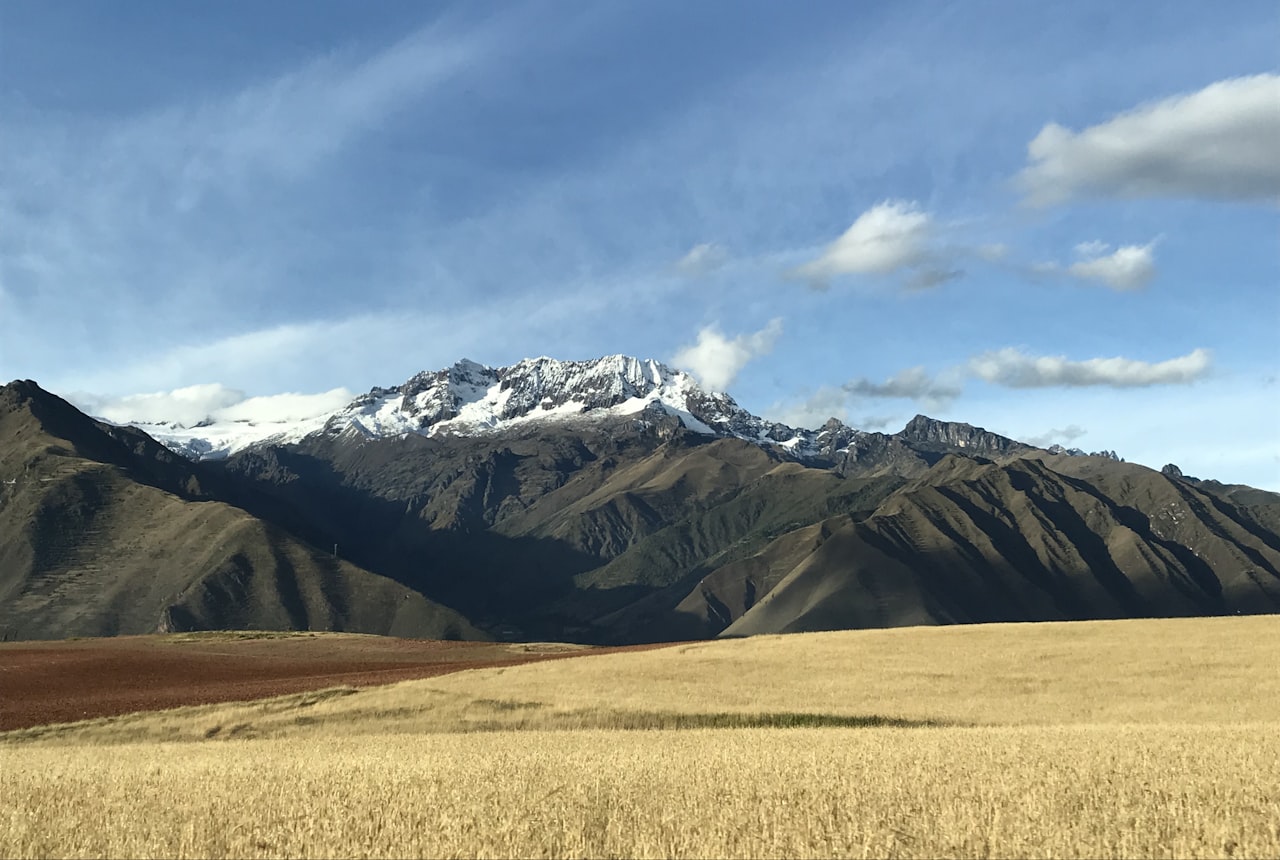
The modern wine world is moving toward freshness. Drinkers — and importantly, sommeliers — are increasingly drawn to wines with energy and acidity rather than heavy alcohol and oak. That's exactly what altitude delivers. Argentina got there partly by accident of geography, partly by deliberate pioneering — most notably in the 1990s, when Nicolás Catena planted higher and higher up the Andes than anyone thought possible — and the country now finds itself perfectly placed for the way the world wants to drink.

This is why “altitude” appears on so many Argentine wine labels. It is not a marketing word. It is the answer to nearly every question you might ask about an Argentine wine: why this grape, why this region, why this taste. Read an altitude figure on a bottle, and you can already half-guess what is in the glass. So the next time you pour an Argentine wine, look at the back label for the number. Somewhere in there, between 700 and 3,000 meters, is the entire secret of the country in your hand.
Browse our Argentina wine tours

UV & the skins
Up next, Chapter 3 of 4 The brilliant thing about altitude is that it works as a substitute for latitude. Read Chapter 3: Temperature swings →

Preguntas Frecuentes sobre el Vino Argentino (FAQ)

¿Qué hace que el Malbec argentino sea tan único?

Los viñedos de gran altitud en Argentina, especialmente en el Valle de Uco en Mendoza, reciben una luz solar intensa y experimentan una gran amplitud térmica. Esto ralentiza la maduración de las uvas, logrando sabores intensos, acidez equilibrada y taninos sedosos.

¿Cómo planificar un tour del vino en Mendoza?

Recomendamos reservar las degustaciones con al menos 2 o 3 meses de anticipación. Concéntrese en una sola subregión por día (como Luján de Cuyo o el Valle de Uco) para reducir los tiempos de traslado y disfrutar al máximo.

¿Cuáles son los mejores maridajes para el Torrontés?

El Torrontés, la uva blanca emblemática de Argentina, es muy aromático y floral. Combina a la perfección con comida asiática picante, mariscos frescos y las tradicionales empanadas salteñas.