Chapter 4 of 5

The discovery

For most of the 20th century, though, Argentine wine was a domestic affair, and not a glorious one. The country drank vast quantities of cheap, bulk wine — vino de mesa — and quantity beat quality almost everywhere. Even Malbec itself, despite its quiet success in Mendoza, suffered a second near-death: through the 1970s and 1980s, growers ripped it out in favor of higher-yielding varieties that paid better by the liter.

The grape that had survived phylloxera, the Little Ice Age and the 1956 frost in France was now being pulled up by its roots in the one country where it thrived. It might have been lost altogether.
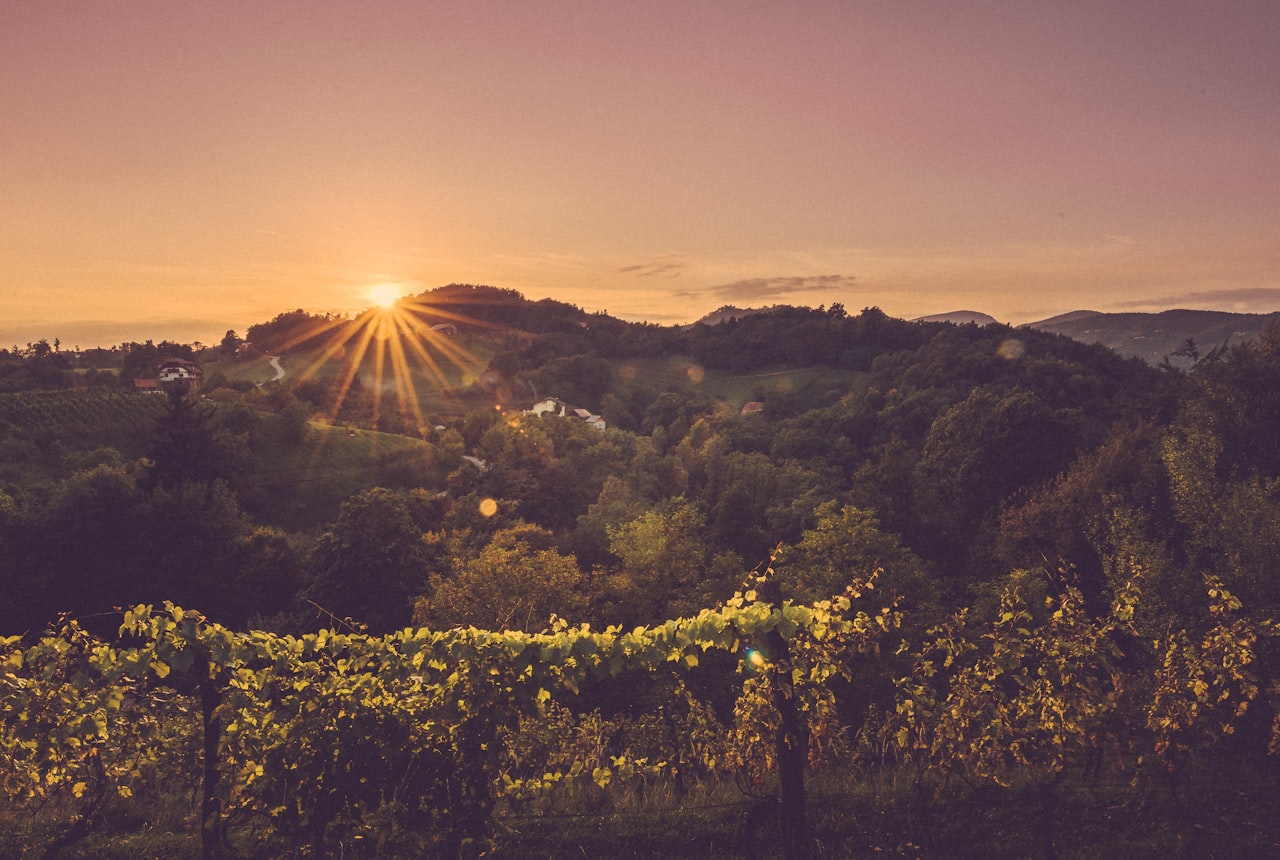
The discovery
Up next, Chapter 5 of 5 The other half of the founding story is the immigrants. Read Chapter 5: Today →

Understanding Argentine Wine (FAQ)

What makes Argentine Malbec so unique?

Argentina's high-altitude vineyards, particularly in Mendoza's Uco Valley, receive intense sunlight and experience dramatic temperature shifts between day and night. This slows grape ripening, resulting in rich flavors, balanced acidity, and smooth tannins.

How should I plan a wine tour in Mendoza?

We recommend booking tastings at least 2-3 months in advance, especially for prestigious wineries. Focus on one sub-region per day (like Luján de Cuyo or Uco Valley) to minimize travel time and enjoy a relaxed pace.

What are the best food pairings for Torrontés?

Torrontés, Argentina's signature white wine, is highly aromatic with floral notes. It pairs beautifully with spicy Asian cuisine, fresh seafood, and traditional Argentine empanadas (especially those containing corn or cheese).