Chapter 4 of 5

The discovery

For most of the 20th century, though, Argentine wine was a domestic affair, and not a glorious one. The country drank vast quantities of cheap, bulk wine — vino de mesa — and quantity beat quality almost everywhere. Even Malbec itself, despite its quiet success in Mendoza, suffered a second near-death: through the 1970s and 1980s, growers ripped it out in favor of higher-yielding varieties that paid better by the liter.

The grape that had survived phylloxera, the Little Ice Age and the 1956 frost in France was now being pulled up by its roots in the one country where it thrived. It might have been lost altogether.
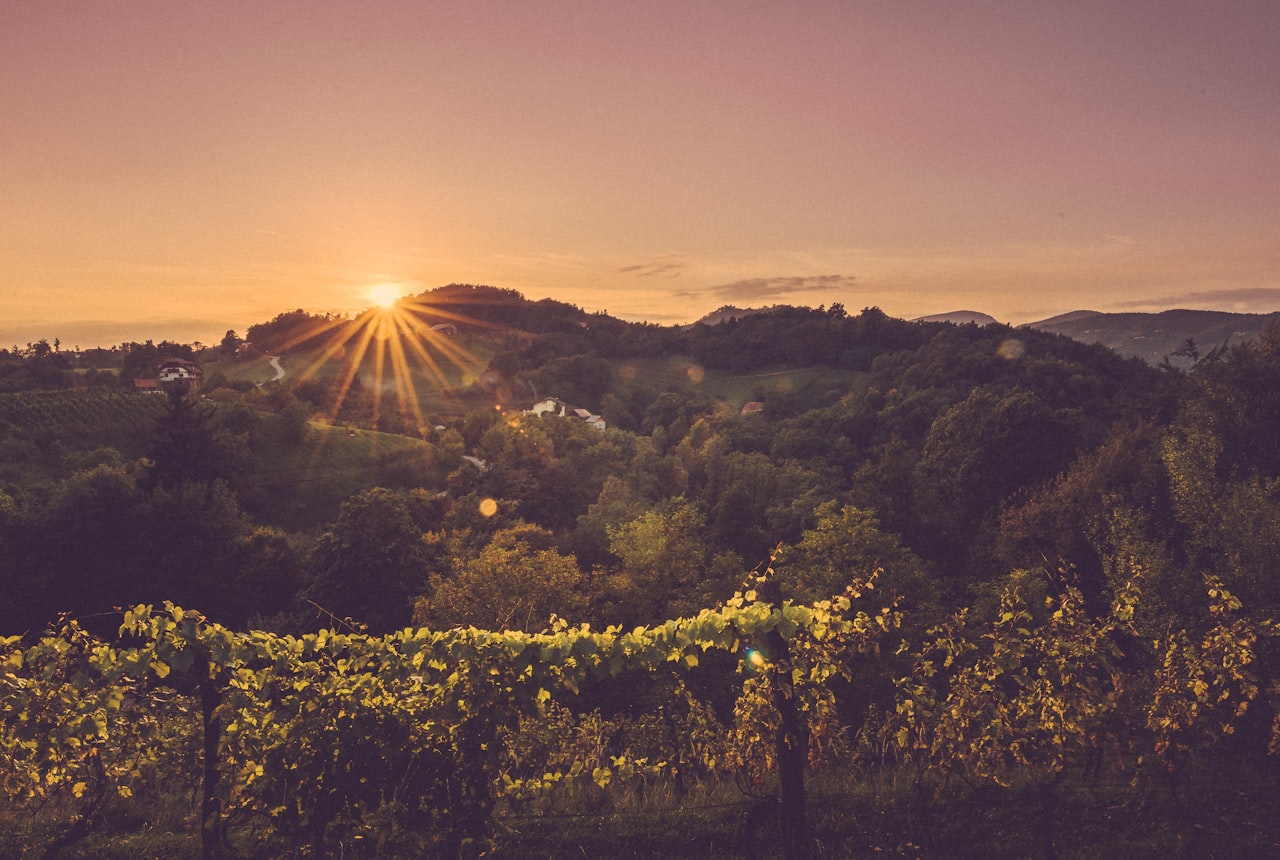
The discovery
Up next, Chapter 5 of 5 The other half of the founding story is the immigrants. Read Chapter 5: Today →

Preguntas Frecuentes sobre el Vino Argentino (FAQ)

¿Qué hace que el Malbec argentino sea tan único?

Los viñedos de gran altitud en Argentina, especialmente en el Valle de Uco en Mendoza, reciben una luz solar intensa y experimentan una gran amplitud térmica. Esto ralentiza la maduración de las uvas, logrando sabores intensos, acidez equilibrada y taninos sedosos.

¿Cómo planificar un tour del vino en Mendoza?

Recomendamos reservar las degustaciones con al menos 2 o 3 meses de anticipación. Concéntrese en una sola subregión por día (como Luján de Cuyo o el Valle de Uco) para reducir los tiempos de traslado y disfrutar al máximo.

¿Cuáles son los mejores maridajes para el Torrontés?

El Torrontés, la uva blanca emblemática de Argentina, es muy aromático y floral. Combina a la perfección con comida asiática picante, mariscos frescos y las tradicionales empanadas salteñas.