Chapter 2 of 4

The style profile

Argentine Pinot Noir is pale in color and light on its feet — the opposite of a brooding Malbec. Expect aromas of red cherry, strawberry and raspberry, often lifted by floral notes of dried rose petal and, in the more complex examples, a savory hint of truffle or forest floor. On the palate it is delicate and fresh, with bright acidity and fine, silky tannins. From the stoniest, highest or coolest sites it gains that distinctive mineral, wind-blown tension that sets the best apart.

It is worth saying plainly: Argentina is still early in its Pinot journey, still discovering what its own Pinot Noir really is. That is exactly why it is fun to drink now — you are tasting a country figuring something out in real time.
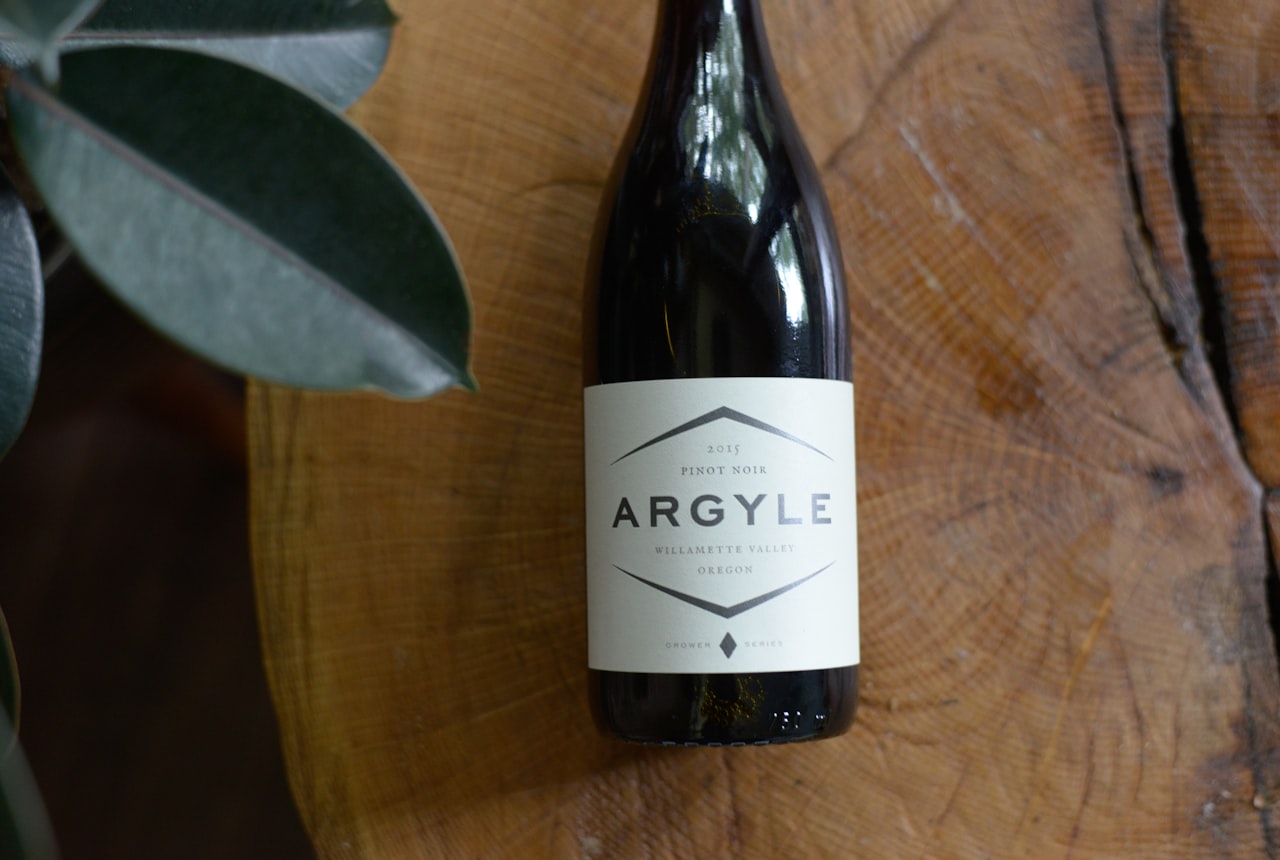
The style profile
Up next, Chapter 3 of 4 Follow it to the edges of the map. Read Chapter 3: Pairings →

Understanding Argentine Wine (FAQ)

What makes Argentine Malbec so unique?

Argentina's high-altitude vineyards, particularly in Mendoza's Uco Valley, receive intense sunlight and experience dramatic temperature shifts between day and night. This slows grape ripening, resulting in rich flavors, balanced acidity, and smooth tannins.

How should I plan a wine tour in Mendoza?

We recommend booking tastings at least 2-3 months in advance, especially for prestigious wineries. Focus on one sub-region per day (like Luján de Cuyo or Uco Valley) to minimize travel time and enjoy a relaxed pace.

What are the best food pairings for Torrontés?

Torrontés, Argentina's signature white wine, is highly aromatic with floral notes. It pairs beautifully with spicy Asian cuisine, fresh seafood, and traditional Argentine empanadas (especially those containing corn or cheese).