Chapter 4 of 4

Food pairings

This is where Cabernet earns its keep. Blended with Malbec — often with a little Cabernet Franc and Petit Verdot in a Bordeaux-inspired style — it adds structure, tannin and ageing potential to Malbec's plush fruit. The result is Argentina's “icon wine” category: the bottles that compete on the world stage.

The landmark moment came with Nicolás Catena Zapata. Its inaugural 1997 vintage, a Cabernet Sauvignon–Malbec blend, won a series of blind tastings against prestigious cuvĂ©es from around the world — a result that announced Argentina as a source of genuinely world-class reds, not just great value. Estates like Mendel built reputations on Cabernet of real concentration and ageability. The grape that arrived as a supporting actor had quietly become a headliner.
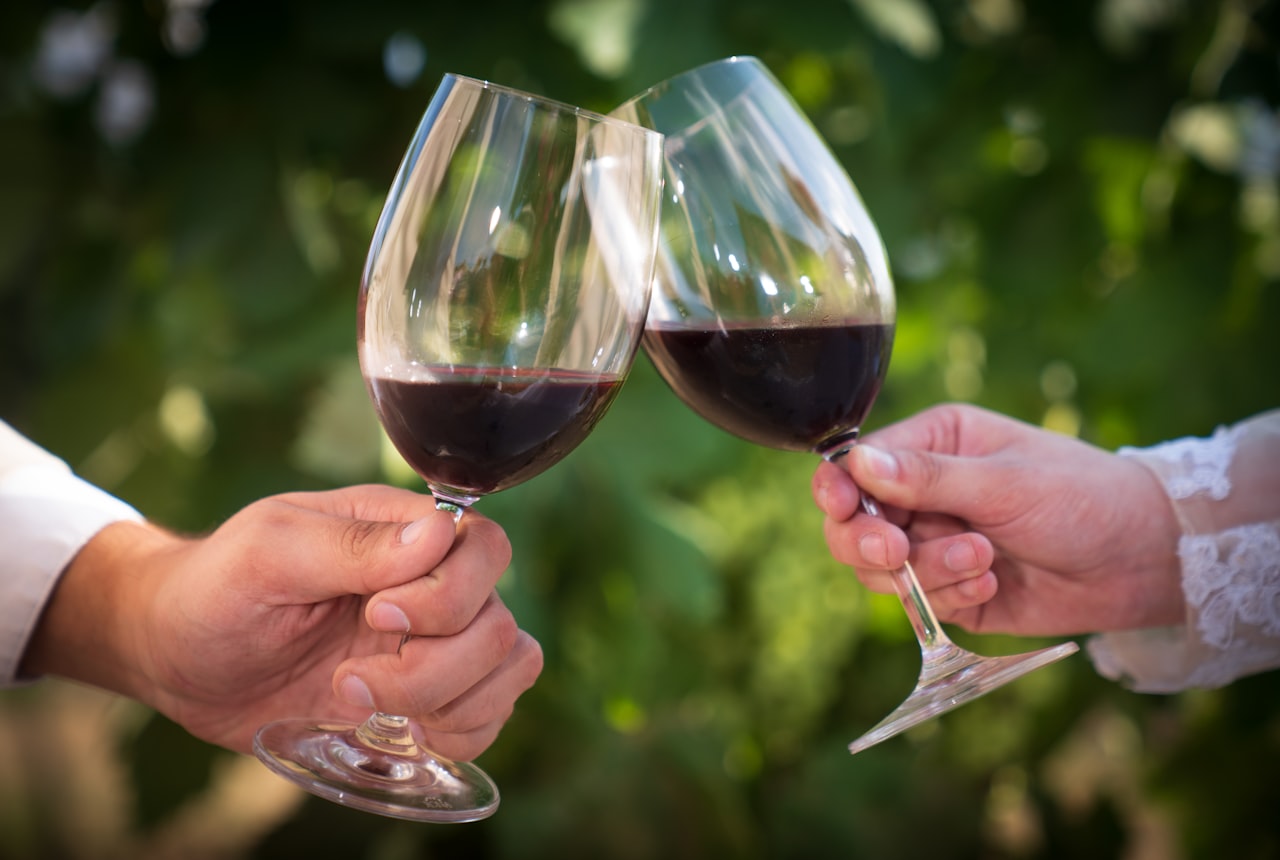
Grilled red meat with a glass of red wine on a wooden table
Firm tannins, dark fruit — Cabernet is built for the grill, and the asado is its natural home.

Understanding Argentine Wine (FAQ)

What makes Argentine Malbec so unique?

Argentina's high-altitude vineyards, particularly in Mendoza's Uco Valley, receive intense sunlight and experience dramatic temperature shifts between day and night. This slows grape ripening, resulting in rich flavors, balanced acidity, and smooth tannins.

How should I plan a wine tour in Mendoza?

We recommend booking tastings at least 2-3 months in advance, especially for prestigious wineries. Focus on one sub-region per day (like Luján de Cuyo or Uco Valley) to minimize travel time and enjoy a relaxed pace.

What are the best food pairings for Torrontés?

Torrontés, Argentina's signature white wine, is highly aromatic with floral notes. It pairs beautifully with spicy Asian cuisine, fresh seafood, and traditional Argentine empanadas (especially those containing corn or cheese).