Step 1 of 5

What Sulfites Actually Are

Sulfur dioxide (SO₂). A gas that becomes a salt when dissolved. Used for thousands of years in winemaking, food preservation, and medicine. In wine, sulfites prevent oxidation (the wine going brown and flat) and microbial spoilage (the wine turning into vinegar).

Yeast itself produces small amounts of sulfites during fermentation — even wines labeled “no sulfites added” have some sulfites naturally. The legal label threshold is 10 mg/L; below that, no warning is required.

For context: dried apricots can have 1000–2000 mg/L of sulfites. Wine usually has 50–150 mg/L. White wine generally has more than red (because reds have natural antioxidants from skins). Sweet wines have the most (because residual sugar invites spoilage).
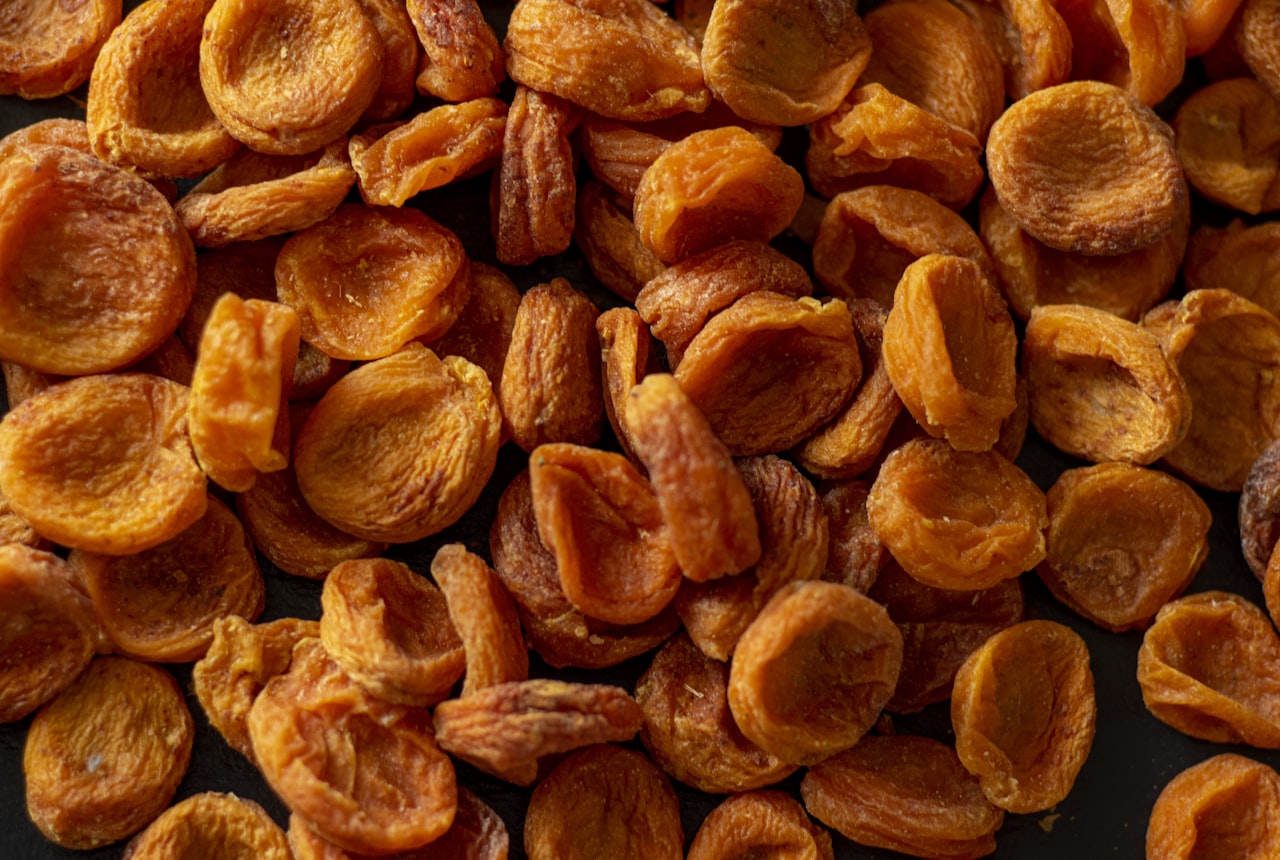
An assortment of dried fruit including apricots
Wine: ~100 mg/L. Dried apricots: 10× that.

Understanding Argentine Wine (FAQ)

What makes Argentine Malbec so unique?

Argentina's high-altitude vineyards, particularly in Mendoza's Uco Valley, receive intense sunlight and experience dramatic temperature shifts between day and night. This slows grape ripening, resulting in rich flavors, balanced acidity, and smooth tannins.

How should I plan a wine tour in Mendoza?

We recommend booking tastings at least 2-3 months in advance, especially for prestigious wineries. Focus on one sub-region per day (like Luján de Cuyo or Uco Valley) to minimize travel time and enjoy a relaxed pace.

What are the best food pairings for Torrontés?

Torrontés, Argentina's signature white wine, is highly aromatic with floral notes. It pairs beautifully with spicy Asian cuisine, fresh seafood, and traditional Argentine empanadas (especially those containing corn or cheese).