Step 2 of 5

Why Winemakers Use Them

Two jobs: stop oxidation, stop spoilage. When wine is exposed to oxygen, it slowly browns and loses fresh aromas — the same way an apple browns after cutting. Sulfites bind to oxygen molecules before they can damage the wine.

The second job is preventing bacterial spoilage. Without sulfites, wine is at risk of unwanted bacteria (like Acetobacter, which converts wine to vinegar) and unwanted yeasts (like Brettanomyces, which produces “barnyard” off-flavors). A small dose of sulfites keeps these microbes quiet.

The choice isn't binary. Most modern winemakers use enough sulfites to stabilize, not the maximum. Skilled winemakers might use 30 mg/L; less careful ones, 150 mg/L. EU legal limit is 200 mg/L for red, 250 for white. Most quality wines are well below.
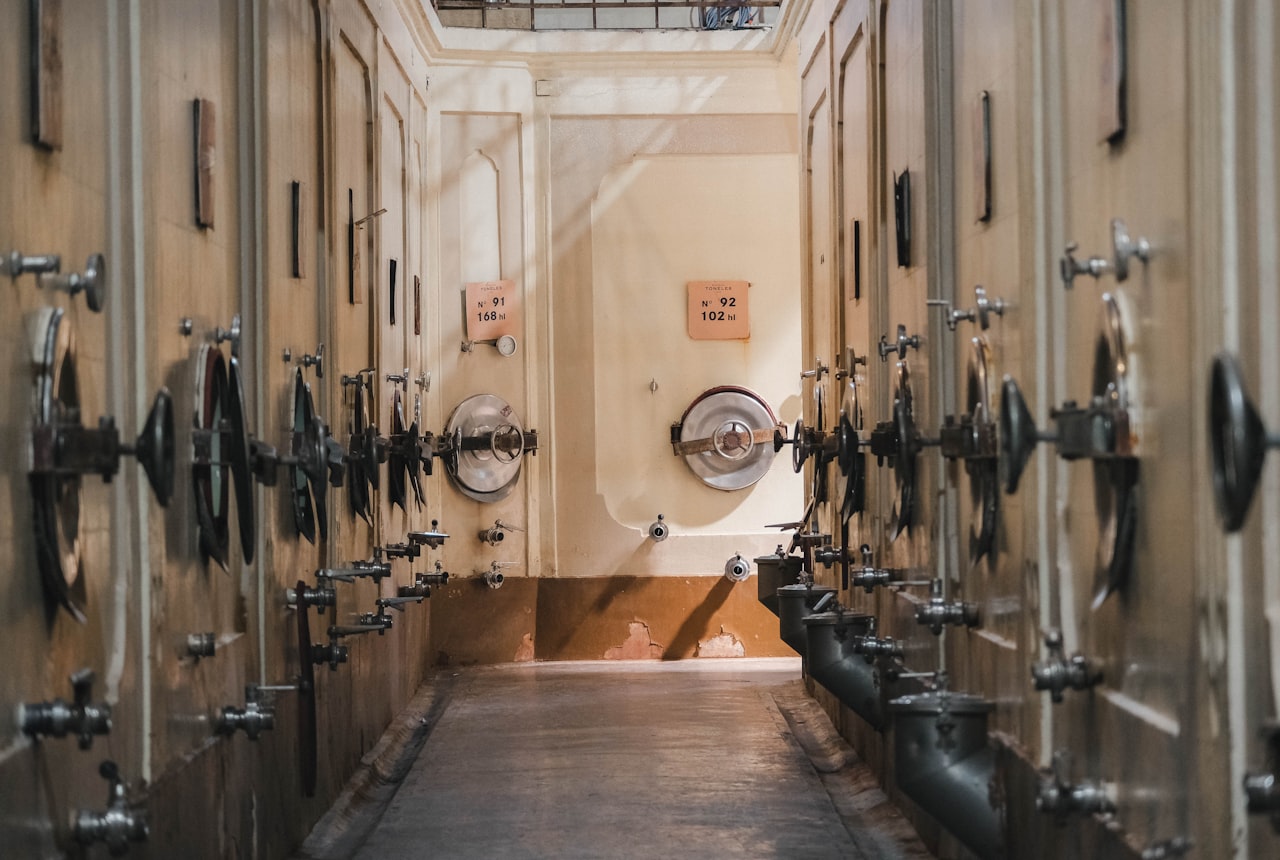
A winemaker checking a wine tank in a cellar
The winemaker's invisible bodyguard. Sulfites do their work and disappear.

Understanding Argentine Wine (FAQ)

What makes Argentine Malbec so unique?

Argentina's high-altitude vineyards, particularly in Mendoza's Uco Valley, receive intense sunlight and experience dramatic temperature shifts between day and night. This slows grape ripening, resulting in rich flavors, balanced acidity, and smooth tannins.

How should I plan a wine tour in Mendoza?

We recommend booking tastings at least 2-3 months in advance, especially for prestigious wineries. Focus on one sub-region per day (like Luján de Cuyo or Uco Valley) to minimize travel time and enjoy a relaxed pace.

What are the best food pairings for Torrontés?

Torrontés, Argentina's signature white wine, is highly aromatic with floral notes. It pairs beautifully with spicy Asian cuisine, fresh seafood, and traditional Argentine empanadas (especially those containing corn or cheese).