Step 4 of 5

Region — specificity = quality

Bigger to smaller = lower to higher. A wine labeled “Argentina” is bulk-blend territory. Mendoza narrows it. Uco Valley narrows it further. Gualtallary — a sub-region of the Uco Valley — narrows it again.

The more specific, the more legal restrictions were followed, the more the producer cared.

Argentine hierarchy: Province (Mendoza, Salta, La Rioja, etc.); Region/DOC (Luján de Cuyo and San Rafael are the only two DOC regions, plus Uco Valley); Sub-region/IG (Gualtallary, Paraje Altamira, Cafayate, Vista Flores).
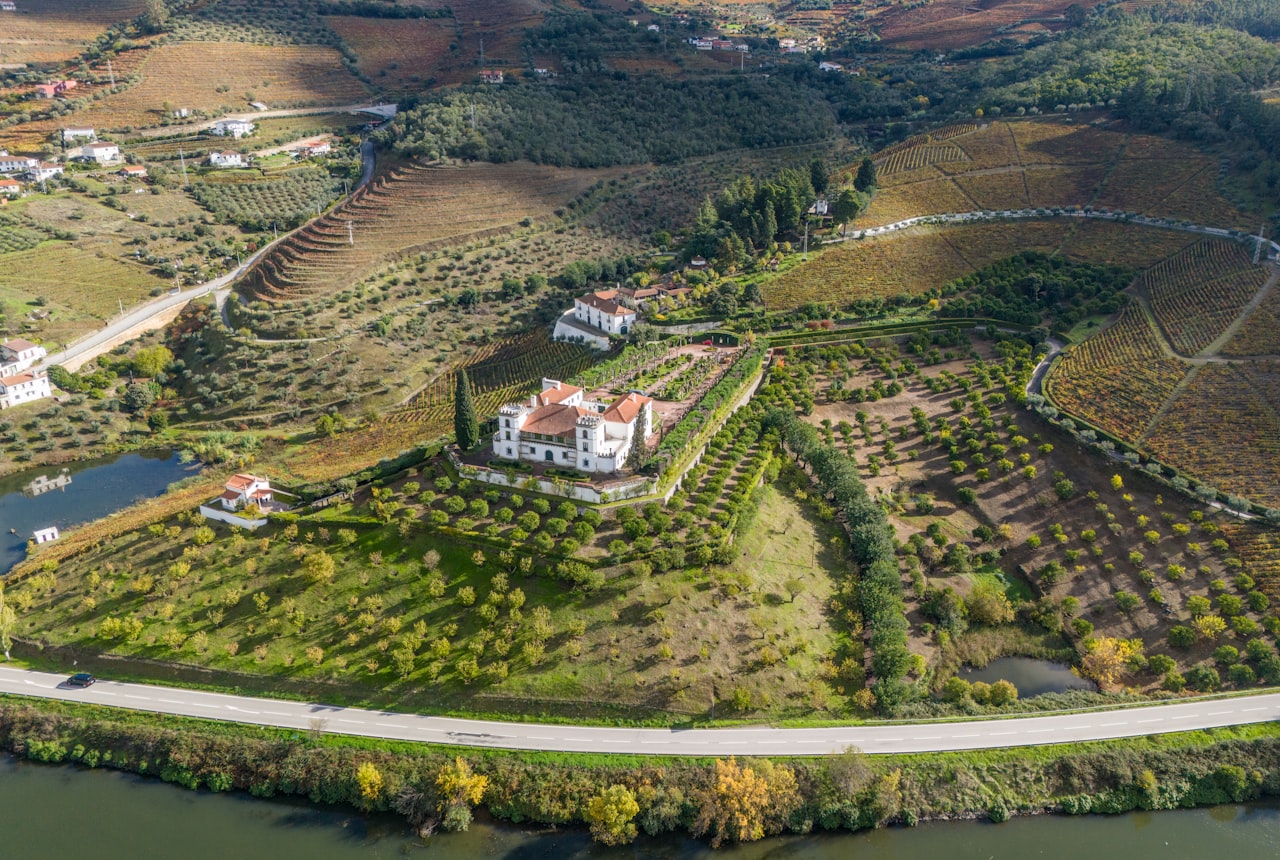
A map-style infographic of Mendoza's wine regions with Uco Valley highlighted, Gualtallary marked specifically
Argentina's specificity ladder. The higher you climb, the better the wine usually is.

Understanding Argentine Wine (FAQ)

What makes Argentine Malbec so unique?

Argentina's high-altitude vineyards, particularly in Mendoza's Uco Valley, receive intense sunlight and experience dramatic temperature shifts between day and night. This slows grape ripening, resulting in rich flavors, balanced acidity, and smooth tannins.

How should I plan a wine tour in Mendoza?

We recommend booking tastings at least 2-3 months in advance, especially for prestigious wineries. Focus on one sub-region per day (like Luján de Cuyo or Uco Valley) to minimize travel time and enjoy a relaxed pace.

What are the best food pairings for Torrontés?

Torrontés, Argentina's signature white wine, is highly aromatic with floral notes. It pairs beautifully with spicy Asian cuisine, fresh seafood, and traditional Argentine empanadas (especially those containing corn or cheese).