Step 5 of 5

Argentina's oak story

A 30-year journey, from chestnut tanks to French oak — and back toward less. Until the 1990s, most Argentine wine aged in old, neutral chestnut tanks that gave the wine nothing.

The pivot to new French oak — championed by Nicolás Catena in the late 1980s and '90s — is one of the technical reasons Argentine Malbec suddenly tasted world-class.

Today, the country's most modern producers are quietly moving the other direction — toward concrete, foudres, and amphora. They believe Argentine fruit is now expressive enough to stand on its own.
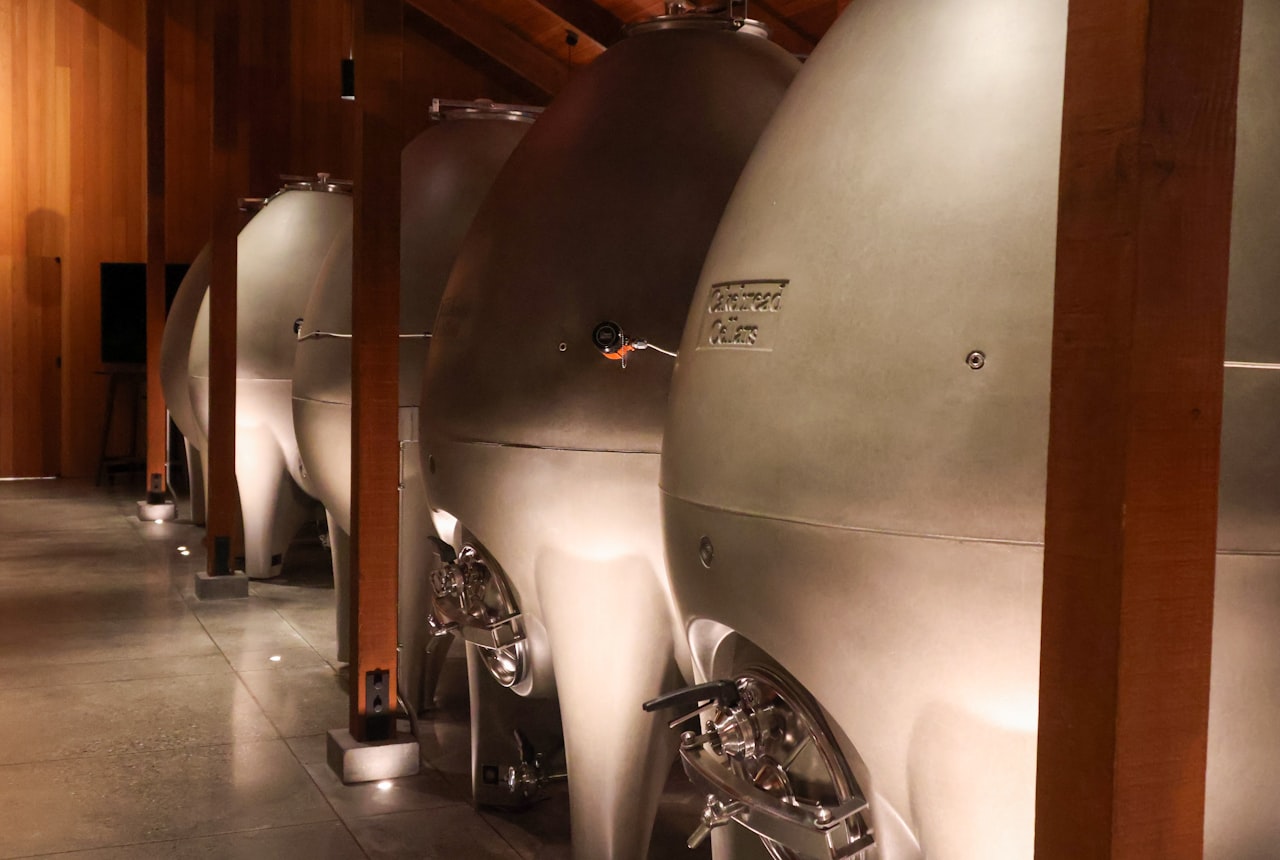
A row of modern concrete egg fermenters in a wooden-beamed Argentine winery
From chestnut to French oak to concrete. Argentina's 30-year evolution.

Understanding Argentine Wine (FAQ)

What makes Argentine Malbec so unique?

Argentina's high-altitude vineyards, particularly in Mendoza's Uco Valley, receive intense sunlight and experience dramatic temperature shifts between day and night. This slows grape ripening, resulting in rich flavors, balanced acidity, and smooth tannins.

How should I plan a wine tour in Mendoza?

We recommend booking tastings at least 2-3 months in advance, especially for prestigious wineries. Focus on one sub-region per day (like Luján de Cuyo or Uco Valley) to minimize travel time and enjoy a relaxed pace.

What are the best food pairings for Torrontés?

Torrontés, Argentina's signature white wine, is highly aromatic with floral notes. It pairs beautifully with spicy Asian cuisine, fresh seafood, and traditional Argentine empanadas (especially those containing corn or cheese).