Step 1 of 4

The Chemistry

Two acids, one transformation. Grape juice contains many acids, but two dominate: malic acid (the acid in green apples — sharp, biting) and tartaric acid (the acid in tamarinds — round, less aggressive). After yeast finishes its work, the malic acid remains in the wine, making it taste tart and unbalanced.

Then bacteria step in. They literally eat malic acid and excrete lactic acid — the same acid that gives yogurt its softness. Same number of acid molecules, but the new acid is gentler on the palate. The wine's pH rises slightly, the texture rounds out, and a subtle buttery note (diacetyl) develops.

This isn't optional in most wineries. The bacteria are already in the cellar, often in the wood itself. The winemaker just decides whether to let them work, suppress them with sulfur, or filter them out.
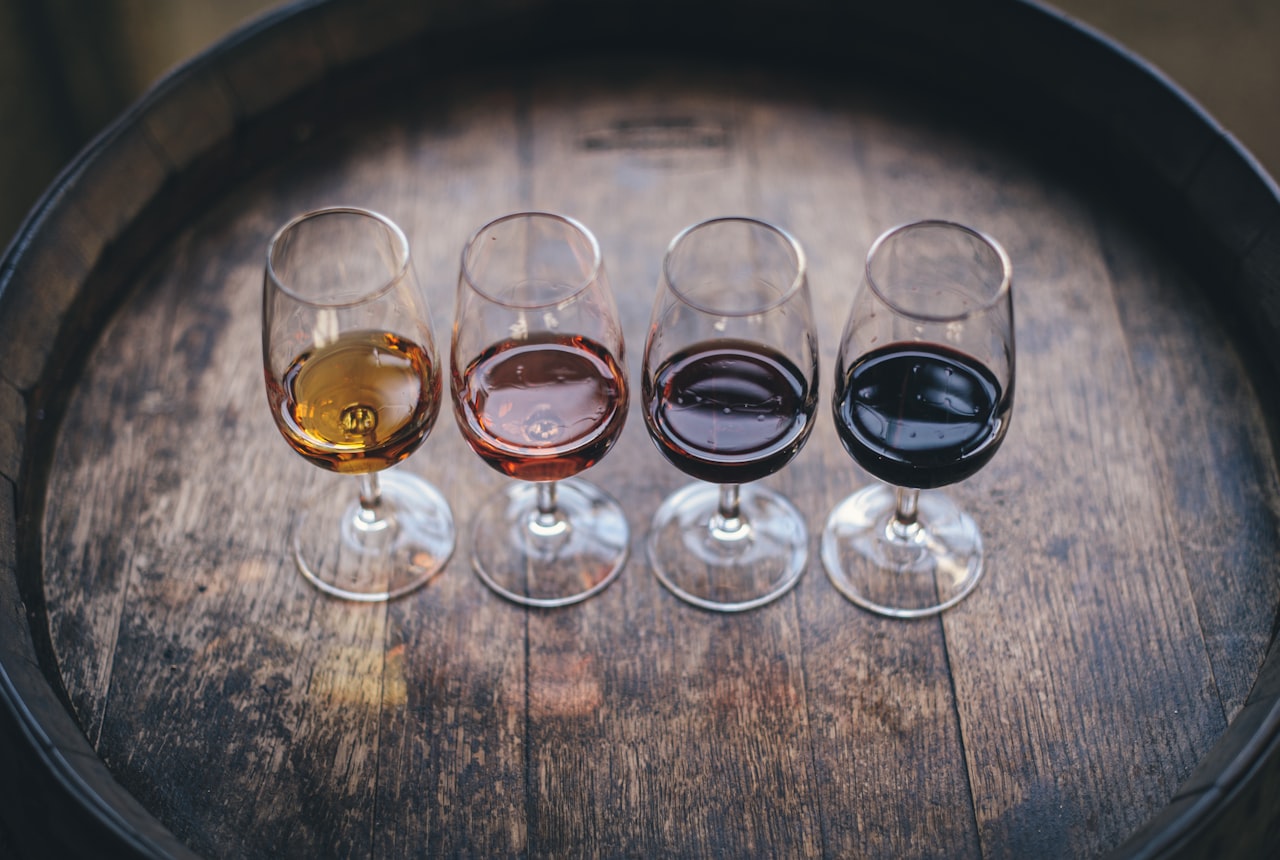
A wine laboratory with testing equipment and a glass of wine
Same molecules, different shape. The chemistry of softness.

Understanding Argentine Wine (FAQ)

What makes Argentine Malbec so unique?

Argentina's high-altitude vineyards, particularly in Mendoza's Uco Valley, receive intense sunlight and experience dramatic temperature shifts between day and night. This slows grape ripening, resulting in rich flavors, balanced acidity, and smooth tannins.

How should I plan a wine tour in Mendoza?

We recommend booking tastings at least 2-3 months in advance, especially for prestigious wineries. Focus on one sub-region per day (like Luján de Cuyo or Uco Valley) to minimize travel time and enjoy a relaxed pace.

What are the best food pairings for Torrontés?

Torrontés, Argentina's signature white wine, is highly aromatic with floral notes. It pairs beautifully with spicy Asian cuisine, fresh seafood, and traditional Argentine empanadas (especially those containing corn or cheese).