Step 4 of 4

The Argentine Choice

Almost every Argentine red goes through MLF. Malbec, Cabernet Sauvignon, Cabernet Franc, Bonarda — without MLF, they'd be sharply acidic and uncomfortable. The high-altitude fruit comes in with strong natural acidity, so softening it is essential.

For Argentine whites, the choice splits. Torrontés almost never goes through MLF — its identity is bright, aromatic, fresh. Chardonnay often does, especially Mendoza versions aged in oak. Some experimental producers are now skipping MLF on Chardonnay to make a leaner, more electric style.

The country's winemakers are also experimenting with partial MLF — letting it complete on 30–60% of the wine, then blending. The result: softness without losing freshness. A modern Argentine answer to an old chemistry question.
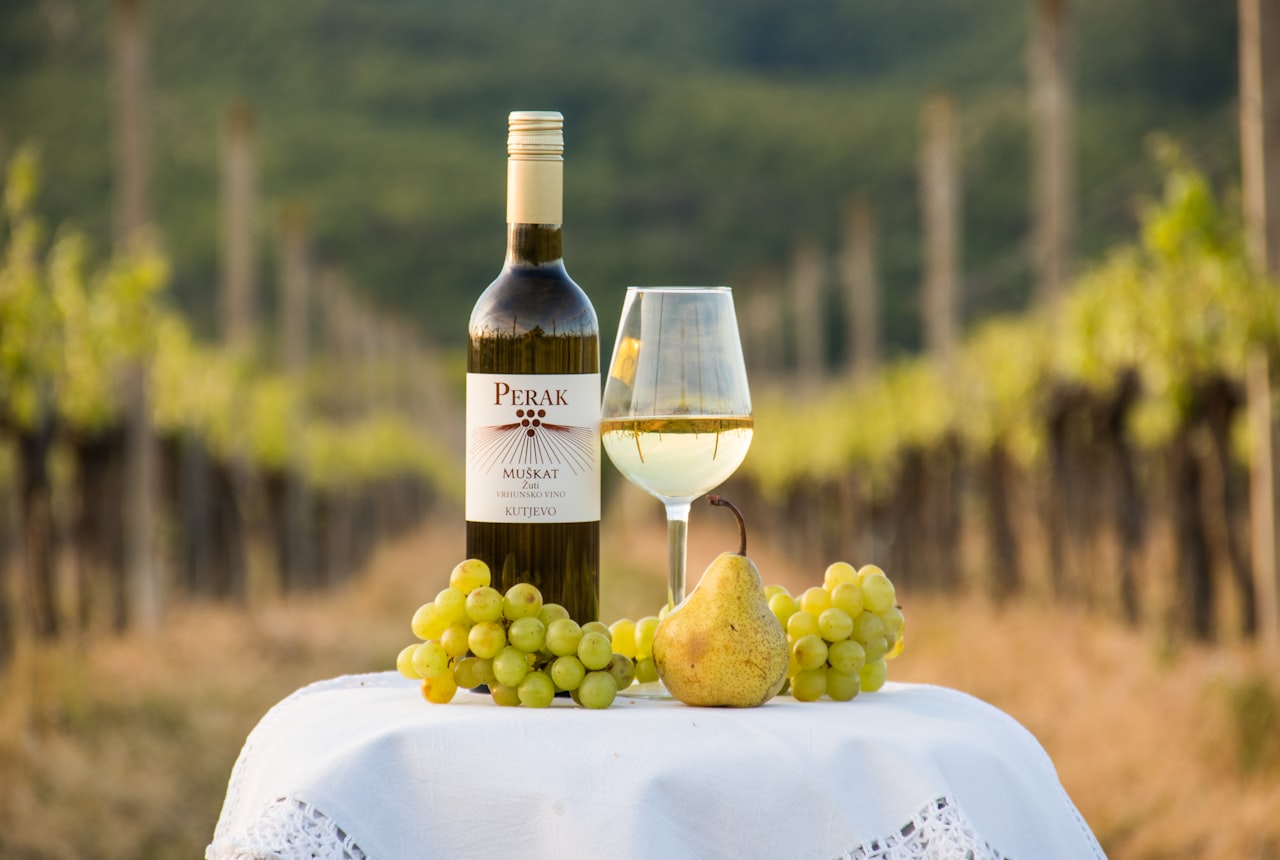
A glass of Argentine Chardonnay with vineyard behind
Mendoza Chardonnay — partial MLF is the modern standard.

Understanding Argentine Wine (FAQ)

What makes Argentine Malbec so unique?

Argentina's high-altitude vineyards, particularly in Mendoza's Uco Valley, receive intense sunlight and experience dramatic temperature shifts between day and night. This slows grape ripening, resulting in rich flavors, balanced acidity, and smooth tannins.

How should I plan a wine tour in Mendoza?

We recommend booking tastings at least 2-3 months in advance, especially for prestigious wineries. Focus on one sub-region per day (like Luján de Cuyo or Uco Valley) to minimize travel time and enjoy a relaxed pace.

What are the best food pairings for Torrontés?

Torrontés, Argentina's signature white wine, is highly aromatic with floral notes. It pairs beautifully with spicy Asian cuisine, fresh seafood, and traditional Argentine empanadas (especially those containing corn or cheese).