Step 1 of 4

Cold Soak

Before the yeast wakes up. Cold soak is a technique that's exploded in popularity over the last 30 years. The crushed grapes are kept cold — around 5–10°C — for several days before fermentation begins. Without yeast active, no alcohol forms. Just slow water-based extraction.

Cold extraction pulls out color and fruit aroma but very little tannin (because tannin extracts mostly in alcohol). The result is a wine with deeper color and brighter fruit character, without the harsh edges. It's why young Argentine Pinot Noir and lighter Malbec are so vibrant in glass.

The technique is energy-intensive — keeping a tank at 8°C in Mendoza's summer takes serious refrigeration. So cold soak tends to be a marker of serious winemaking.
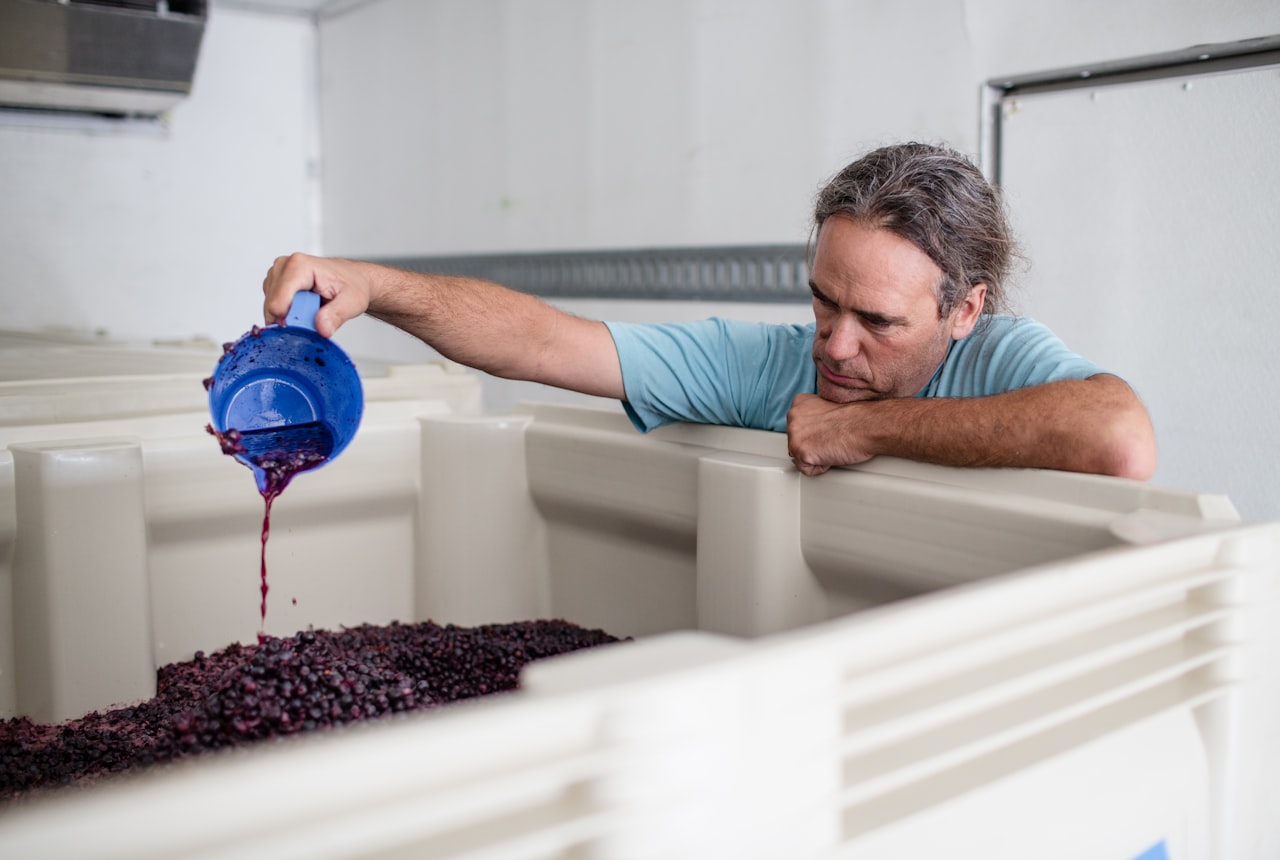
A red wine fermentation tank in a winery during cold soak
Cold soak. Color and aroma extract slowly, tannins stay behind.

Understanding Argentine Wine (FAQ)

What makes Argentine Malbec so unique?

Argentina's high-altitude vineyards, particularly in Mendoza's Uco Valley, receive intense sunlight and experience dramatic temperature shifts between day and night. This slows grape ripening, resulting in rich flavors, balanced acidity, and smooth tannins.

How should I plan a wine tour in Mendoza?

We recommend booking tastings at least 2-3 months in advance, especially for prestigious wineries. Focus on one sub-region per day (like Luján de Cuyo or Uco Valley) to minimize travel time and enjoy a relaxed pace.

What are the best food pairings for Torrontés?

Torrontés, Argentina's signature white wine, is highly aromatic with floral notes. It pairs beautifully with spicy Asian cuisine, fresh seafood, and traditional Argentine empanadas (especially those containing corn or cheese).