Step 2 of 4

Active Fermentation Extraction

The main event. Once yeast wakes up and starts converting sugar to alcohol, extraction shifts gear. Alcohol pulls out tannins much more aggressively than water. CO₂ rises through the wine, pushing the skins up to form a thick layer at the top — the “cap.”

The winemaker has to keep that cap wet with juice, or extraction stops. Two main techniques: punching down (pigeage) — physically pushing the cap down into the juice, several times a day, traditional and gentle; and pumping over (remontage) — pumping juice from the bottom of the tank up over the cap, faster and more aggressive.

Most Argentine winemakers do both during a single fermentation — gentle pump-overs early, gentle punch-downs later. The choice is everything: too aggressive and the wine becomes bitter; too gentle and it's thin.
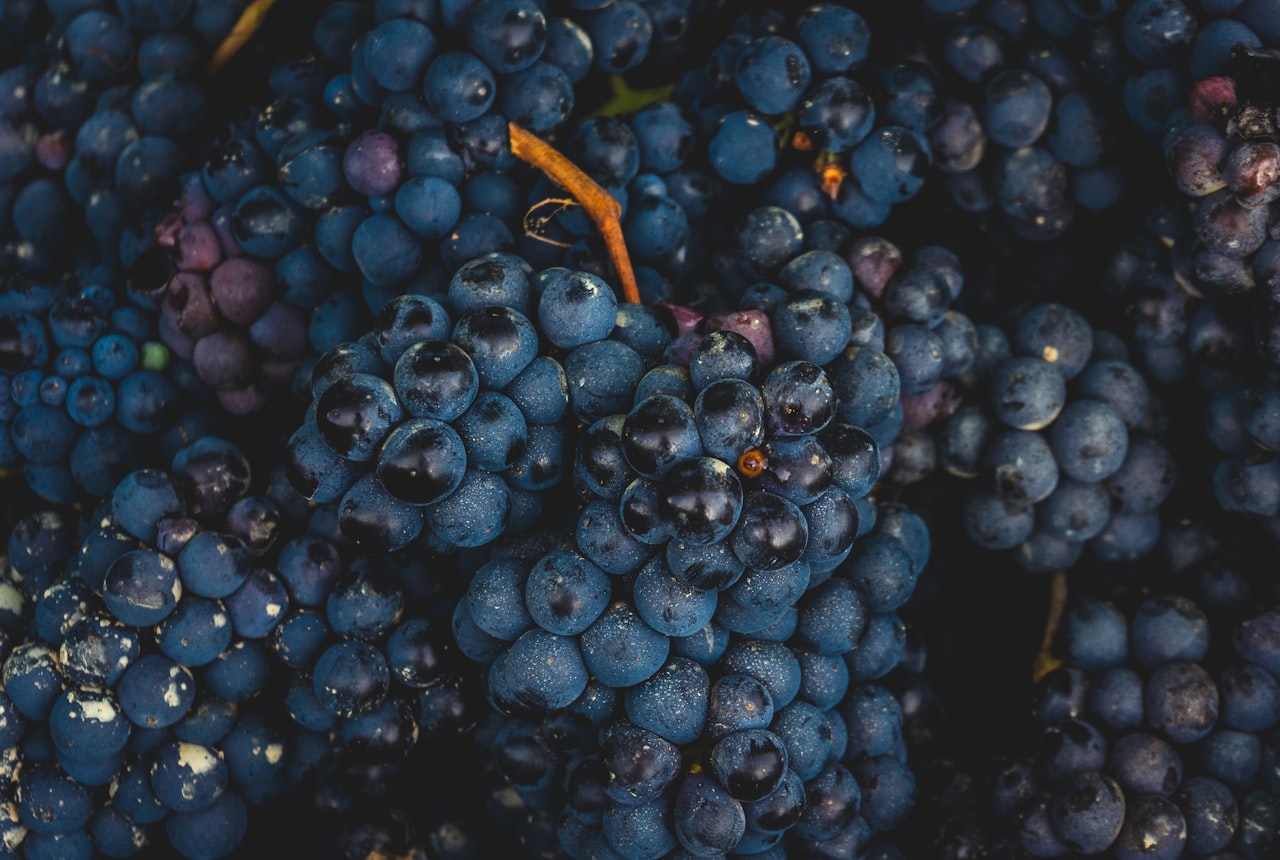
Red wine fermentation with a thick cap of grape skins on top
Pigeage. The oldest and most respectful way to extract.

Understanding Argentine Wine (FAQ)

What makes Argentine Malbec so unique?

Argentina's high-altitude vineyards, particularly in Mendoza's Uco Valley, receive intense sunlight and experience dramatic temperature shifts between day and night. This slows grape ripening, resulting in rich flavors, balanced acidity, and smooth tannins.

How should I plan a wine tour in Mendoza?

We recommend booking tastings at least 2-3 months in advance, especially for prestigious wineries. Focus on one sub-region per day (like Luján de Cuyo or Uco Valley) to minimize travel time and enjoy a relaxed pace.

What are the best food pairings for Torrontés?

Torrontés, Argentina's signature white wine, is highly aromatic with floral notes. It pairs beautifully with spicy Asian cuisine, fresh seafood, and traditional Argentine empanadas (especially those containing corn or cheese).