Step 1 of 5

Stainless Steel

The modern industry standard. Stainless steel tanks revolutionized winemaking in the 1970s. They're easy to clean, perfectly inert (no flavor exchange with the wine), and allow precise temperature control — critical for preserving the delicate aromatics of white wine.

A steel tank gives the winemaker total command. You can drop the temperature in a heartbeat if fermentation runs too hot. You can hold it at exactly 14°C for weeks. Nothing leaches into the wine; nothing leaches out. What goes in is what comes out, sharpened.

This is why almost every fresh white wine in the world — including most Argentine Torrontés, Chardonnay, and Sauvignon Blanc — ferments in steel. It's also the choice for unoaked reds and easy-drinking Malbec destined for early consumption.
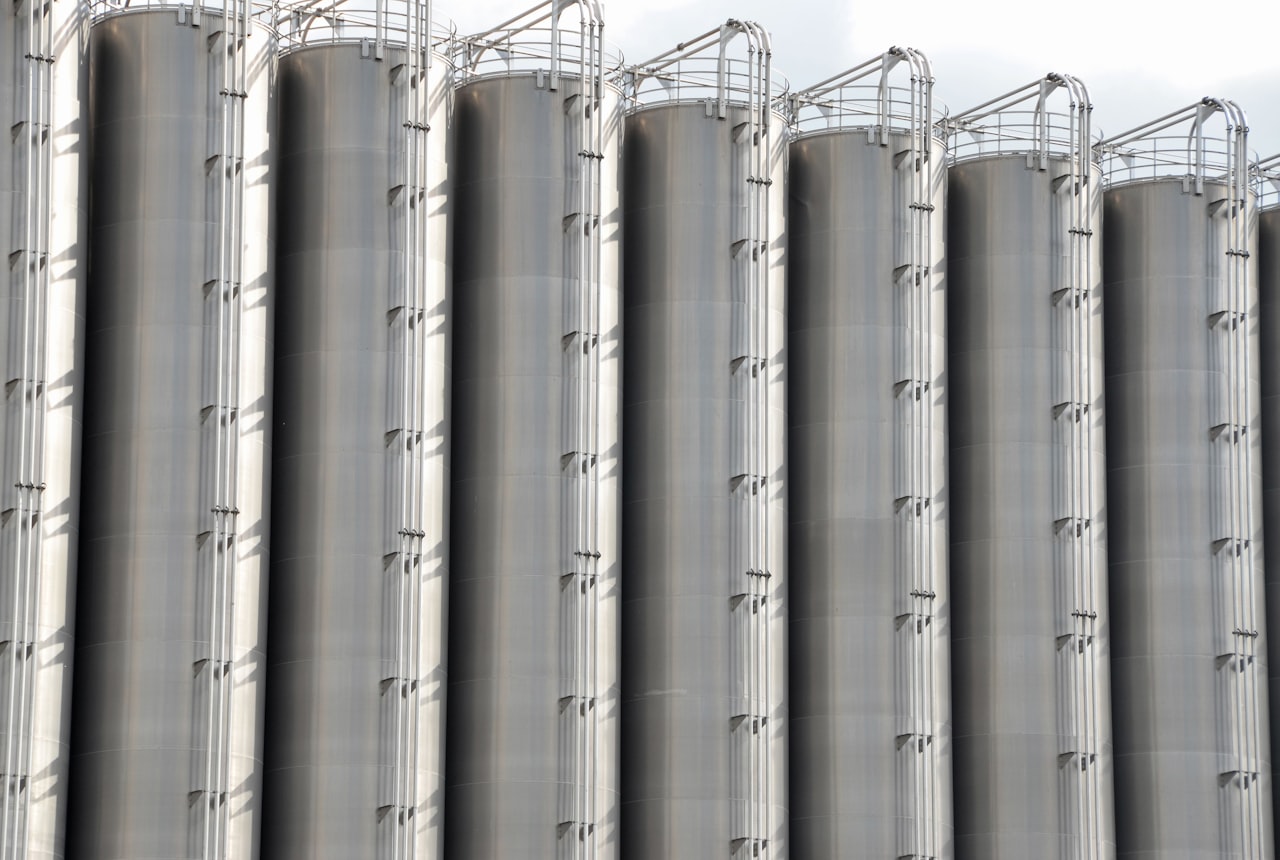
Rows of gleaming stainless steel fermentation tanks in a modern winery
Stainless steel — total control, zero flavor interference.

Understanding Argentine Wine (FAQ)

What makes Argentine Malbec so unique?

Argentina's high-altitude vineyards, particularly in Mendoza's Uco Valley, receive intense sunlight and experience dramatic temperature shifts between day and night. This slows grape ripening, resulting in rich flavors, balanced acidity, and smooth tannins.

How should I plan a wine tour in Mendoza?

We recommend booking tastings at least 2-3 months in advance, especially for prestigious wineries. Focus on one sub-region per day (like Luján de Cuyo or Uco Valley) to minimize travel time and enjoy a relaxed pace.

What are the best food pairings for Torrontés?

Torrontés, Argentina's signature white wine, is highly aromatic with floral notes. It pairs beautifully with spicy Asian cuisine, fresh seafood, and traditional Argentine empanadas (especially those containing corn or cheese).