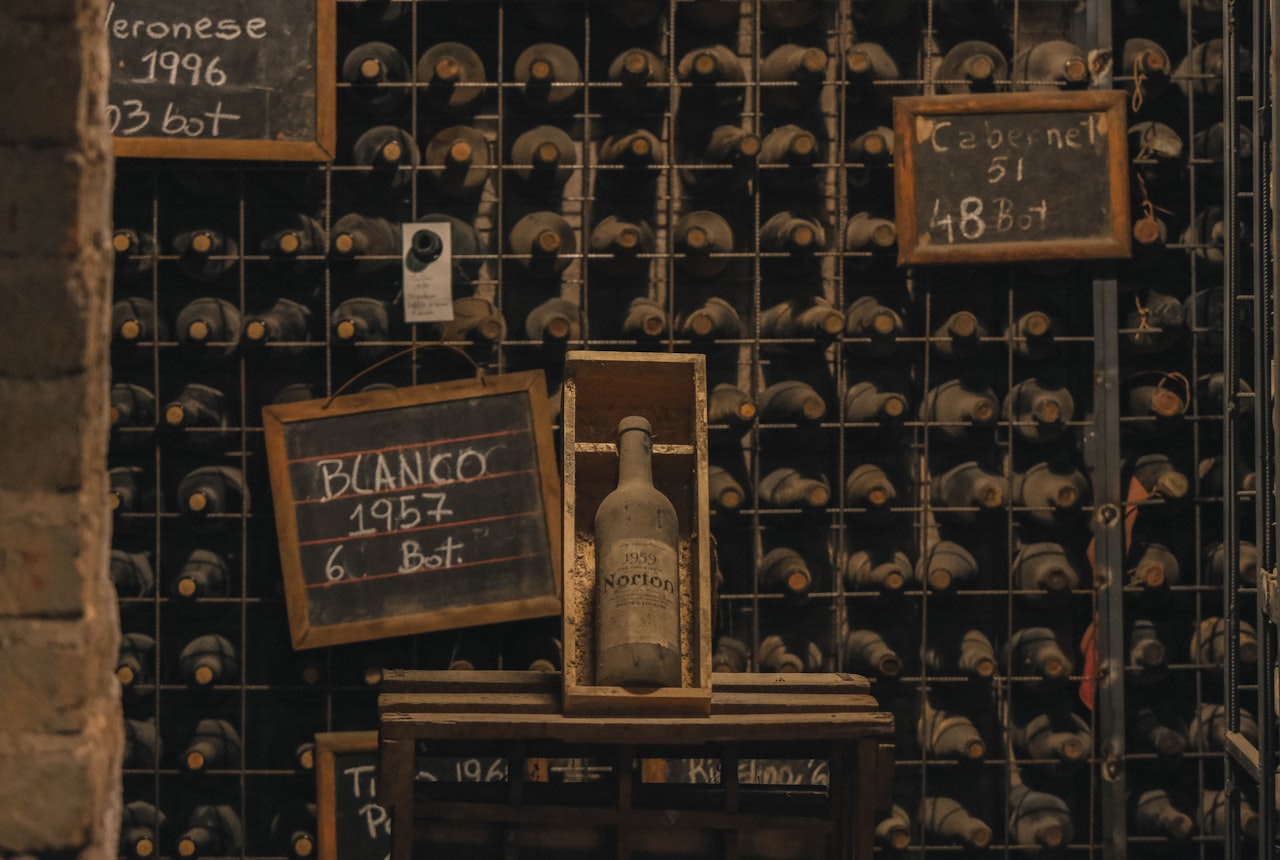
Bottle color — another signal
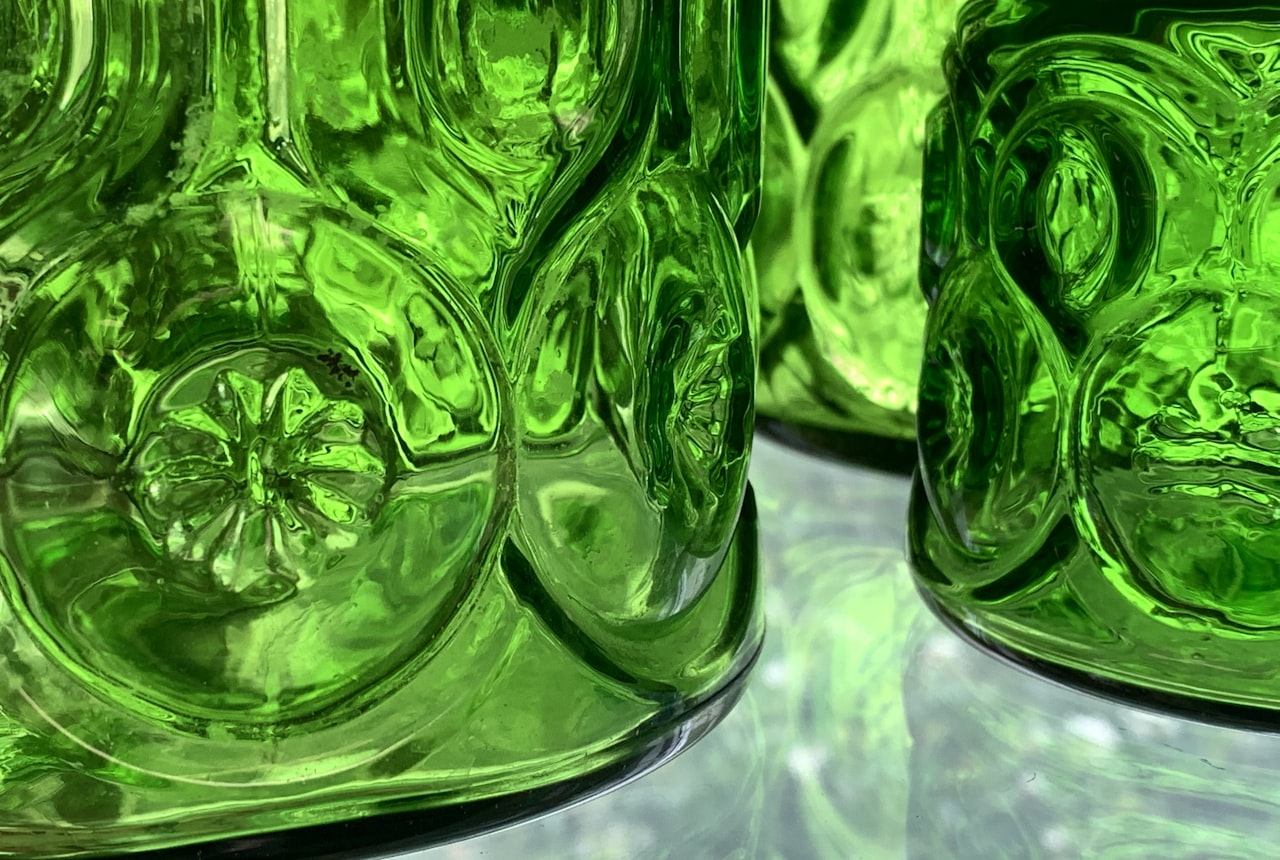
Dark glass blocks the wine's enemy. Color isn't just style. Dark green or amber glass blocks UV light, which damages wine over time by breaking down aromatic compounds and accelerating aging. Light-skinned grapes (Sauvignon Blanc, Pinot Grigio) are most vulnerable.
Dark green — most reds, premium whites meant to age. Brown / amber — Rhine Rieslings, strong UV protection. Light green / olive — Mosel Rieslings, Chablis. Clear (flint) glass — rosés, light whites for early drinking.
A premium wine in clear glass needs extra protection from light.
What you'll find on Argentine shelves
Malbec, Cab Sauv, Tannat, Petit Verdot, Bordeaux blends → Bordeaux bottle, dark green. Bonarda → usually Bordeaux; occasionally Burgundy for more rustic styles.
Pinot Noir (mostly Patagonia) → Burgundy bottle. Syrah → often Burgundy, following the Northern Rhône tradition. Chardonnay → Burgundy bottle, dark green.
Torrontés → most often Bordeaux-shaped in clear or light glass; increasingly Hock-shaped. Sparkling → always Champagne shape, dark green, thick glass.