Chapter 3 of 4

Torrontés country

If Mendoza belongs to Malbec, Salta belongs to Torrontés. Torrontés Riojano is a genuinely Argentine grape, and it reaches its finest expression around Cafayate — where, fittingly, Argentina's oldest recorded living vine is a Torrontés planted back in 1862.

It is a wine that fools people. The nose is extravagant — jasmine, orange blossom, white peach, rose — so floral that you brace for something sweet. Then the palate arrives dry, fresh, and faintly bitter on the finish, like good grapefruit pith. Served cold on a hot Cafayate afternoon, it is very hard to beat, and it loves the local table: empanadas salteñas, goat cheese, anything with a whisper of chilli.
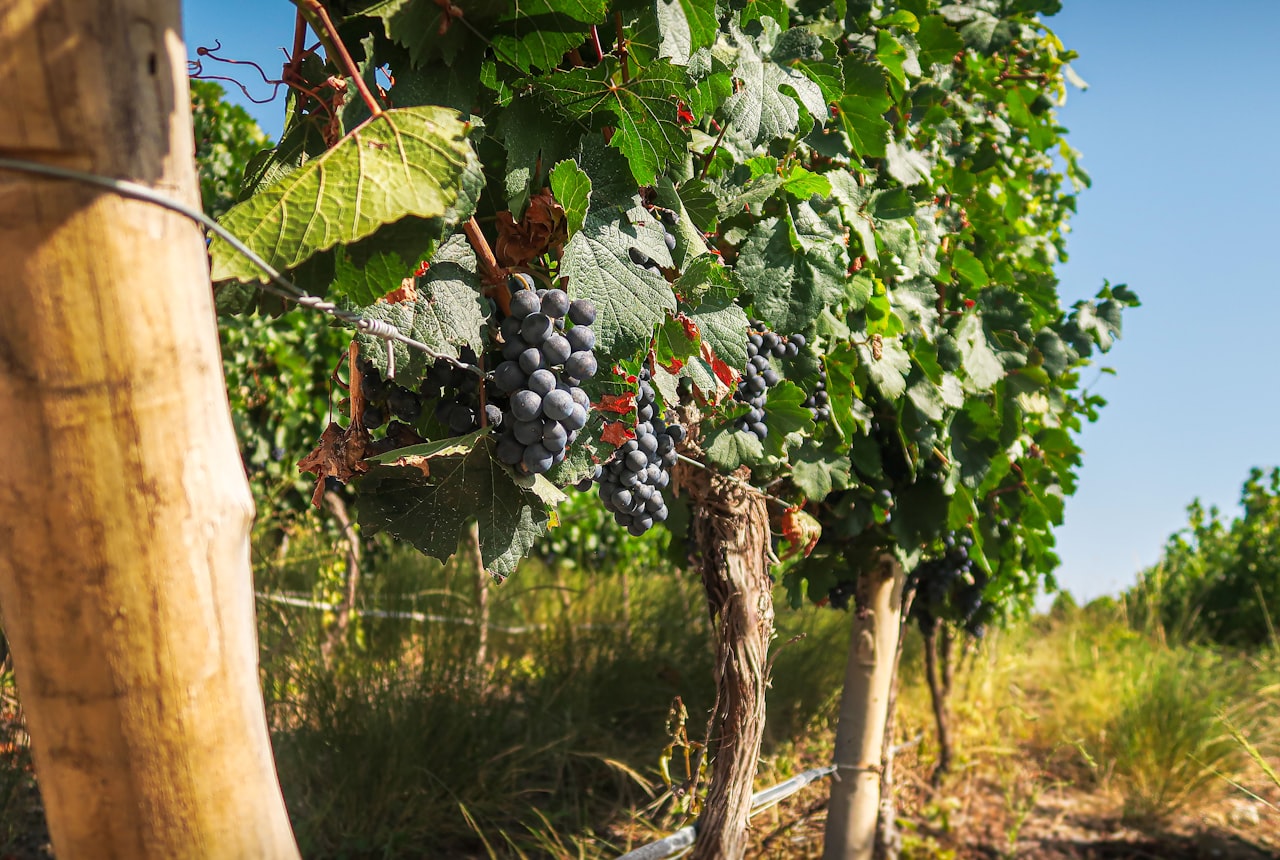
Torrontés country
Up next, Chapter 4 of 4 Malbec, but not as you know it Salta is not only whites. Read Chapter 4: Visiting Salta →

Understanding Argentine Wine (FAQ)

What makes Argentine Malbec so unique?

Argentina's high-altitude vineyards, particularly in Mendoza's Uco Valley, receive intense sunlight and experience dramatic temperature shifts between day and night. This slows grape ripening, resulting in rich flavors, balanced acidity, and smooth tannins.

How should I plan a wine tour in Mendoza?

We recommend booking tastings at least 2-3 months in advance, especially for prestigious wineries. Focus on one sub-region per day (like Luján de Cuyo or Uco Valley) to minimize travel time and enjoy a relaxed pace.

What are the best food pairings for Torrontés?

Torrontés, Argentina's signature white wine, is highly aromatic with floral notes. It pairs beautifully with spicy Asian cuisine, fresh seafood, and traditional Argentine empanadas (especially those containing corn or cheese).