Chapter 3 of 3

Regional variations

  • Light, delicate reds. A cool-climate Patagonian Pinot Noir would simply be flattened by the stew. Save it for roast chicken or duck.
  • Crisp aromatic whites. Torrontés and Sauvignon Blanc are wonderful elsewhere, but here the dish is so deep, so smoky and so savory that white wine just doesn't have the weight to match it.
  • High-alcohol “fruit bomb” reds. Anything over 15% alcohol will fight the rich, salty broth and tire your palate halfway through the bowl.
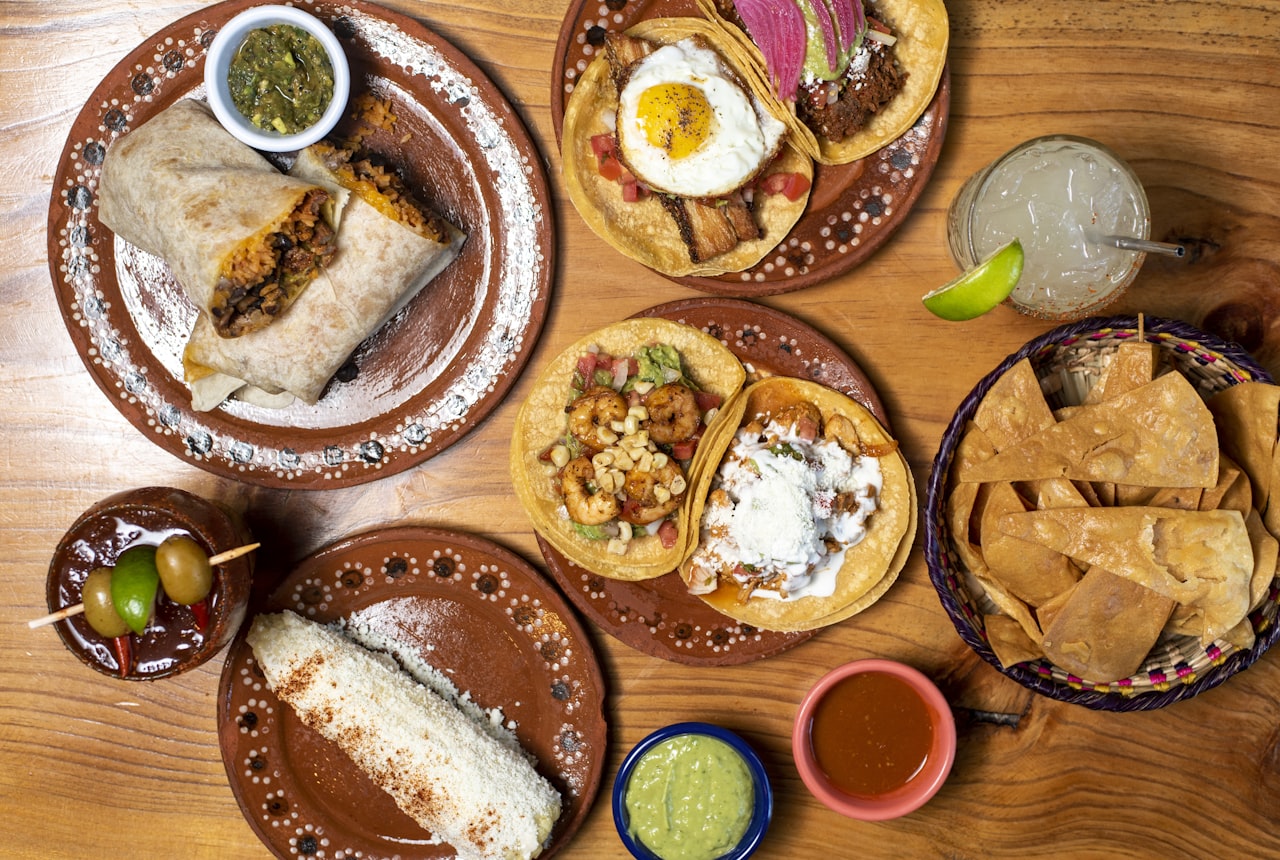
Regional variations

Understanding Argentine Wine (FAQ)

What makes Argentine Malbec so unique?

Argentina's high-altitude vineyards, particularly in Mendoza's Uco Valley, receive intense sunlight and experience dramatic temperature shifts between day and night. This slows grape ripening, resulting in rich flavors, balanced acidity, and smooth tannins.

How should I plan a wine tour in Mendoza?

We recommend booking tastings at least 2-3 months in advance, especially for prestigious wineries. Focus on one sub-region per day (like Luján de Cuyo or Uco Valley) to minimize travel time and enjoy a relaxed pace.

What are the best food pairings for Torrontés?

Torrontés, Argentina's signature white wine, is highly aromatic with floral notes. It pairs beautifully with spicy Asian cuisine, fresh seafood, and traditional Argentine empanadas (especially those containing corn or cheese).