Temperature swings
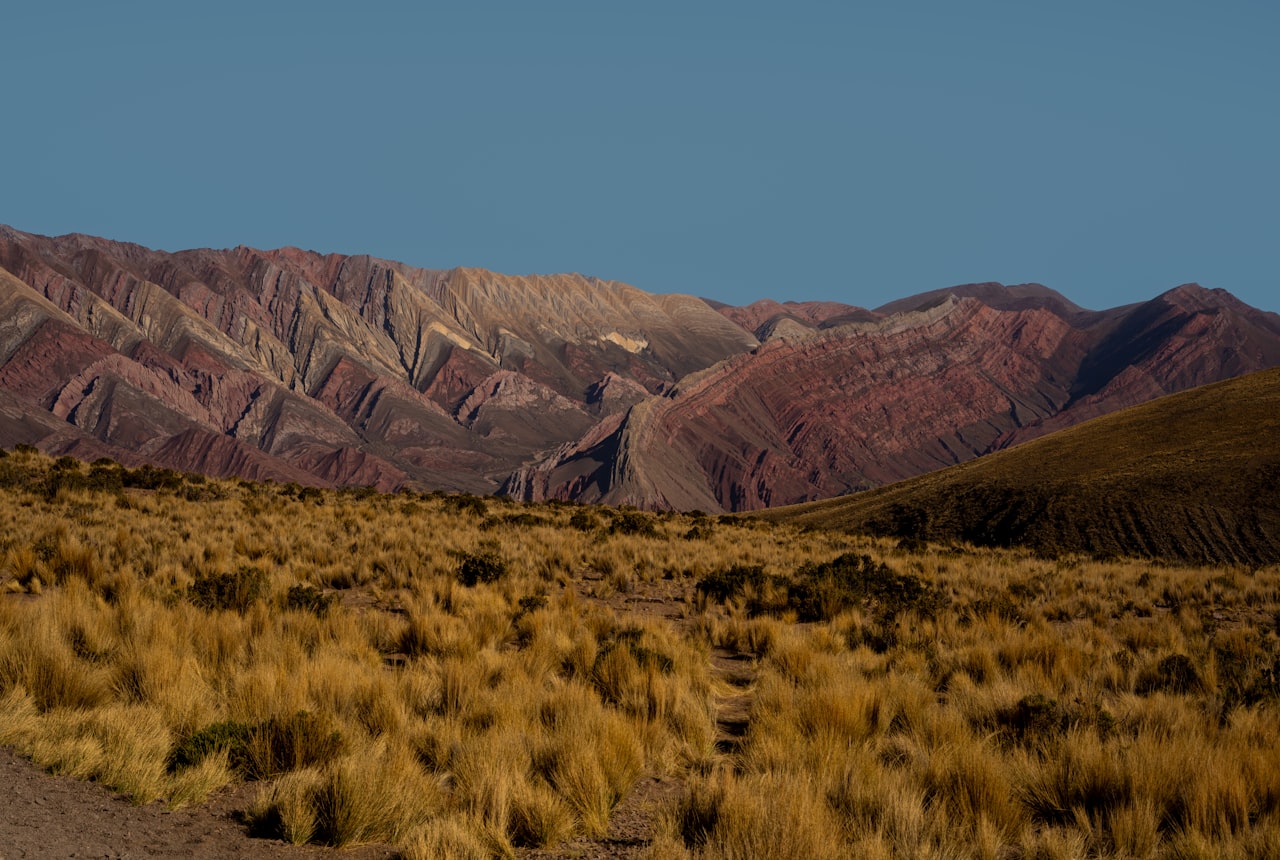
The brilliant thing about altitude is that it works as a substitute for latitude. Cool-climate grapes need cool conditions. Most of Argentina is too warm — except up high, where the temperature drops by roughly one degree Celsius for every hundred meters of elevation. So instead of moving south to find coolness, Argentine winemakers move up. The country's whole wine map is really a map of altitude.
That's why each grape we cover on this site has a precise mountain home:
- Malbec thrives in classic Mendoza at 800–1,100 m and turns deep and floral in the Uco Valley higher still.
- Cabernet Franc finds its electric, mineral edge in the stony heights of Gualtallary, around 1,400–1,500 m.
- Chardonnay — the country's white-wine revolution — works precisely because the cold, limestone-streaked Uco Valley mimics Burgundy.
- Pinot Noir, the heartbreak grape, only behaves in Argentina when grown either far south in Patagonia or very high in the Uco.
- Torrontés is the loudest example of all: the higher Cafayate's vineyards climb, the more its floral aromatics amplify and the fresher it stays.
There is even a darker side worth noting. Extreme altitude brings real risks: spring frost can wipe out a vintage, hail can shred a vineyard in minutes (which is why netting is everywhere in Mendoza), and the growing season can simply run out of warmth before the grapes ripen. The growers chasing the highest peaks are betting against the weather every year.