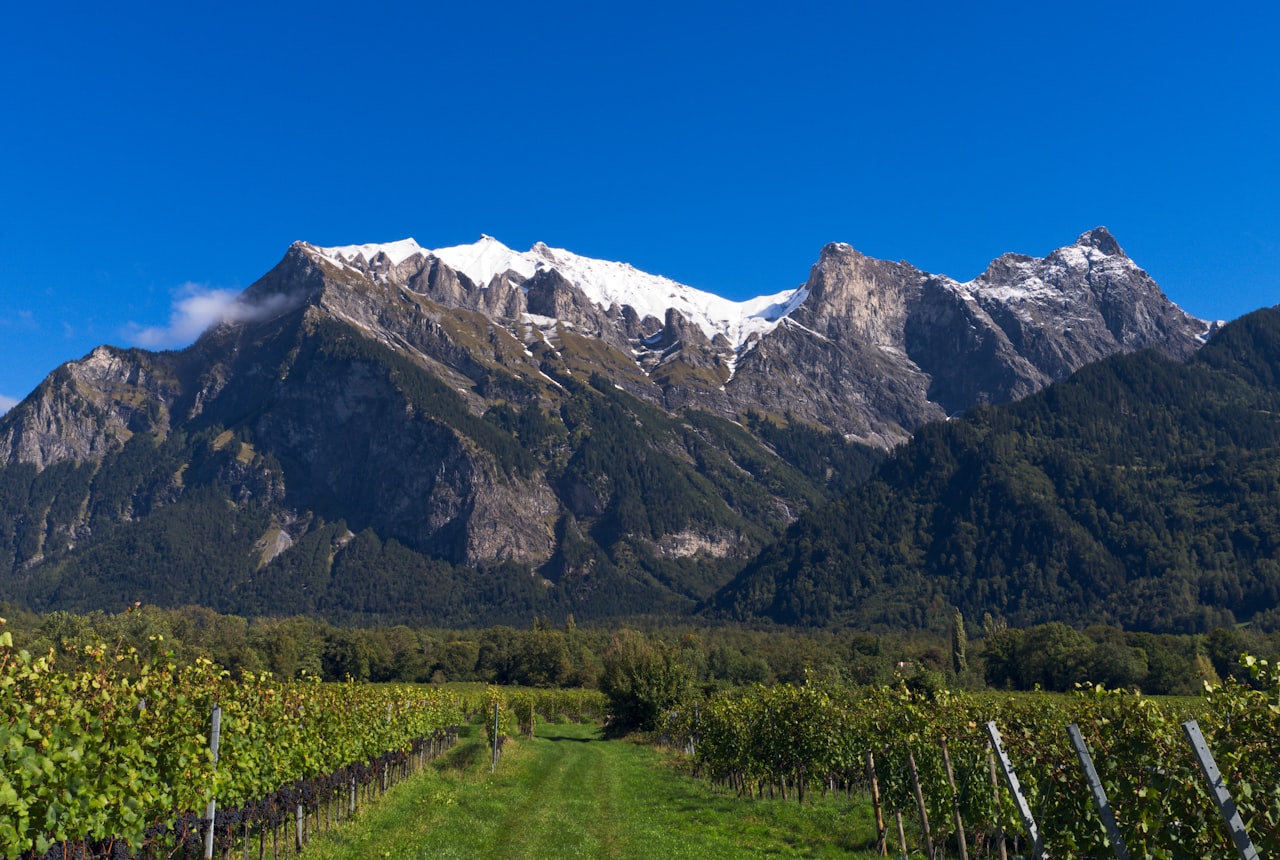
Why it's unique
There are four things happening up there at once, and they combine into something close to a magic recipe.
1. Intense sunlight ripens the fruit. Closer to the sun, with thinner, drier air and very little cloud, ultraviolet light is far stronger. The grapes' skins thicken in response — and thick skins are where color, tannin and aromatic compounds live. That's why high-altitude wines tend to be deeply colored, structured and intensely flavored, with a “phenolic ripeness” that low vineyards struggle to match.
2. Cold nights preserve acidity. Even when the sun ripens fruit to sweetness during the day, the moment it sets the temperature plunges. The wines keep the bright, fresh acidity that makes them feel alive on the palate rather than heavy and flabby. This is the famous “diurnal range” — and in Argentina's high vineyards it can be 20° to 25°C between noon and dawn.
3. A slow, long growing season. The day–night swing also slows the entire ripening cycle down, giving the grapes weeks of extra hang-time. Tannins refine. Aromas develop layers. The wine gains complexity that fast-ripened lowland fruit can't deliver.
4. Poor soils, dry air, low pressure. High mountain vineyards usually sit on infertile, stony, free-draining soils — bad for most crops, perfect for fine wine. The vines have to work hard, yields drop, and the resulting berries are smaller, with a better skin-to-pulp ratio. The thin air also means almost no pests and diseases, which is one of the reasons many Argentine vines still grow on their own pre-phylloxera roots.
Put those four ingredients together and you get the Argentine signature: deep, generous fruit and freshness and lift — power without weight. Critics now talk about a distinctive “mountain freshness” you can recognize across the country's best wines.