Chapter 4 of 4

Try these

Expect a pale, bright wine that smells alive: grapefruit and lime, green apple and fresh-cut grass, with herbal notes — think Thai basil, green pepper — and, from riper sites, a lift of tropical fruit like passionfruit, mango or starfruit. On the palate it is zippy and high in acidity, light-bodied, clean and dry, usually unoaked, finishing crisp and mouthwatering. The best high-altitude examples add that mineral, almost chalky tension. It is, in short, the most refreshing white Argentina makes.

You will also meet it in blends — Argentine winemakers love to fold a little Sauvignon Blanc into Chardonnay or other whites to add zip and aromatic lift, a common and delicious move in the Uco Valley.
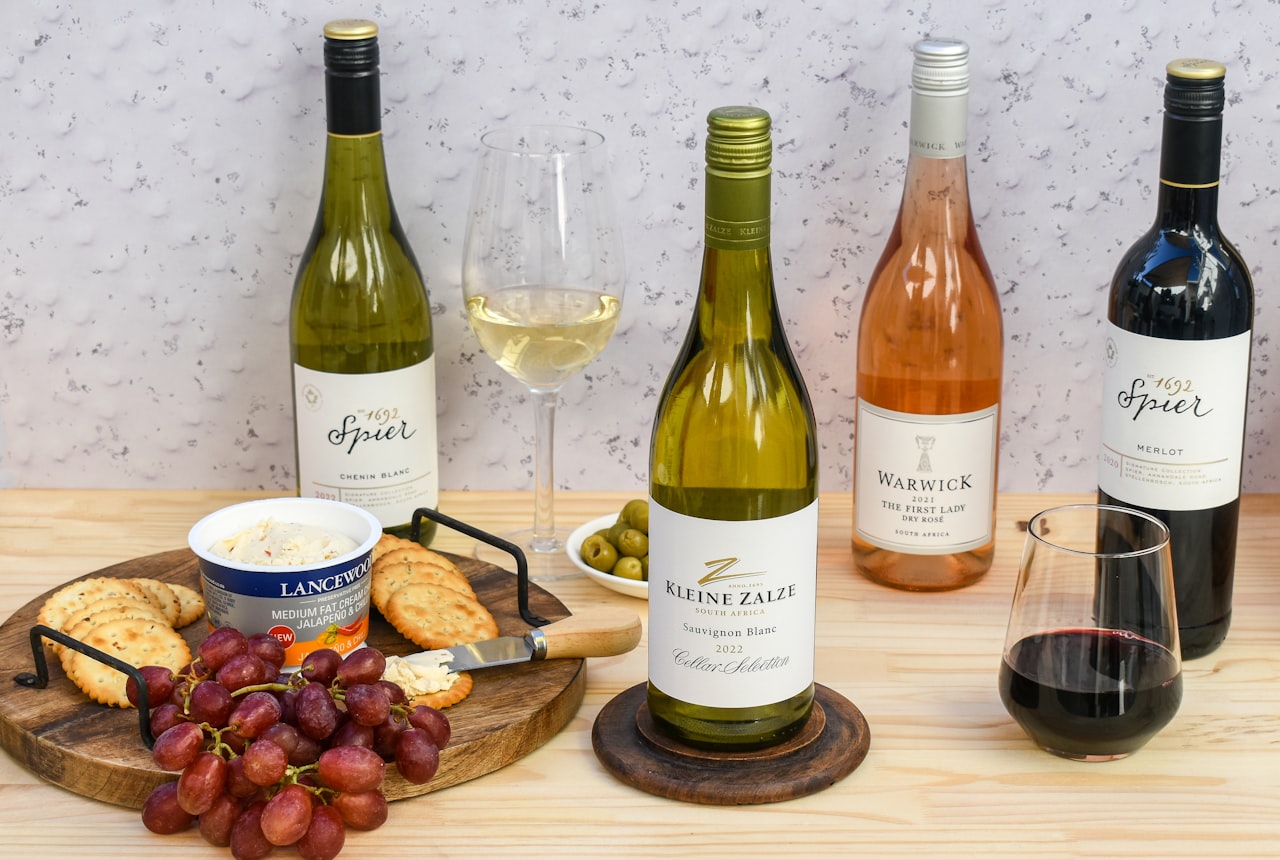
Try these

Understanding Argentine Wine (FAQ)

What makes Argentine Malbec so unique?

Argentina's high-altitude vineyards, particularly in Mendoza's Uco Valley, receive intense sunlight and experience dramatic temperature shifts between day and night. This slows grape ripening, resulting in rich flavors, balanced acidity, and smooth tannins.

How should I plan a wine tour in Mendoza?

We recommend booking tastings at least 2-3 months in advance, especially for prestigious wineries. Focus on one sub-region per day (like Luján de Cuyo or Uco Valley) to minimize travel time and enjoy a relaxed pace.

What are the best food pairings for Torrontés?

Torrontés, Argentina's signature white wine, is highly aromatic with floral notes. It pairs beautifully with spicy Asian cuisine, fresh seafood, and traditional Argentine empanadas (especially those containing corn or cheese).