Argentines Are Drinking Less Wine Than Ever — Why That's Quietly Reshaping Malbec for the World
Argentina's wine industry is living through its hardest stretch in more than fifteen years. Domestic consumption has fallen to an all-time low of about 15.7 litres per person in 2025 — down from roughly 90 litres a few decades ago — and more than 1,100 vineyards have already closed. Yet beneath the grim headlines, the crisis is quietly nudging Malbec toward something the rest of the world should welcome: higher quality.
The numbers are sobering. For generations, wine was a daily table staple in Argentine homes, poured young and cheap by the litre. That habit has collapsed. Younger Argentines drink beer, spirits, and increasingly nothing at all on a weeknight, while inflation has squeezed budgets and changed how families spend. The bulk-wine business that propped up much of Mendoza for a century is shrinking fast.
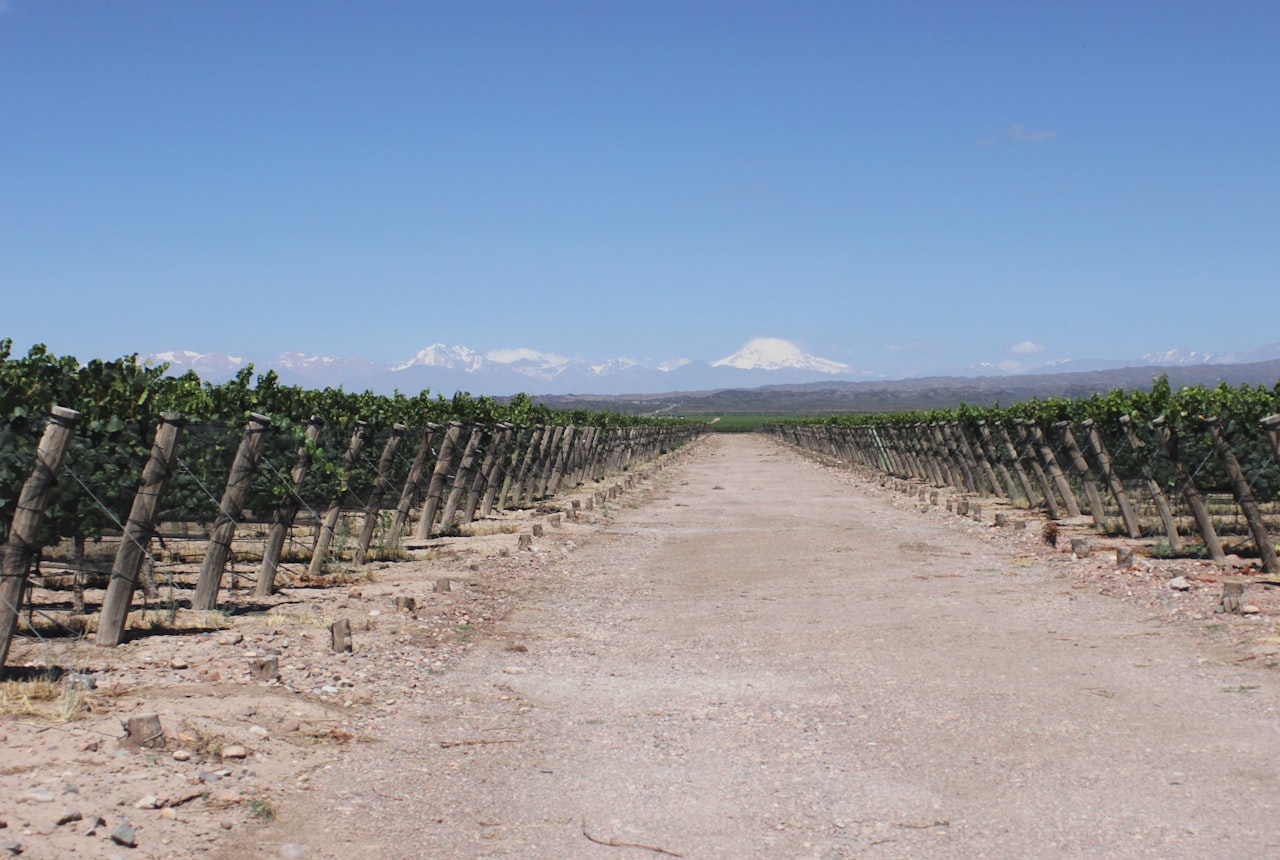
But Argentina is still overwhelmingly a red-wine country — red grapes make up close to 59% of output, and Malbec leads them all by a wide margin, producing well over twice the volume of the next variety, Bonarda. Mendoza alone accounts for roughly 71% of national production. When the domestic market for cheap wine evaporates, that capacity does not simply disappear. It looks for a new home.
That home is export — and increasingly, premium export. The main markets for Argentine wine are now the United States, Brazil, the United Kingdom and Canada, where buyers are not looking for a litre of everyday red but for a distinctive, well-made bottle with a story. Faced with a shrinking home market, many producers are doing the only thing that makes sense: pulling up low-yield bulk vineyards, focusing on higher-altitude sites, and bottling fewer, better wines aimed squarely at drinkers abroad.
For wine lovers outside Argentina, the paradox is real: a domestic collapse is helping concentrate the country's energy on exactly the high-altitude terroir and single-vineyard Malbec that earns medals and shelf space overseas. The bottle of Argentine Malbec you buy in 2026 is, on average, more carefully made and more clearly defined than the cheap exports of fifteen years ago. You can discover the estates leading this quality revolution in our guide to Mendoza's best wineries.
None of this erases the human cost at home — closed vineyards mean lost livelihoods, and an industry this size cannot pivot overnight. But for a category that built its global reputation on value, the shift from quantity to quality may be the most important thing to happen to Argentine wine in a generation.
Curious what makes Argentine Malbec distinctive? See it next to French Malbec →