Un terroir único
Where the vineyards meet the ocean
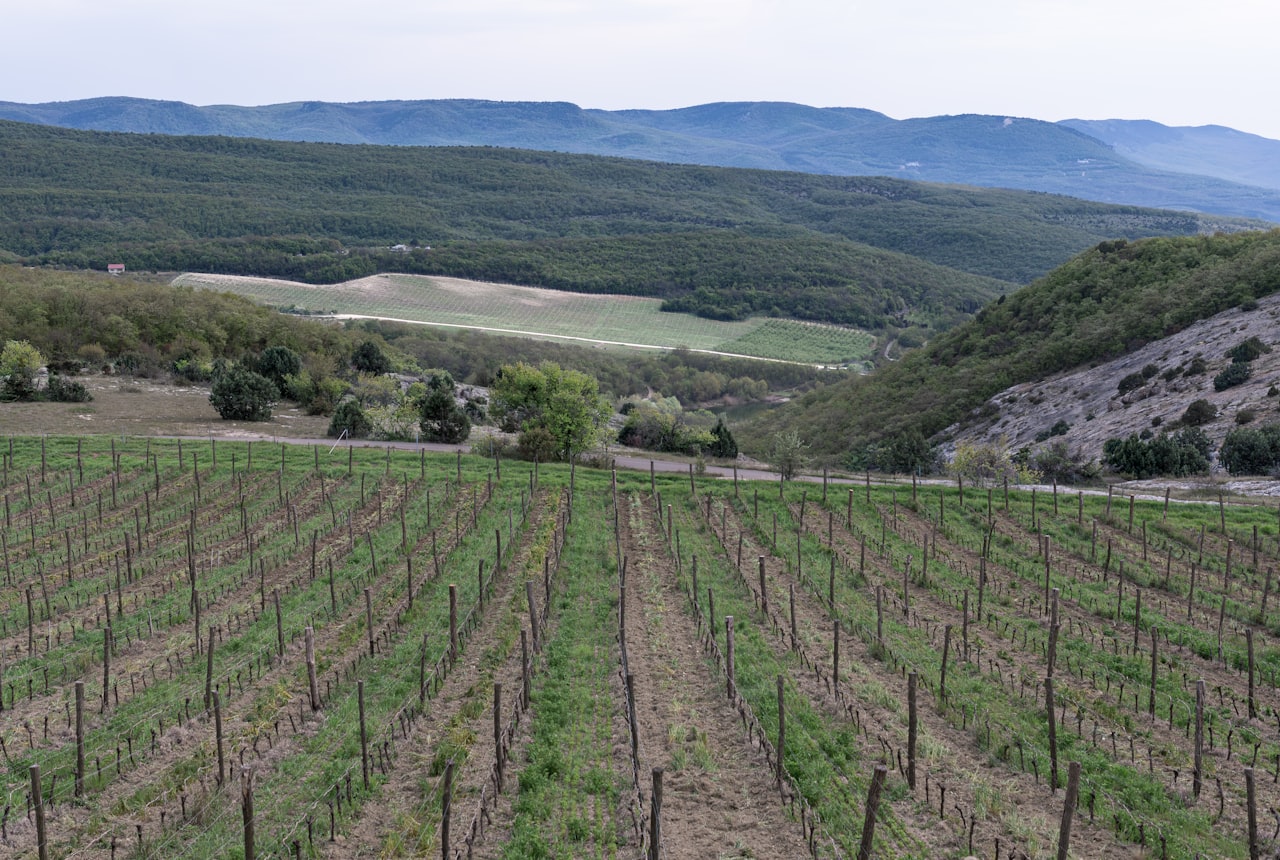
When Argentines say “the Coast” (la Costa), they mean the chain of Atlantic beach resorts along Buenos Aires province — Mar del Plata above all. It is where the country goes on summer holiday, not where it expects to find vines. Yet here, on gentle hills a handful of kilometres from the surf, a new maritime wine region is taking shape.
The epicentre is Chapadmalal, just south of Mar del Plata and about five to six hours' drive from the capital — the easternmost point of viticulture in the country. There are other coastal and southern Buenos Aires sites too (around Médanos and the Sierra de la Ventana), but Chapadmalal is the name that put the region on the map.
A region that was once illegal
Here is the twist that makes this region unlike any other in Argentina. For most of the 20th century, growing wine grapes in Buenos Aires province was literally forbidden — banned under a national wine law dating to 1930, designed to protect the established Andean regions. That law was only repealed in 1997. So this isn't just a young wine region; it is one that spent decades legally prohibited from existing. A quarter-century later, more than a dozen wineries are betting on the province — several of them right on the coast, something genuinely unprecedented in a country that has always seen its wine as a product of the mountains and the high desert.
Why the sea changes the wine
This is the polar opposite of Mendoza. Instead of altitude taming the heat, here it is the ocean. The climate is cool, humid and breezy, shaped by cold Atlantic air — so different that, remarkably, the vineyards need no irrigation, relying on natural rainfall (dry farming) in a country where almost everywhere else depends on Andean meltwater. Strong sea winds keep the vines healthy and disease low, and the cool maritime temperatures preserve bright, mouth-watering acidity.
The catch is that it is genuinely too cool here for Argentina's famous reds — Malbec and Cabernet struggle to ripen. That has forced a complete rethink of what to plant, and pushed growers toward fresh, aromatic, cool-climate varieties instead. The result tastes more like a coastal European or Uruguayan wine than anything from the Andes.