It has a name
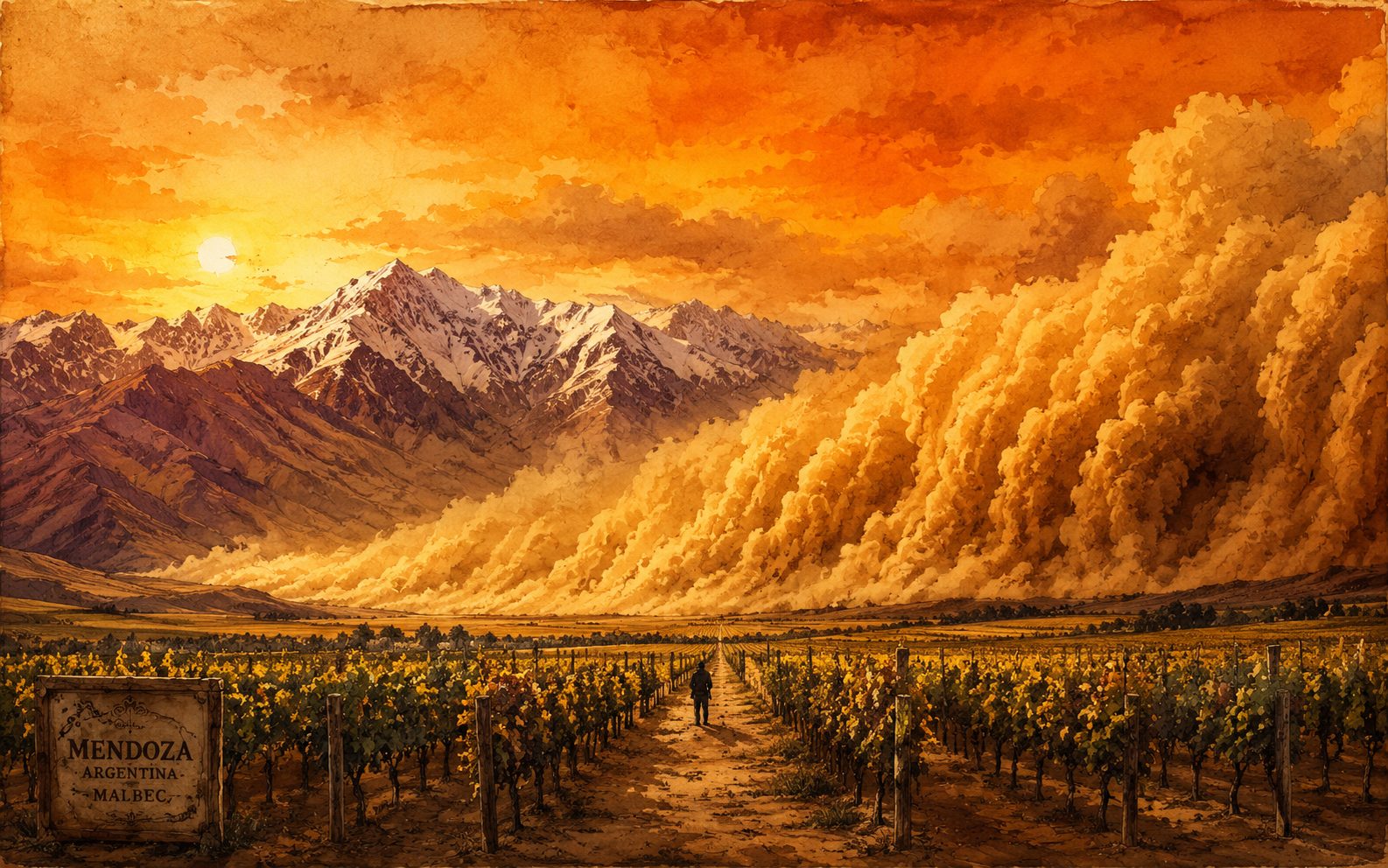
Locals call it the Zonda. And they fear it.
A hot, dry wind that pours down off the Andes — the temperature can leap 20°C in minutes, the air turns bone-dry and electric. When the Zonda blows, Mendoza goes quiet.
The dark part
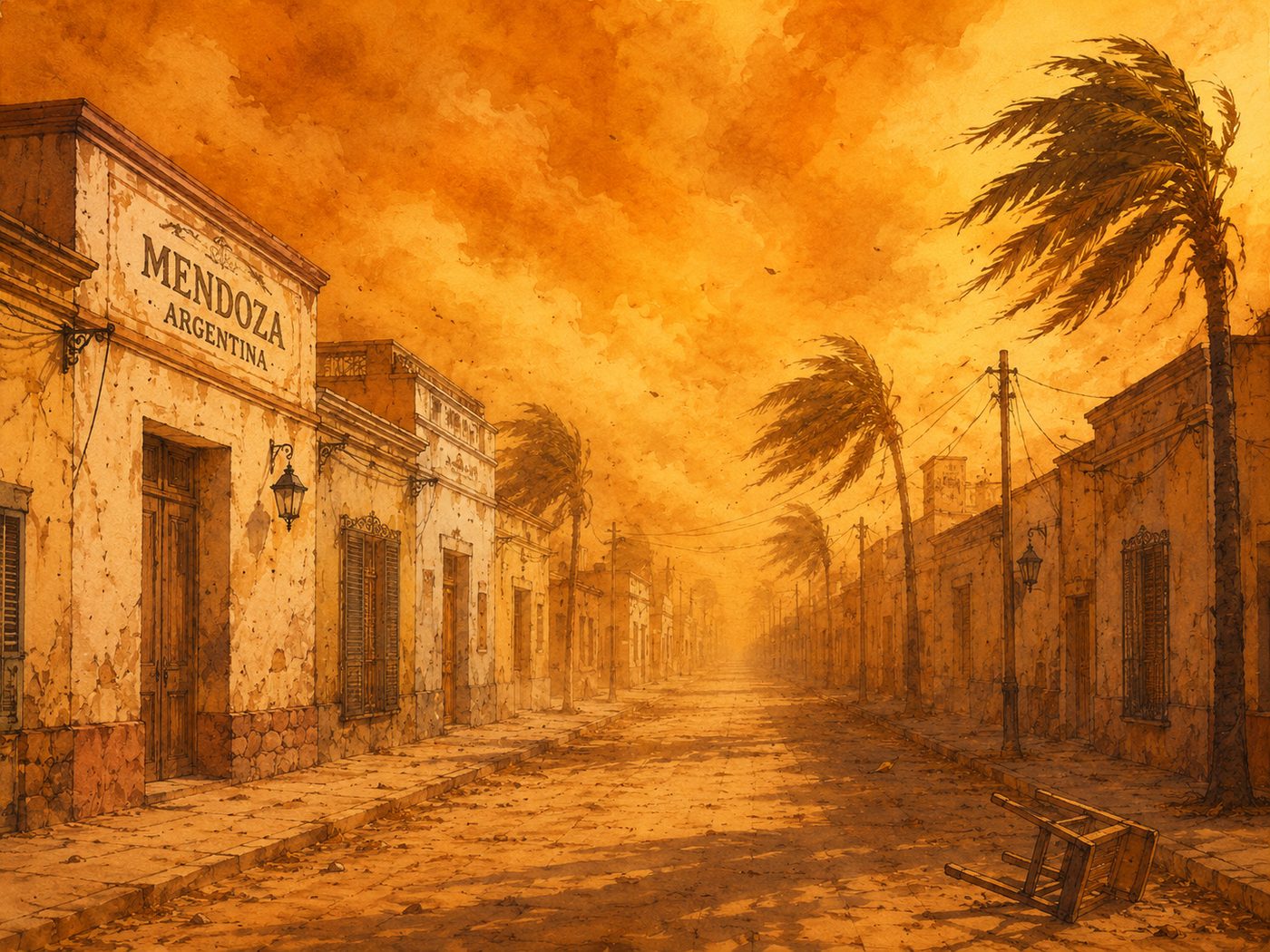
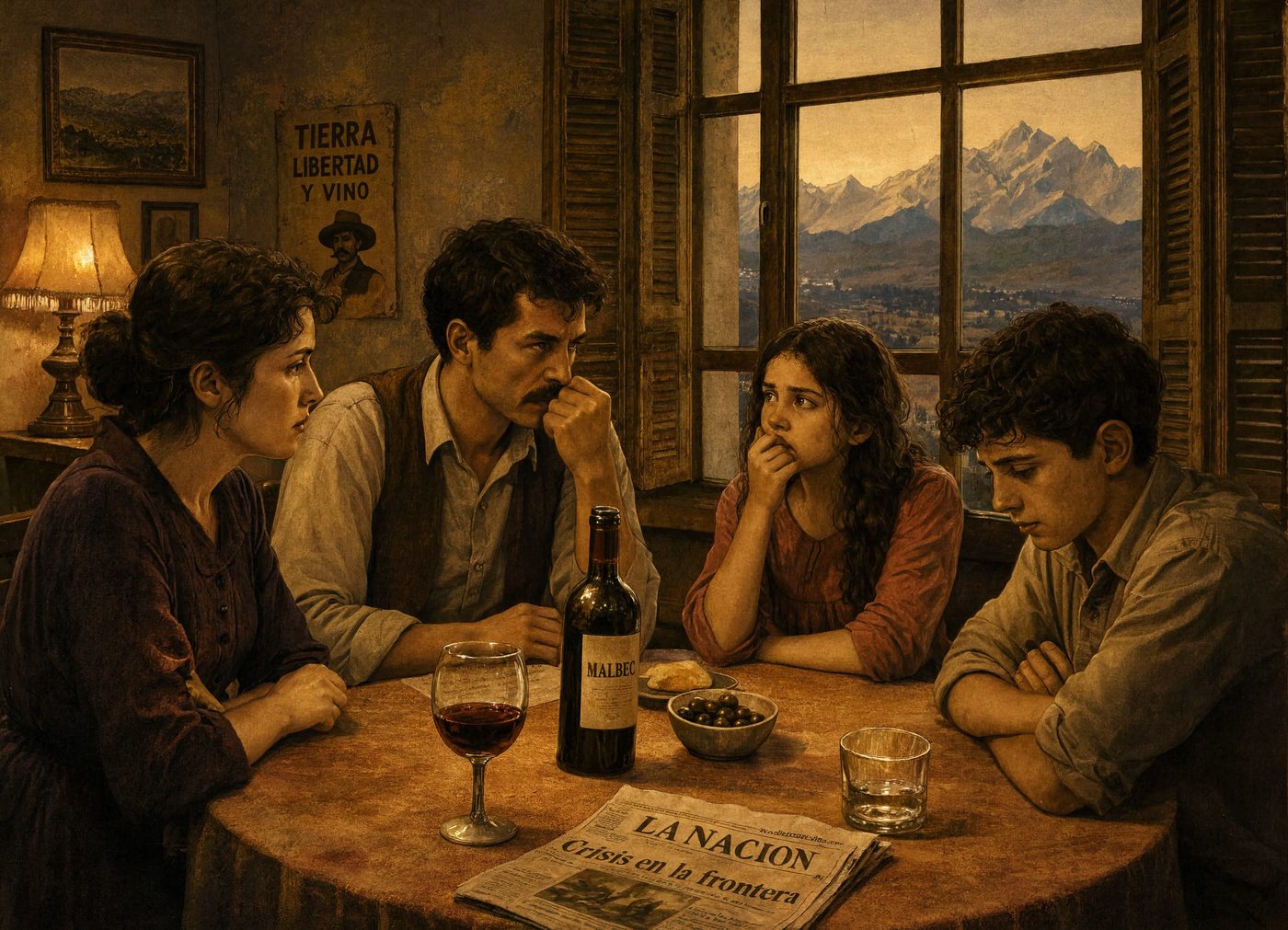
Old-timers say it makes people snap.
There's a saying in Mendoza: "It's the Zonda." Bad moods, restless children, sleepless nights — all blamed on the wind. For generations it's been the local excuse for every short temper.
Here's the gift
That dryness kills disease before it starts.
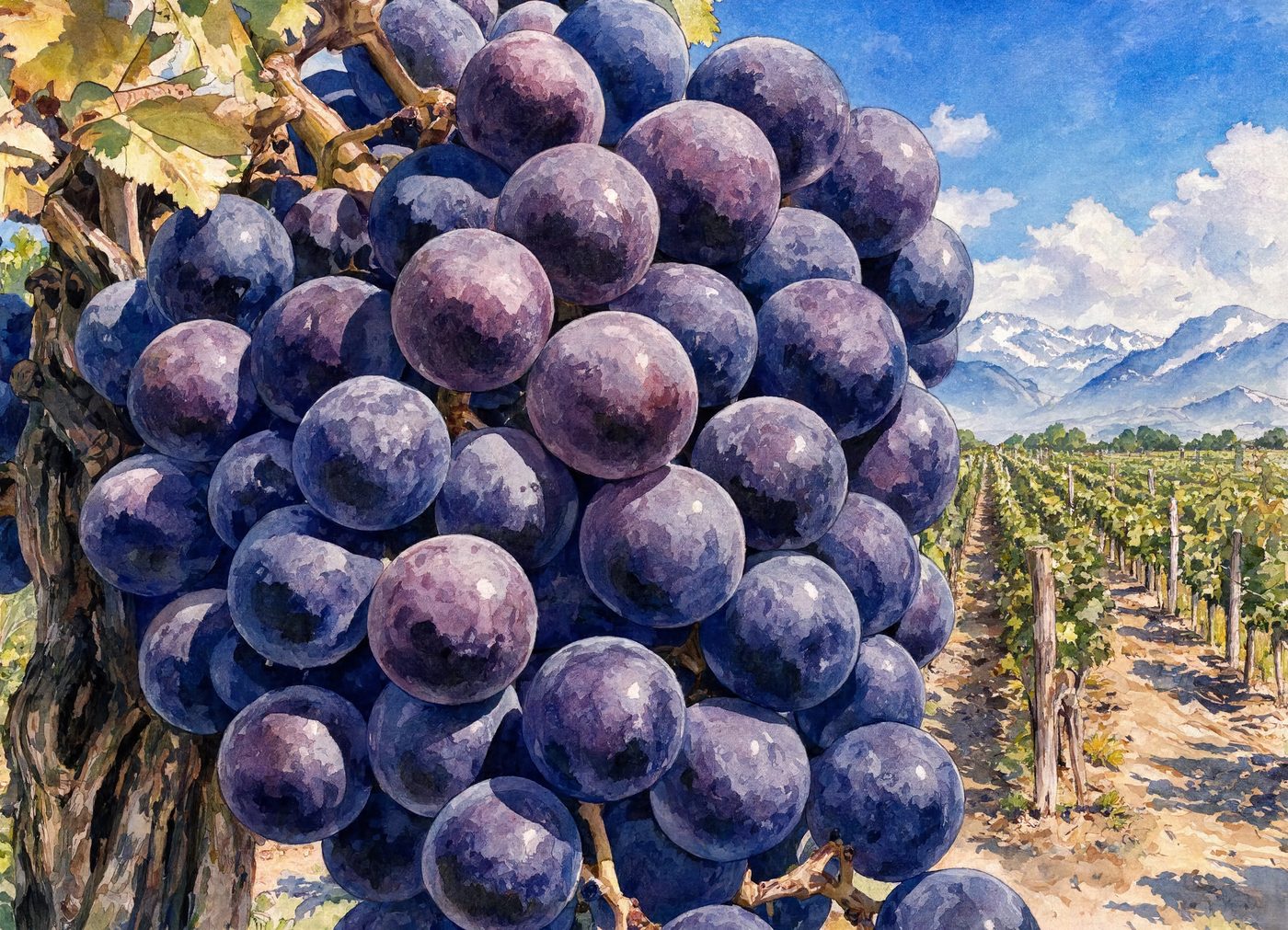
Grapevines hate damp — it breeds rot and mildew. The Zonda's desert-dry air means Mendoza's grapes grow almost free of fungal disease, so growers spray far less. Cleaner grapes, cleaner wine.
It builds the flavour
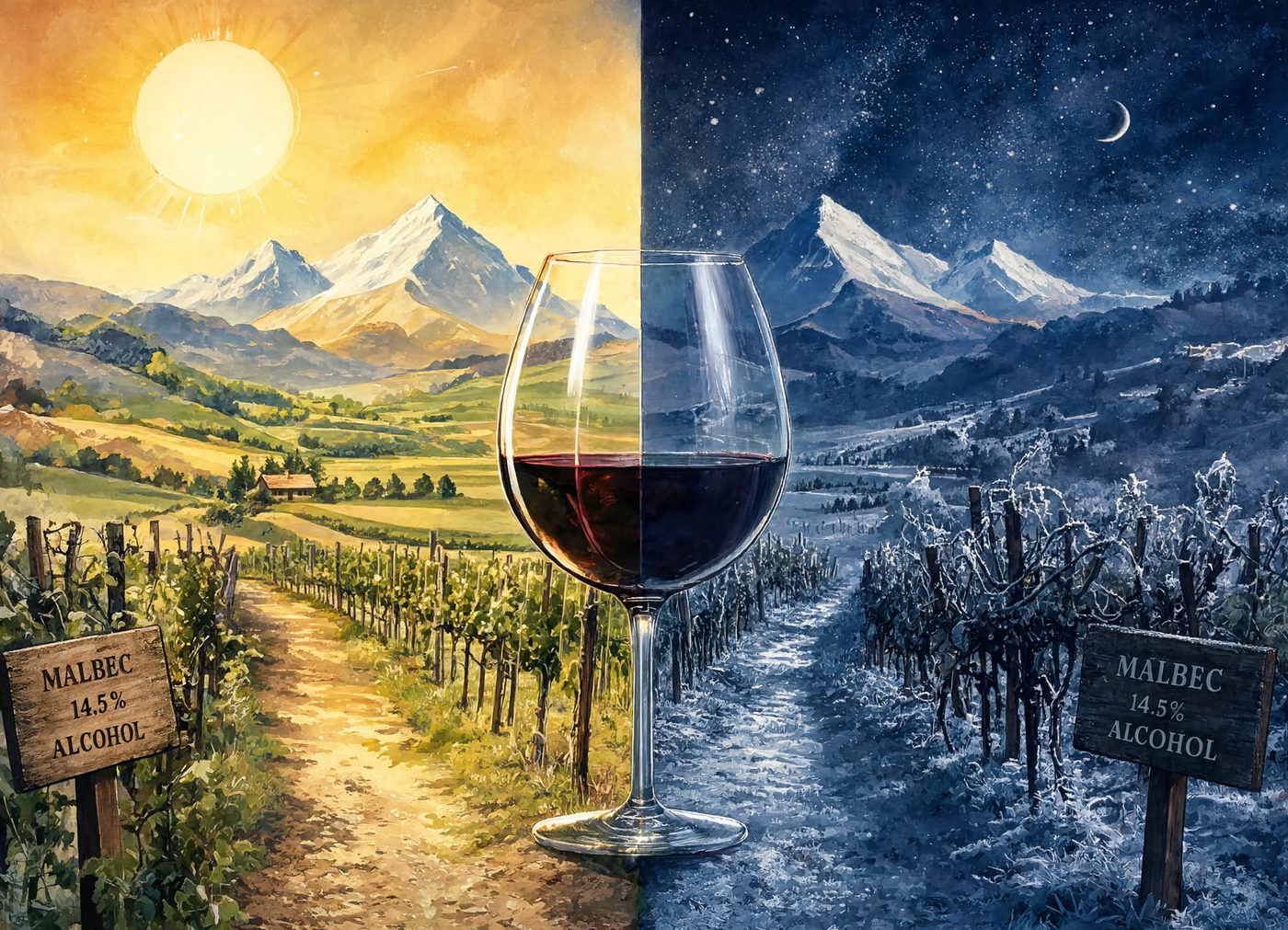
Hot days, freezing nights = bolder wine.
The Zonda and the altitude swing temperatures wildly between day and night. Grapes ripen sweet in the sun but lock in fresh acidity and deep colour after dark. That's the secret behind Malbec's plush-but-lively style.
When it comes
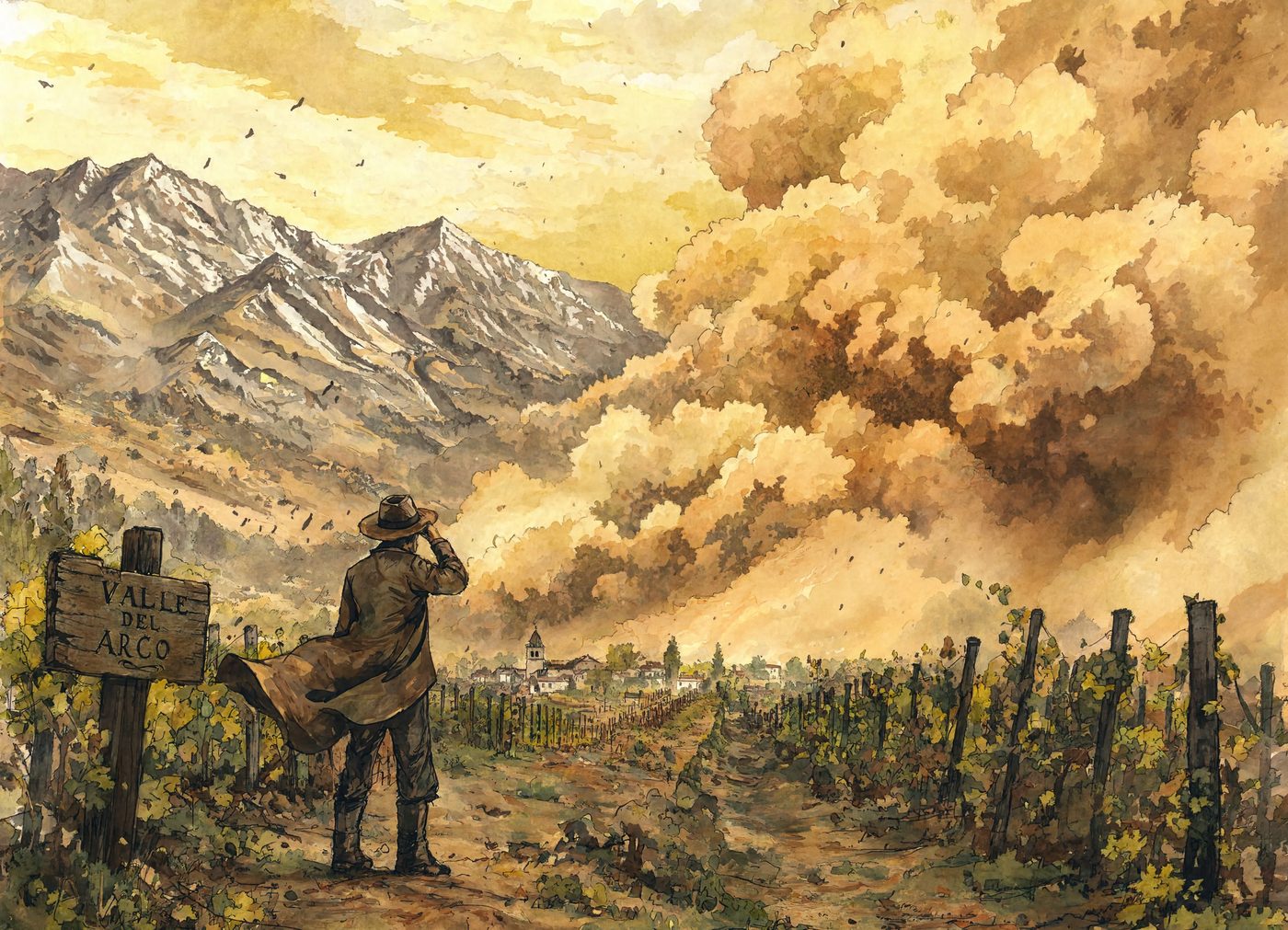
Winter and spring. Out of nowhere.
The Zonda mostly blows May to November. The sky turns a strange ochre, the temperature leaps, and within an hour it's gone — leaving everything dusted in fine Andean sand.
So next time…
You're not just drinking Malbec. You're tasting a wind.
The thing the locals curse is the thing that makes the wine great. That's Argentina in one glass — beauty and hardship, poured together.
Want to actually taste it?
The high-altitude wineries shaped by this wind are the ones worth visiting first.
See Mendoza's best wineriesLoved this? Pin it, or send it to the friend who lives for Malbec 🍷