Chapter 3 of 4

Pairings (asado!)

Tannat is a meat wine, full stop. Its grip and structure were made for the richest, fattiest fare: a thick, marbled steak, slow-cooked lamb, short ribs, game, hearty stews, and the fattier cuts of an asado where the tannins can do their job of cutting through. Aged hard cheeses work too. This is not a delicate aperitif — it is a wine for the table, for big food and cold nights. Decant a young one (see our serving guide) to let it open up.

If you have already met Argentina's structured reds — the backbone of Cabernet Sauvignon, the spice of Syrah — Tannat is the boldest of the family, the deep end of the pool. For drinkers who love a big, serious, structured red and the thrill of discovering something most people have never tasted, Cafayate Tannat is one of the great rewards of Argentine wine.

Browse our Argentina wine tours

Try it with: marbled steak, slow-cooked lamb, short ribs, and the fatty cuts of an asado. Decant young bottles first.
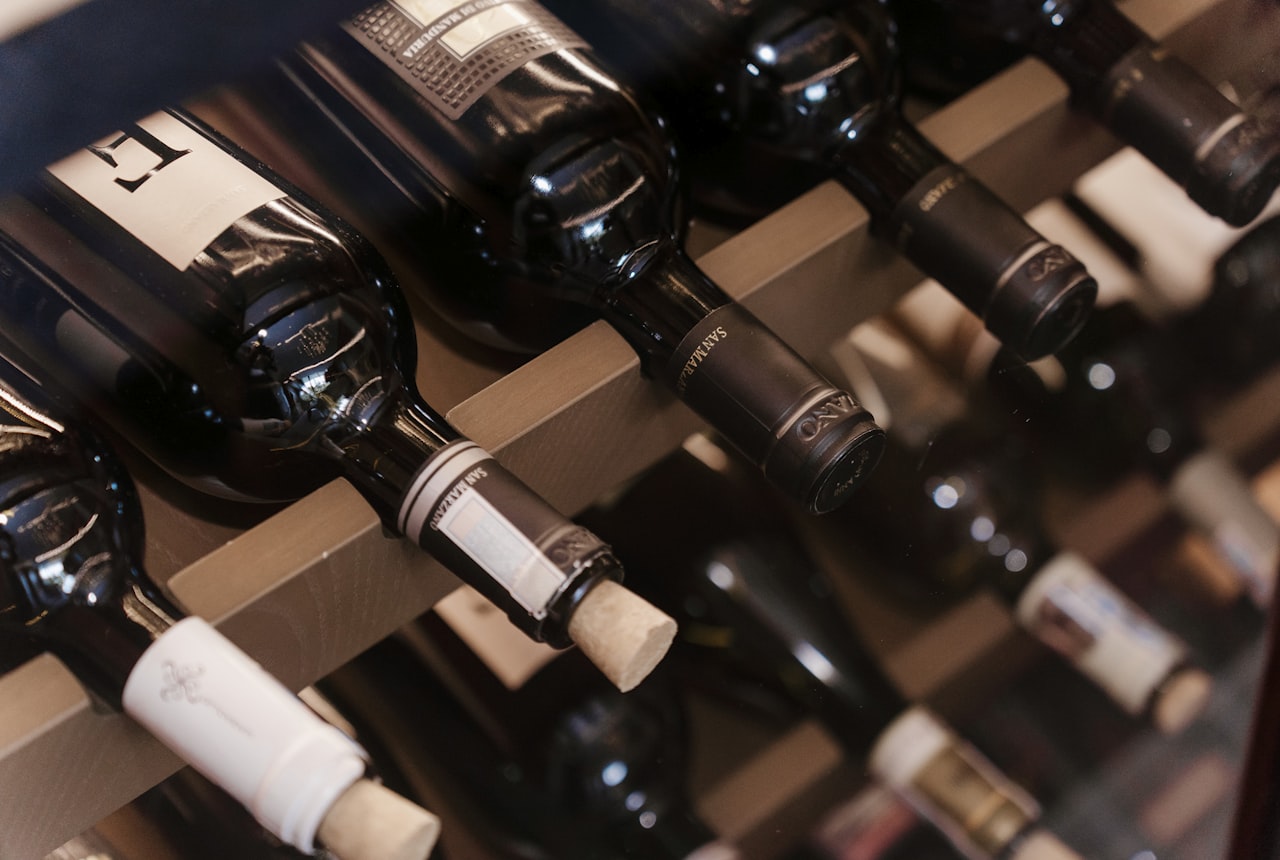
Pairings (asado!)
Up next, Chapter 4 of 4 Here is the trick. Read Chapter 4: Productores →

Preguntas Frecuentes sobre el Vino Argentino (FAQ)

¿Qué hace que el Malbec argentino sea tan único?

Los viñedos de gran altitud en Argentina, especialmente en el Valle de Uco en Mendoza, reciben una luz solar intensa y experimentan una gran amplitud térmica. Esto ralentiza la maduración de las uvas, logrando sabores intensos, acidez equilibrada y taninos sedosos.

¿Cómo planificar un tour del vino en Mendoza?

Recomendamos reservar las degustaciones con al menos 2 o 3 meses de anticipación. Concéntrese en una sola subregión por día (como Luján de Cuyo o el Valle de Uco) para reducir los tiempos de traslado y disfrutar al máximo.

¿Cuáles son los mejores maridajes para el Torrontés?

El Torrontés, la uva blanca emblemática de Argentina, es muy aromático y floral. Combina a la perfección con comida asiática picante, mariscos frescos y las tradicionales empanadas salteñas.