From blending to standalone
The grape that didn't fit in at home
Petit Verdot — “little green one” in French — is one of the classic six red grapes of the Bordeaux blend, alongside Cabernet Sauvignon, Merlot, Cabernet Franc, Malbec and Carménère. But it has a problem in its homeland: it ripens late, often too late, so growers in Bordeaux's cool Atlantic climate lose the crop entirely in poor years — by some counts, it only properly ripens once every four. After a brutal 1956 frost, it nearly disappeared from France altogether. Even today it survives in Bordeaux mostly as a tiny supporting actor — one or two percent of a blend — adding deep color, firm tannin and floral lift to wines built around Cabernet and Merlot.
The grape didn't need different farming. It needed a different sun.
Why Mendoza brings out the best in it
Mendoza is, in essence, everything Petit Verdot was missing in Bordeaux. The climate is dry and continental with abundant sun, and the high-altitude vineyards of Luján de Cuyo and the Uco Valley deliver the long, even ripening this stubborn grape needs. The intense Andean sunlight ripens the tannins fully; the cold nights preserve the acidity. The result is a Petit Verdot that loses none of its trademark structure but gains real fruit ripeness and balance — never a small, hard, mean wine. Some of the best examples come from biodynamic and high-altitude sites in the Uco Valley.
What it tastes like
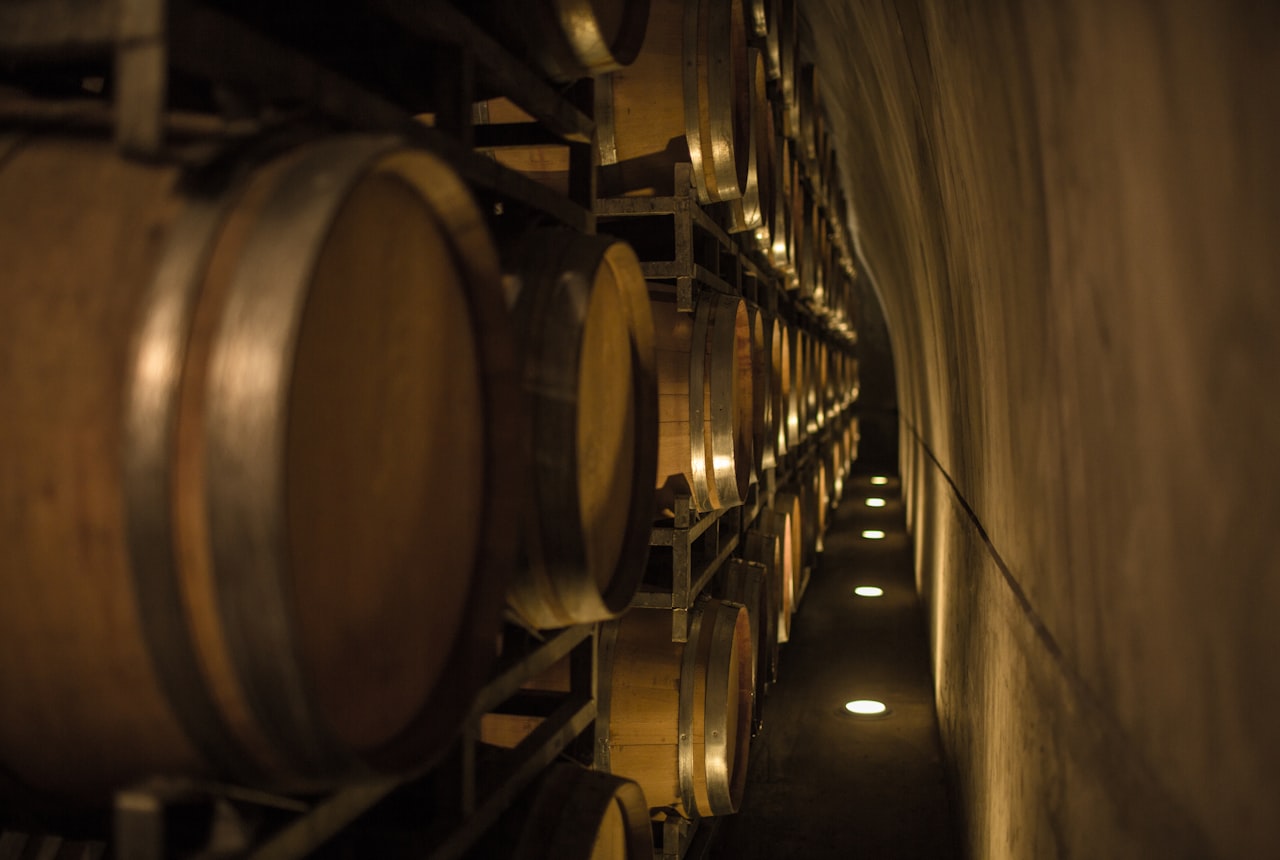
This is a serious red and it looks the part: very deep color, almost black, with violet edges. The aromas are unmistakable — violet, lilac and blackberry, ripe plum and currant, often with notes of crushed coffee bean, dark chocolate and a herbal whisper of sage or black cardamom. On the palate it is full-bodied and structured, with firm tannins and vibrant acidity giving the wine both power and balance. New oak ageing is common and adds chocolate and vanilla without softening the wine's wonderful intensity. The best bottles age beautifully for years.