La segunda más grande
Argentina's big, overlooked second
By volume, San Juan is the second-largest wine region in the country after Mendoza, responsible for over a quarter of all the wine Argentina makes. It sits directly north of Mendoza, wedged between it and La Rioja, almost entirely within the foothills of the Andes. Around 32,000 hectares are under vine — roughly 17% of the national vineyard — and about half of the province's farmland is given over to grapes.
For decades that output was mostly high-yield pink grapes destined for bulk wine, brandy and vermouth. The shift toward serious, premium wine is recent, deliberate, and the most interesting thing happening here.
Hotter, drier, more extreme
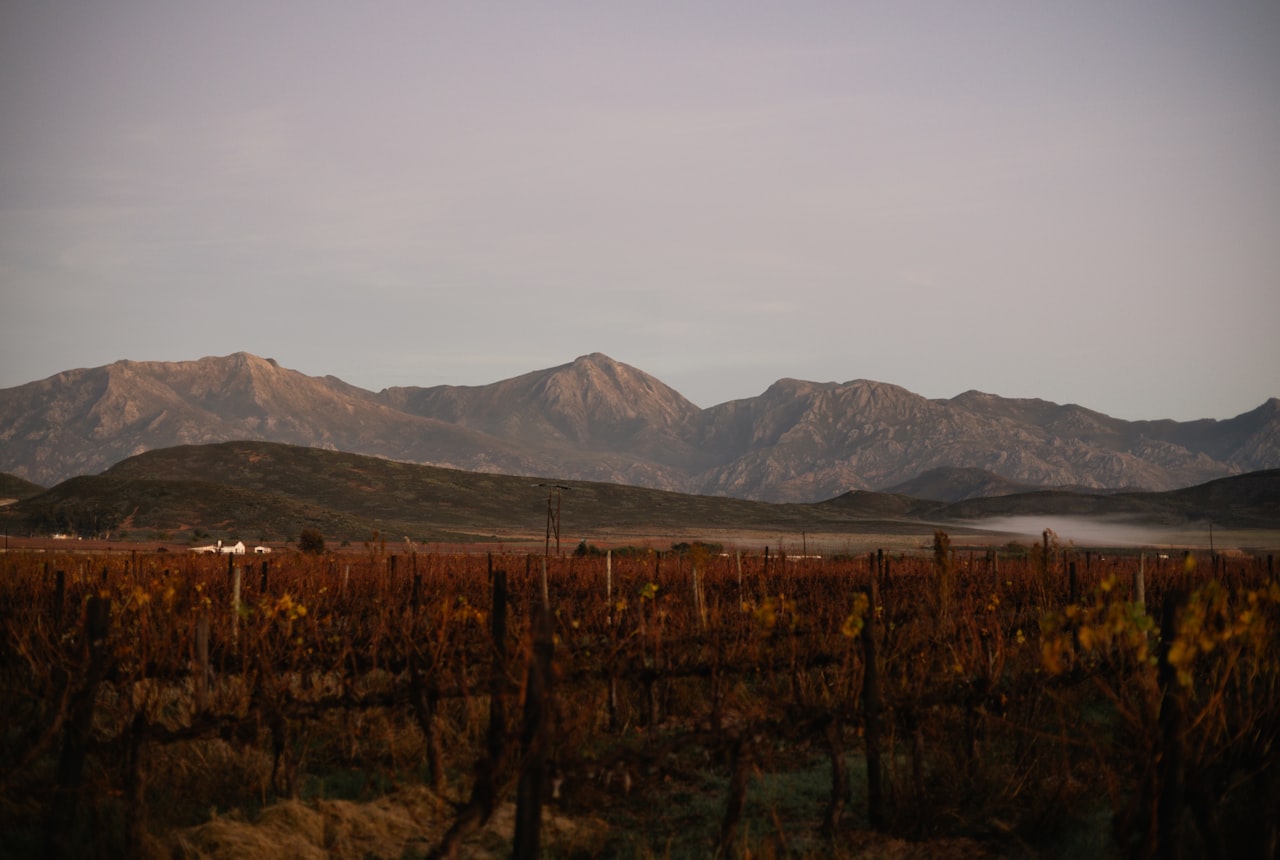
If Mendoza is high desert, San Juan is high desert turned up a notch. Summer temperatures regularly push past 42°C, and rainfall is a mere 150mm or so a year — genuinely semi-arid. Nothing grows without irrigation, which comes as snowmelt down the San Juan and Jáchal rivers.
Then there is the wind. The Zonda is a hot, dry wind that rolls down off the Andes in the mountains' rain shadow — so defining a feature that one of the province's valleys is named after it. Vineyards sit at a wide range of altitudes, from around 600 meters on the valley floors up toward 2,000 meters in the highest sites, and that elevation is what saves the wines: the higher and cooler the vineyard, the more the brutal daytime heat is balanced by cold nights, locking acidity and freshness into otherwise powerful, concentrated fruit.
The region divides into several valleys, each its own little world: Tulum (the largest and most important), Zonda and Ullum nearer the city, Calingasta high in the west, and — the one to watch — the Pedernal Valley, a cool, high-altitude site granted its own GI in 2007 and now the source of the province's most acclaimed wines.
Syrah, and the grapes around it
San Juan has quietly become the heart of Argentine Syrah. The province grows the lion's share of the country's plantings, and the grape has found something here it rarely finds elsewhere in Argentina: a genuinely warm home. The results are deeply colored, concentrated reds full of black fruit, black pepper and spice — wines that critics have compared to the bold Syrahs of South Africa or the warmer Rhône. From the higher, cooler sites they keep a surprising elegance and acidity. If you only try one wine from San Juan, make it a Syrah.
But it is not a one-grape province. The ever-present Malbec does well here, and so does Bonarda — the juicy, dark-fruited workhorse that thrives in this heat. There is real momentum behind Cabernet Franc and Tannat at altitude, and a quiet thread of the country's oldest heritage in the pale, pink-skinned Criolla grapes that were planted here for centuries. Among whites, San Juan's hot-climate Chardonnay has drawn international attention, alongside aromatic Torrontés and Viognier — and the province keeps a proud old tradition of sweet Moscatel and sherry-style wines.