Step 1 of 5

Why Temperature Matters

Three things change with temperature, all at once. Warm wine: alcohol vapor is more volatile, so it dominates your nose, making the wine feel “hot.” Aromatic compounds also volatilize faster, making the bouquet more intense — for better or worse. Acidity, meanwhile, feels less bright. The wine feels flabby and heavy.

Cold wine: aromatic compounds stay locked in the liquid, so you smell less. Acidity feels sharper. Tannins feel more astringent. Sugar feels less sweet. Cold can mask flaws, but it also masks pleasure.

The right temperature is where each wine reaches its own best balance — where acidity, alcohol, fruit, and tannin all work together. The ideal varies by wine type, but the principle is universal: too warm and the alcohol wins; too cold and the wine sleeps.
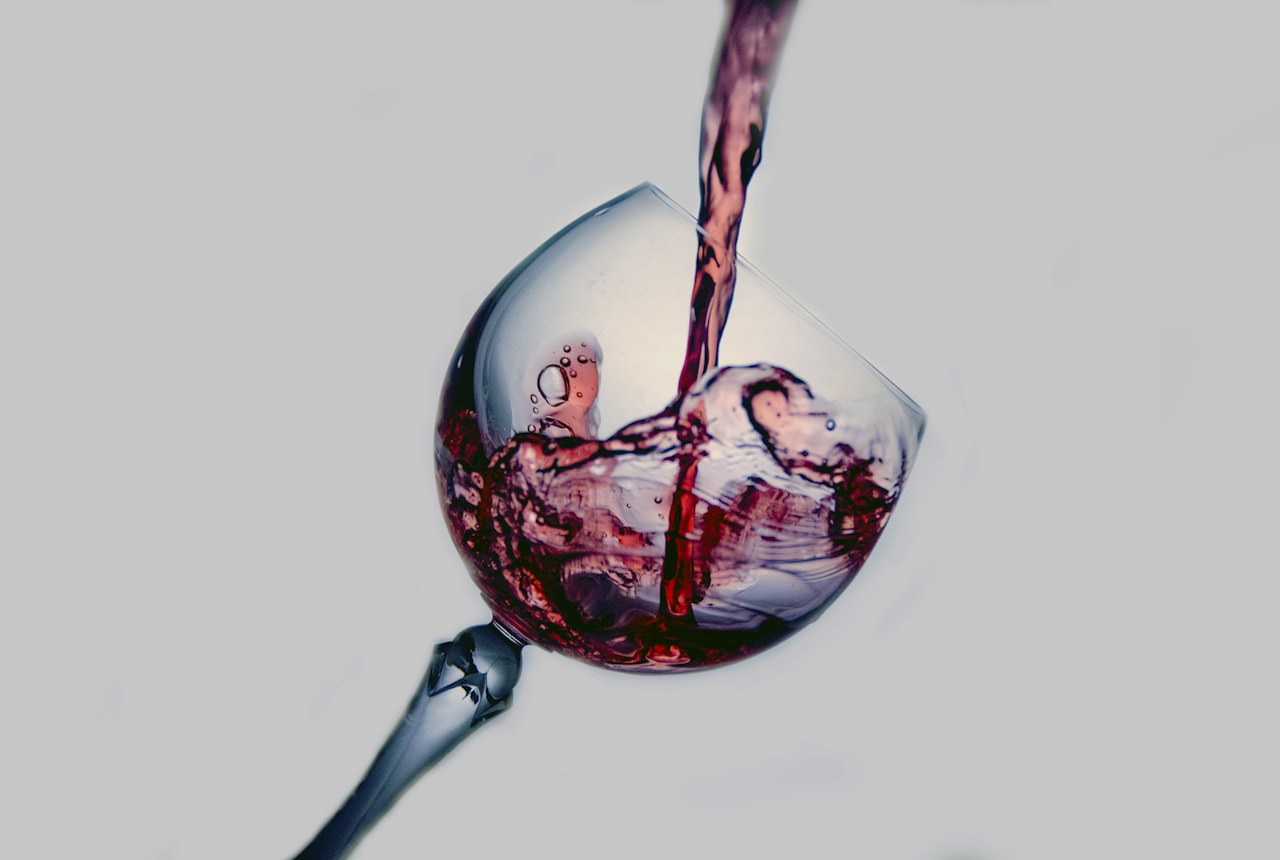
A person swirling and smelling a glass of red wine
The same wine, different temperatures, completely different experiences.

Preguntas Frecuentes sobre el Vino Argentino (FAQ)

¿Qué hace que el Malbec argentino sea tan único?

Los viñedos de gran altitud en Argentina, especialmente en el Valle de Uco en Mendoza, reciben una luz solar intensa y experimentan una gran amplitud térmica. Esto ralentiza la maduración de las uvas, logrando sabores intensos, acidez equilibrada y taninos sedosos.

¿Cómo planificar un tour del vino en Mendoza?

Recomendamos reservar las degustaciones con al menos 2 o 3 meses de anticipación. Concéntrese en una sola subregión por día (como Luján de Cuyo o el Valle de Uco) para reducir los tiempos de traslado y disfrutar al máximo.

¿Cuáles son los mejores maridajes para el Torrontés?

El Torrontés, la uva blanca emblemática de Argentina, es muy aromático y floral. Combina a la perfección con comida asiática picante, mariscos frescos y las tradicionales empanadas salteñas.