Step 3 of 4

Extended Maceration

Days, sometimes weeks, after fermentation ends. When yeast finishes its work, the wine is dry — no sugar left. Normally, this is when winemakers press the wine off the skins. But some leave it in contact for additional days or even weeks. This is extended maceration.

What it does is counterintuitive. The harsh, green tannins released early in fermentation bind together and fall out of the wine over extended time. The remaining tannins are smoother, more silky. A wine that needed 5 years to soften in the bottle can be ready in 2.

Extended maceration is the secret behind many icon Argentine Malbecs that taste polished and rich straight out of the gate. It's also expensive — every extra day is a tank not making the next vintage.
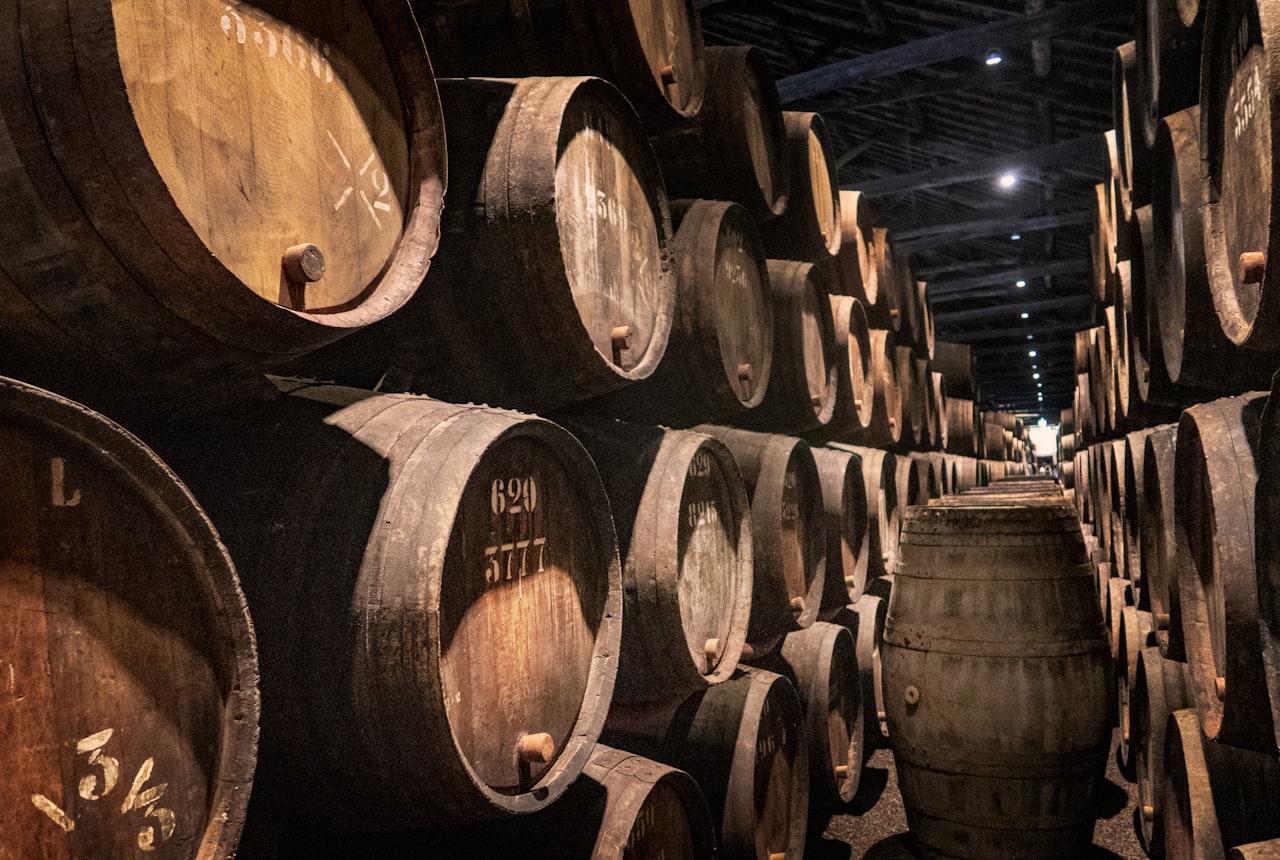
A red wine tank in a cellar during extended maceration
Time as a tool. The wine literally polishes itself.

Preguntas Frecuentes sobre el Vino Argentino (FAQ)

¿Qué hace que el Malbec argentino sea tan único?

Los viñedos de gran altitud en Argentina, especialmente en el Valle de Uco en Mendoza, reciben una luz solar intensa y experimentan una gran amplitud térmica. Esto ralentiza la maduración de las uvas, logrando sabores intensos, acidez equilibrada y taninos sedosos.

¿Cómo planificar un tour del vino en Mendoza?

Recomendamos reservar las degustaciones con al menos 2 o 3 meses de anticipación. Concéntrese en una sola subregión por día (como Luján de Cuyo o el Valle de Uco) para reducir los tiempos de traslado y disfrutar al máximo.

¿Cuáles son los mejores maridajes para el Torrontés?

El Torrontés, la uva blanca emblemática de Argentina, es muy aromático y floral. Combina a la perfección con comida asiática picante, mariscos frescos y las tradicionales empanadas salteñas.