So which is better?
Three honest answers. Wines for early drinking (most whites, rosés, fruity reds) → screw cap is often better. Freshness preserved, no TCA risk.
Wines for long aging (top reds, icon Malbecs, Bordeaux first growths) → cork still favored. The slow oxygen exchange is part of how they evolve.
Premium wines in between → increasingly use DIAM (a technical cork made from cork particles cleansed of TCA) or premium screw caps with calibrated liners. The wine inside matters 1000 times more than what's on top.
What you'll find on Argentine bottles
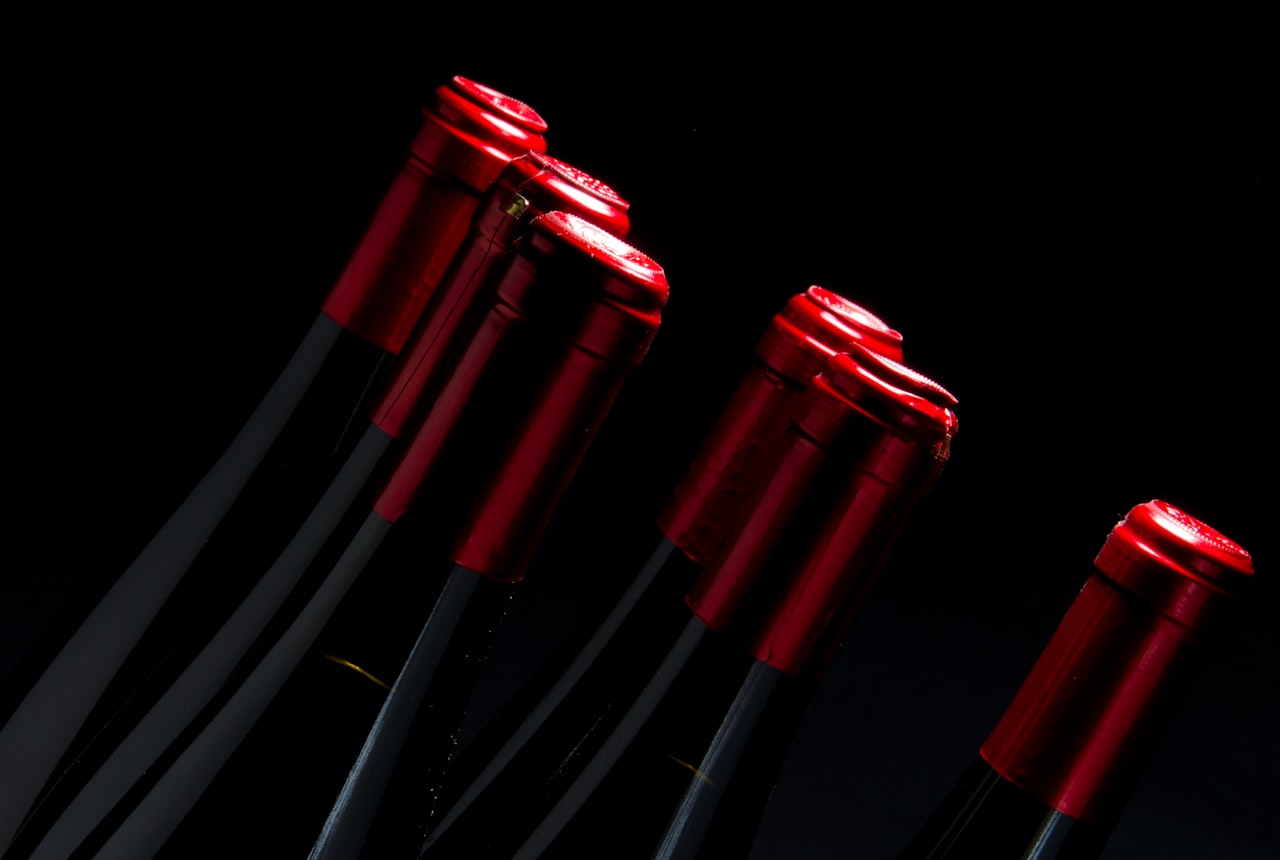
Cork for icon. Cap for fresh. Icon Malbecs (Catena Zapata, Zuccardi, Susana Balbo top tier) use natural cork or DIAM. Built for 10+ year aging. Mid-range Malbecs and Bonardas — usually natural cork.
Entry-level reds for early drinking — increasingly screw cap. Most Torrontés and other whites — increasingly screw cap, especially for export. The screw cap preserves the floral aromatics.
Sparkling — always cork (the internal pressure demands it). If you see a serious Argentine red under screw cap, don't dismiss it — the producer chose deliberately.