🥂 Dry white wine in cooking – how to cook like an Argentine
🌄 An atmosphere of taste
In Mendoza, where the mountains catch the sun and the wind carries the scent of grapes, wine is more than just a drink. It's an ingredient of life. Add it to a sauce, and the food begins to sound like music. The key is knowing which white wine to add and when.
🍇 1. WHY ADD WHITE WINE TO FOOD
Dry white wine: 🌿 Enhances the aroma of herbs and lemon; 🍋 Softens the richness of creamy or meat sauces; 🔥 Brings ingredients together, adding depth to the flavor; 💎 Leaves a subtle aftertaste—that special "why is it so delicious?" note. 💡 The main rule: use only the wine you would drink yourself.
🍽 2. WHAT TO PAIR WITH — A CHEAT SHEET FROM MENDOZA
🍳 3. HOW TO USE WINE IN COOKING — STEP-BY-STEP
🔸 For sauces: Add wine to the hot pan after searing—let it absorb the flavor of the butter and spices. Reduce by half to evaporate the alcohol. Add cream, butter, or broth—this will create a perfect emulsion.
🔸 For fish: Pour a little wine into the baking dish—it will add flavor and preserve the juiciness. After cooking, add a drop of fresh wine on top: this is how they serve it in Mendoza.
🔸 For vegetables: Add wine at the end—just a couple of spoons—to “awaken” the aroma. Herbs and lemon enhance the effect.
🧠 4. SOCMELIER MENDOZA'S SECRETS
✨ 1. Wine is not a condiment, but a participant in the recipe. It shouldn't hide—it should speak.
🔥 2. Evaporate, but don't overdry. If the sauce smells of alcohol, it's too early. If the aroma has disappeared, it's too late.
🍋 3. Add acidity if the wine is soft. A little lemon or salt will bring out the depth.
🍇 4. For desserts, stick with Chardonnay. A little creamy wine will add flavor even to caramel or crème brûlée.
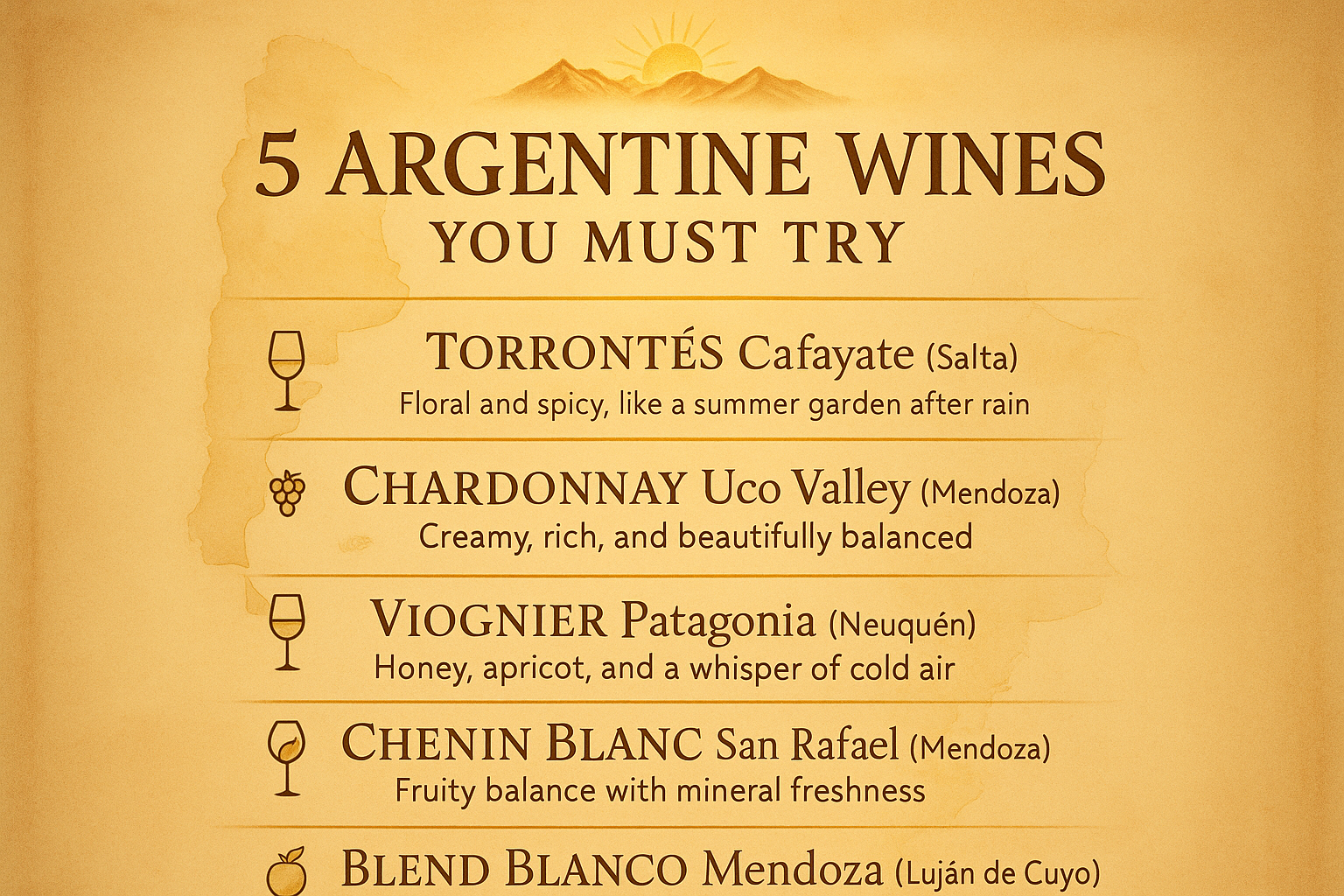
🌞 5 ARGENTINE WINES YOU MUST TRY
🌿 6. HOW TO USE THIS ARTICLE
📍 Save it as a "Mendoza culinary map."
📍 Try this experiment: choose one dish and three different wines.
📍 Compare. Take notes. This is a true gastronomic experience.
🧭 Finale: Taste is a Journey
When wine meets fire, it's not just a taste that's born, but a memorable moment. Perhaps that's why Mendoza's chefs pour wine with such confidence, as if they know every sip will make everything right.