How Red Wine Is Made: The Key Principle
The main difference between red and white wine is fermentation with the grape skins.
The skins:
- impart color,
- form the tannin structure,
- influence the aroma, texture, and aging potential.
Without skin contact, red wine as we know it doesn't exist.
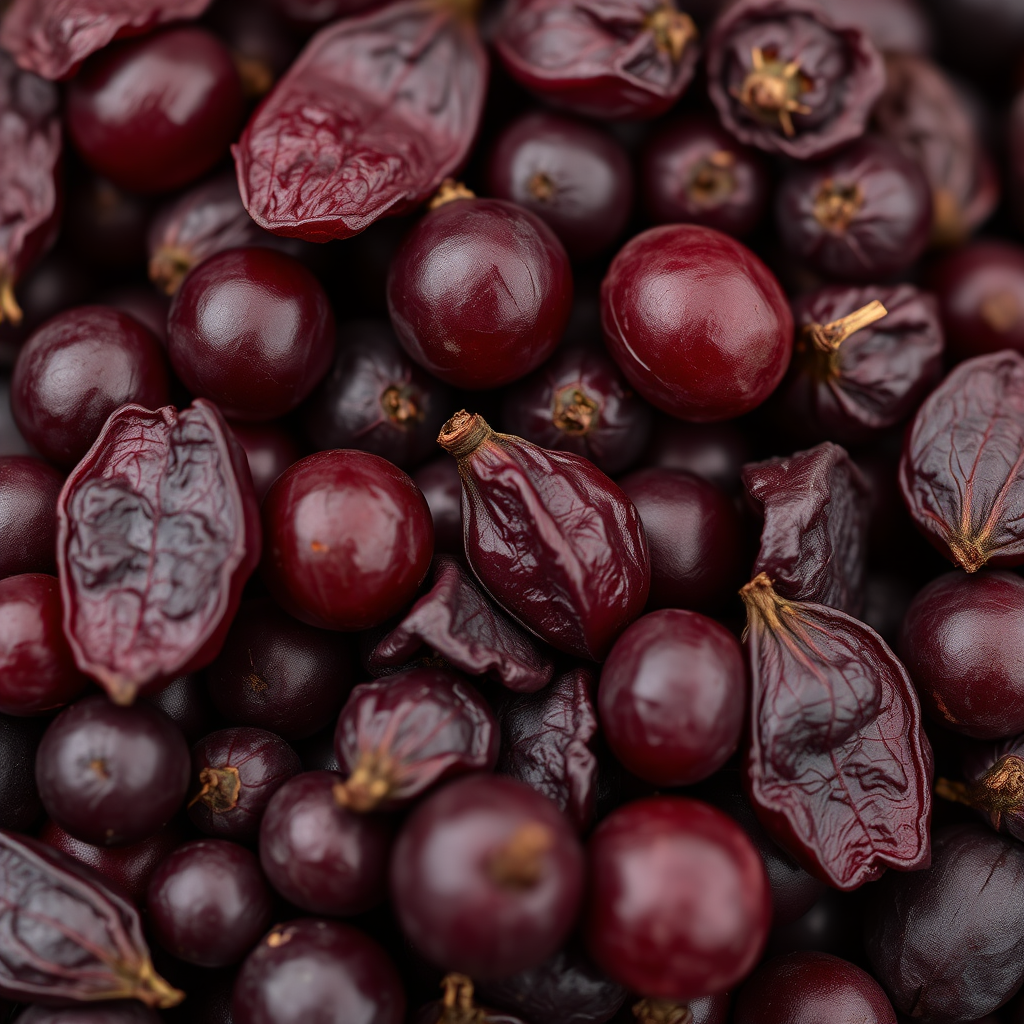
🔴 STEP 1. Harvesting Red Wine Grapes
Red wine is made from black (purple) grapes. It's important to understand: the juice inside is almost always clear. All the color you see in the glass is the result of the extraction of pigments (anthocyanins) from the skins.
Why the moment of harvest is critical
After harvest, the grapes no longer ripen. Ever. Therefore, the winemaker literally chooses the future of the wine on the day of harvest.
Harvesting too early:
- high acidity,
- green, herbaceous notes,
- a thin, angular wine.
Harvesting too late:
- overripe berries,
- soft, "smeared" structure,
- high alcohol content,
- risk of cooked, jammy aromas.
This is why the harvest period is the most intense time of the year for winemakers. Decisions are often made in a matter of hours, and sometimes even overnight.
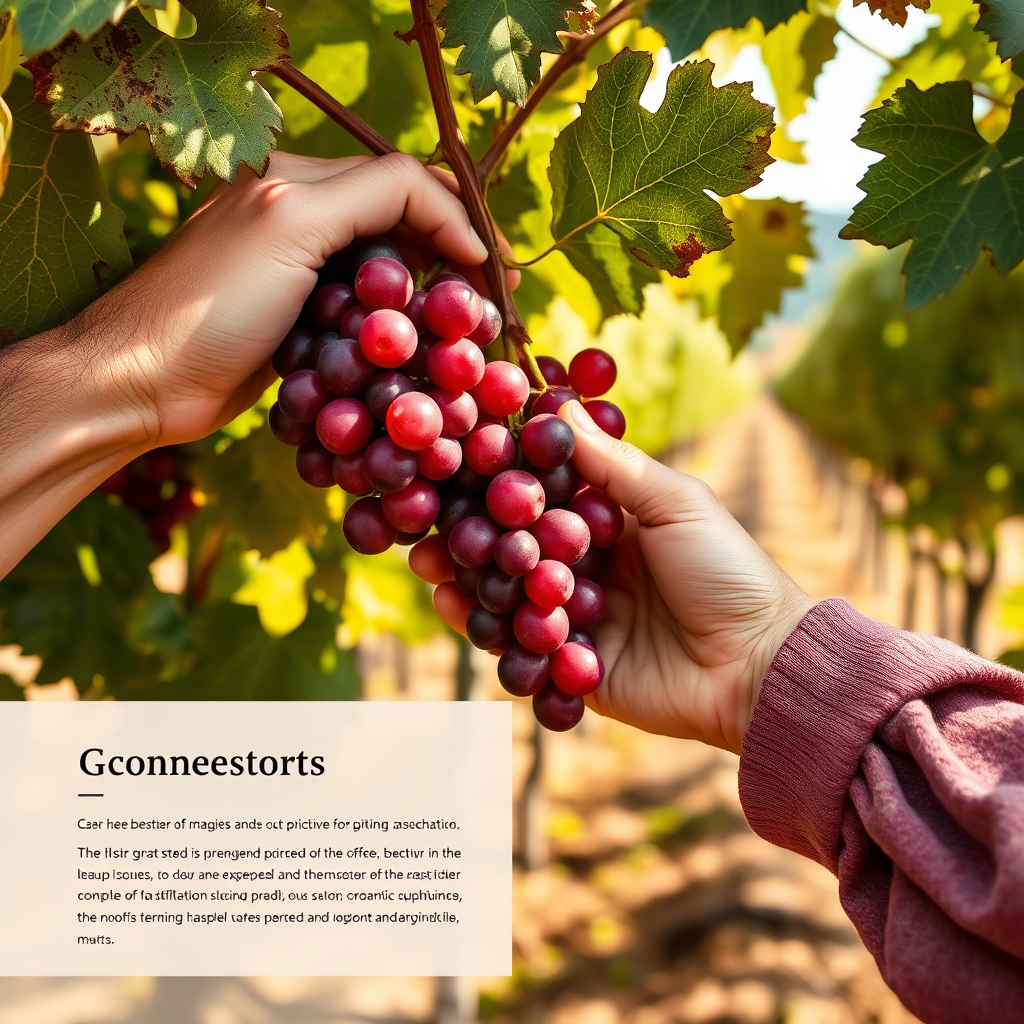
Manual harvesting ensures quality.
🍇 STEP 2. Preparing grapes for fermentation
After harvesting, the grapes are quickly transported to the winery. This is where the winemaker's first conscious stylistic choice begins.
Should they destem?
There are two options:
1. Destemming
- a cleaner fruit profile,
- softer tannins,
- more often used for Cabernet Sauvignon, Merlot, and Syrah.
2. Whole cluster fermentation
- adds structure and astringency,
- reduces acidity,
- enhances spicy and floral notes,
- often used for Pinot Noir.
This decision directly impacts: mouthfeel, aging potential, wine style – from velvety to austere.
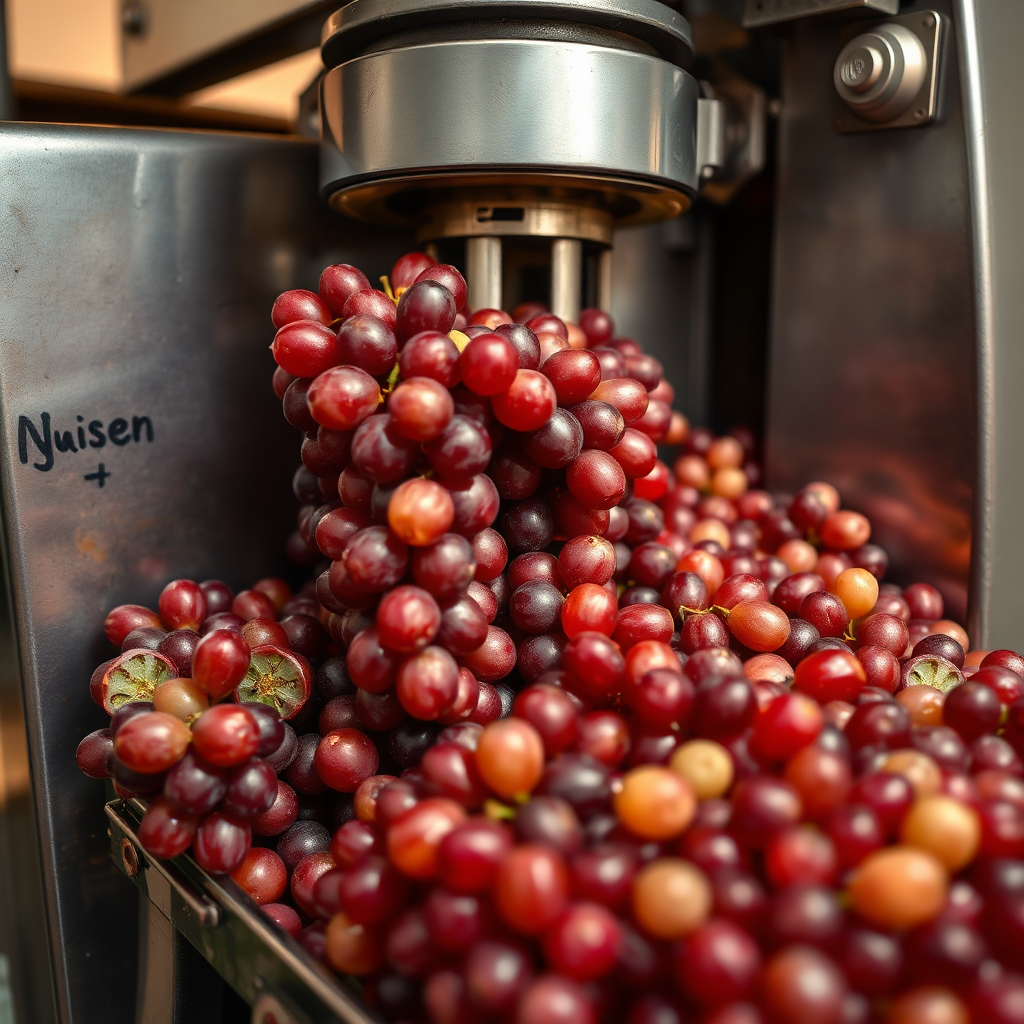
Addition of sulfur dioxide (SO₂)
At this stage, grapes are often treated with a small amount of sulfur dioxide to:
- suppress harmful bacteria,
- prevent oxidation,
- protect the juice before fermentation begins.
This isn't about "chemistry," but about microbiological control.
🍒 STEP 3. Yeast initiates wine fermentation
Once the grapes are crushed and ready, the heart of winemaking begins – fermentation. This is where the sweet grape juice begins to transform into wine.
How yeast works
Yeasts are microscopic organisms that:
- feed on the sugars in the grapes,
- produce alcohol,
- release carbon dioxide and aromatic compounds.
The most common yeast in winemaking is Saccharomyces cerevisiae.
Commercial yeasts:
- consistent results,
- aromatic control,
- less risk of "stuck" fermentation,
- often used in large wineries.
Natural (wild) yeasts:
- live on grape skins and in the winery,
- more difficult to manage,
- produce more complex, terroir-driven aromas,
- higher risk of errors.
🇦🇷 Argentine Context
- many modern wineries (especially in Mendoza) use a combined approach: start with natural yeasts, control when necessary.
- in high-altitude regions (Salta, Valle de Uco), wild yeasts are particularly active due to the clean air and dry climate.
This is why Argentine Malbecs often have bright, clean fruitiness, even with natural fermentation.
🔥 STEP 4. Alcoholic fermentation of red wine
Alcoholic fermentation of red wine typically lasts 7-14 days, but it is during this period that the following develops:
- color,
- body,
- aroma,
- structure of the wine.
The skin cap is a key element.
During fermentation: the skins float to the top, a dense layer forms—the cap.
If it is not controlled: the color will be weak, the wine will be flat, microbiological spoilage is possible.
Main Extraction Methods
Pump-over
The wine is drawn from the bottom and racked from the top:
- intense extraction,
- rich color,
- dense tannins.
Often used for Cabernet Sauvignon, Malbec, and Bonard.
Punch-down
The cap is "punched" by hand or with a tool:
- softer extraction,
- delicate texture,
- elegant style.
Often used for Pinot Noir and premium Malbecs.
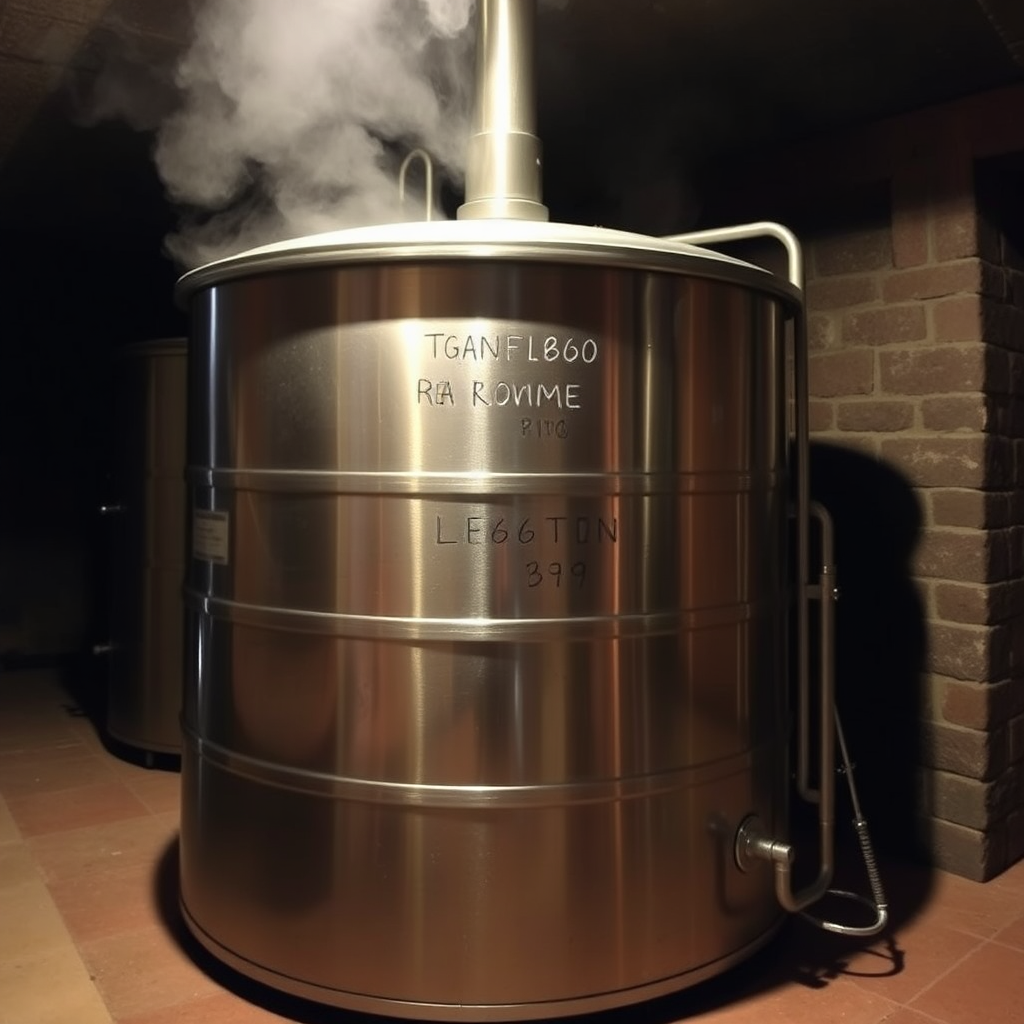
Fermentation Temperature
- 22–25°C — fresh, fruity style
- 26–30°C — power, color, structure
🇦🇷 Argentina
- Due to the hot climate: fermentation is almost always cooled.
- Temperature-controlled steel vats are used.
- This helps maintain freshness even in hot regions.
🗜️ STEP 5. Wine Pressing
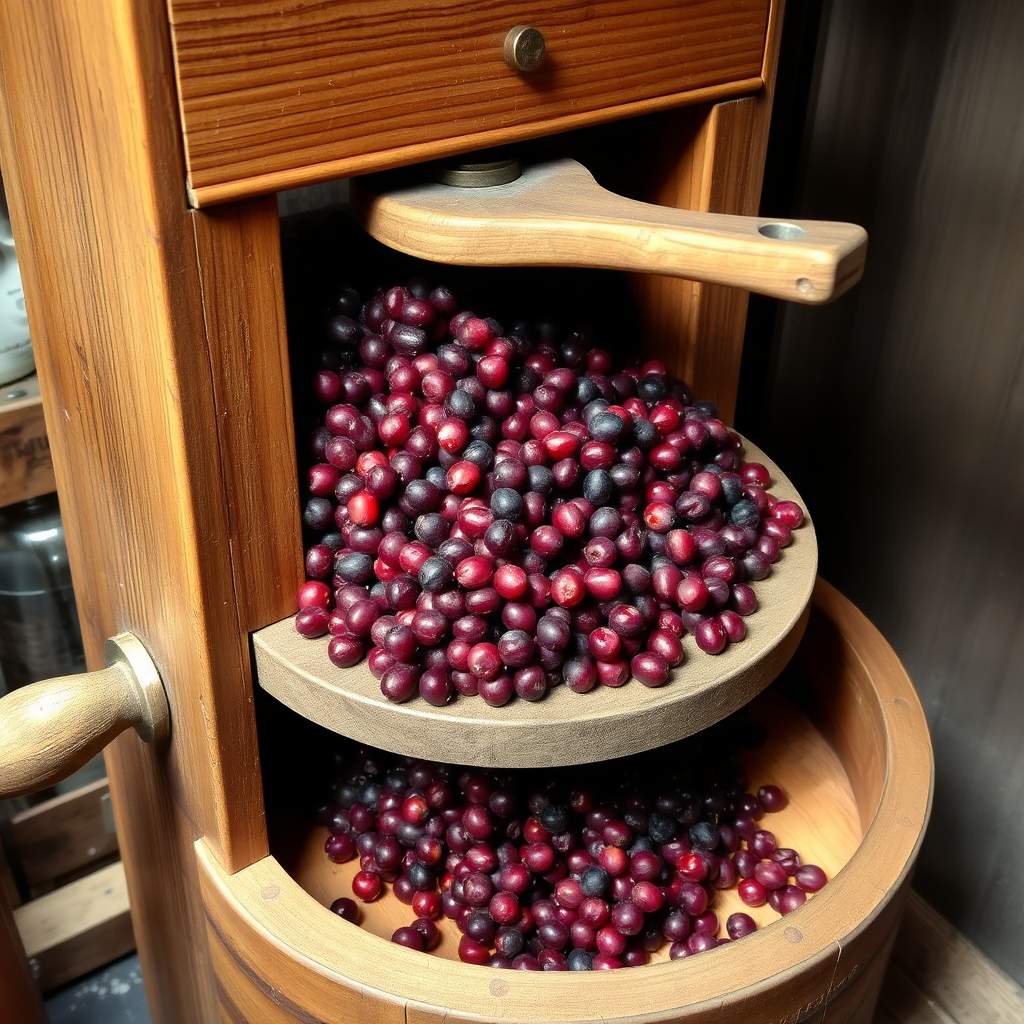
When the sugars have almost completely been converted into alcohol, the winemaker:
- drains the free-flowing juice (free-run wine),
- presses the skins separately.
Why press?
Pressing produces:
- up to 15% additional wine,
- more tannins,
- a more rigorous structure.
Common: free-run wine – used as the basis of a blend, press wine – used sparingly.
🇦🇷 Argentine practice
- press wine is often added in microdoses,
- to enhance the structure of Malbec without making it harsh.
Cross-references:
🧬 STEP 6. Malolactic fermentation (second, "silent" fermentation)
After alcoholic fermentation is complete, the red wine is not ready. On the contrary, one of the most subtle and underrated stages begins, which directly influences the softness, roundness, and comfort of the wine. This is malolactic fermentation, or MLF for short.
What happens during MLF
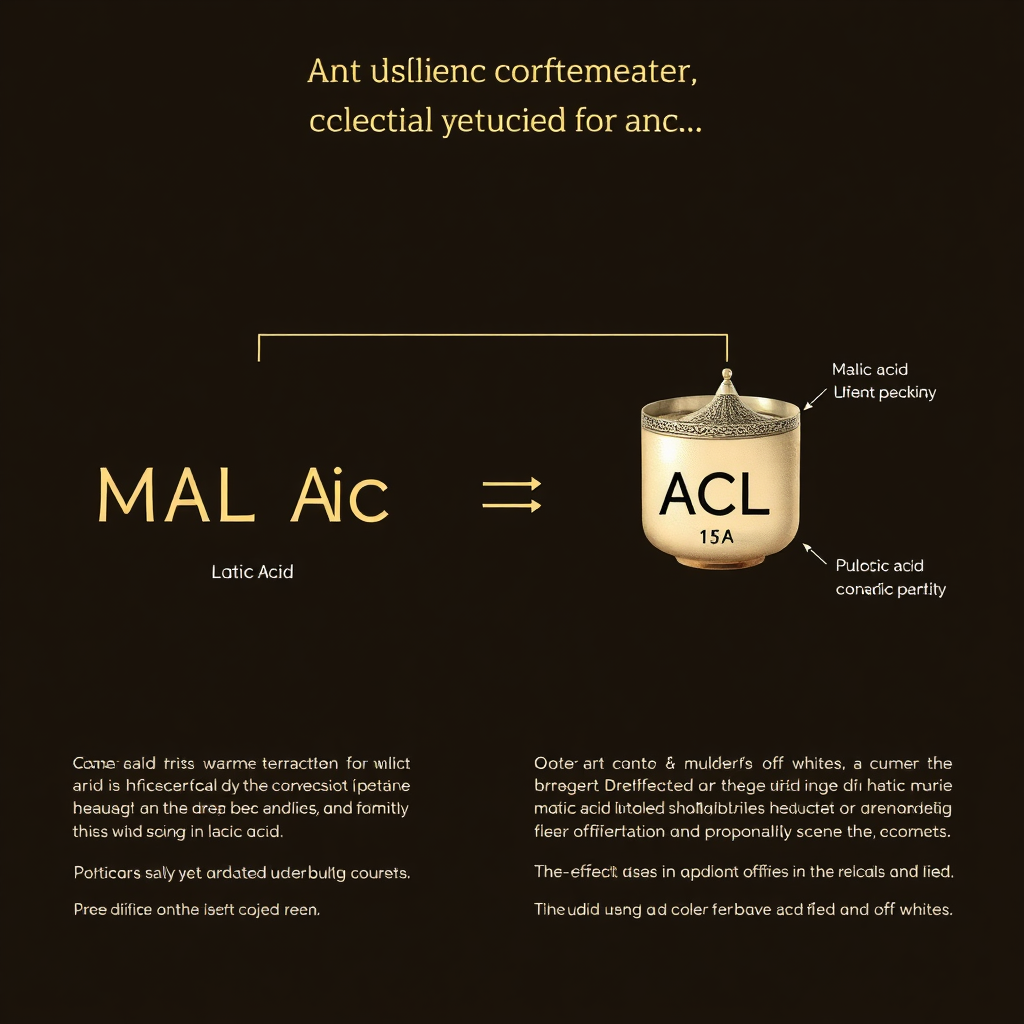
Wine contains malic acid—the same acid that makes green apples sharp and prickly.
During MLF, special lactic acid bacteria:
- absorb malic acid,
- convert it into lactic acid,
- stabilize the wine microbiologically.
The same acid is found in: yogurt, cream, soft cheeses.
Why almost all red wines undergo MLF
- reduces aggressive acidity;
- makes the flavor more stable;
- prevents unwanted processes in the bottle;
- improves compatibility with oak aging.
Almost 100% of red wines undergo MLF. This is why red wines are rarely "sour" like some white wines.
🇦🇷 Why Argentine Red Wines Are So Soft
The softness of Argentine red wines is not magic or chance, but the result of three mutually reinforcing factors.
1. High-Altitude Vineyards
Most of Argentina's key regions are located at altitudes of 800 to 1,500 meters, sometimes above 2,000 meters.
What this means:
- Sharp day/night temperature fluctuations,
- acidity preservation,
- slow and even ripening.
Result: ripe sugars, phenolically mature skins, soft tannins from the start.
2. Controlled malolactic fermentation
In Argentina, MLF is almost always carried out to completion, especially for Malbec and Malbec-based blends.
This means:
- minimal harsh malic acidity,
- maximum milky roundness,
- a "silky" mouthfeel.
This crucial step refines the wine's texture.
3. Sunny climate + low humidity
- grapes rarely get sick,
- fully ripened skins,
- no harsh green tannins.
Therefore, Argentine red wines are rarely "prickly," comfortable even when young, and suitable for drinking without long aging.
Block summary:
Argentine red wines are soft because:
high altitude + mature skins + complete MLF = a rounded texture.
🪵 STEP 7. Wine aging (Élevage)
After malolactic fermentation, the wine is left to "rest." This stage is called élevage—the education of the wine.
Main aging vessels
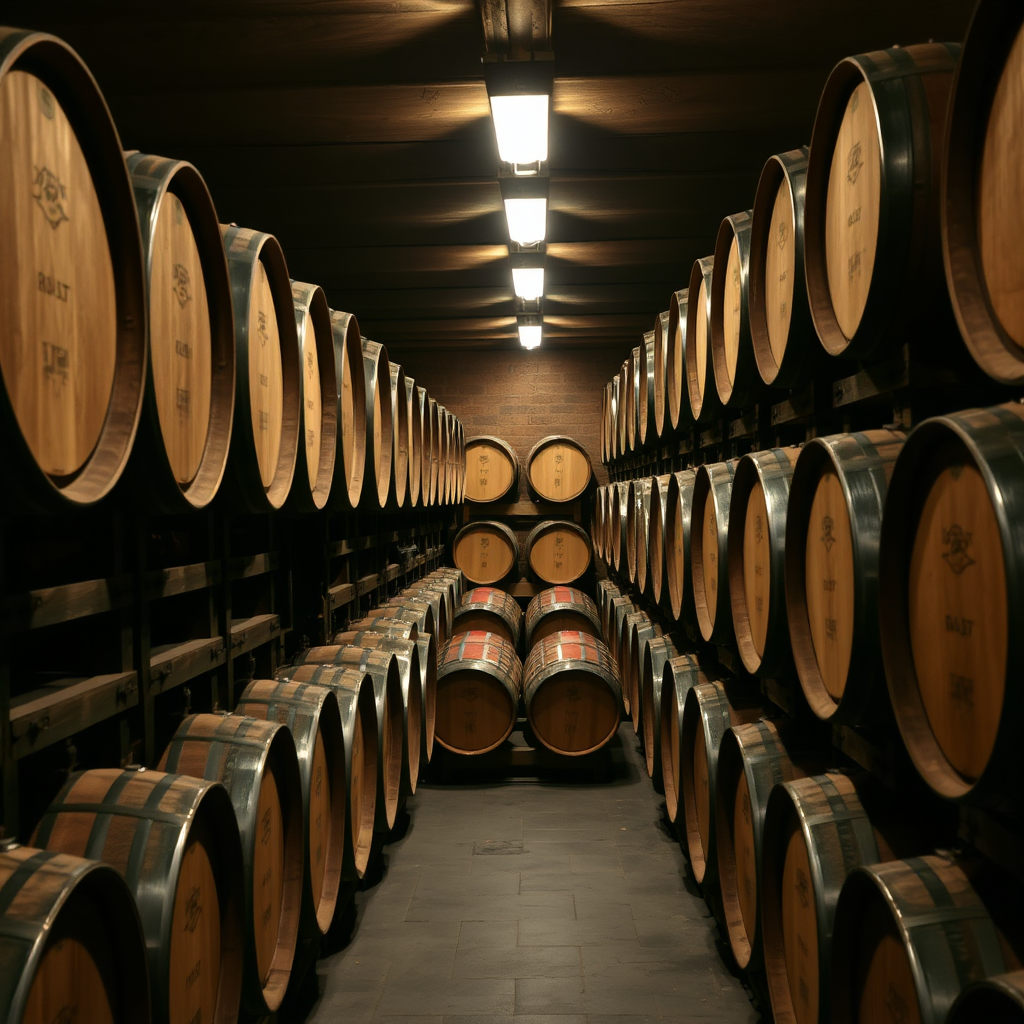
Oak barrels
- add notes of vanilla, spice, and coconut;
- soften tannins;
- increase aging potential.
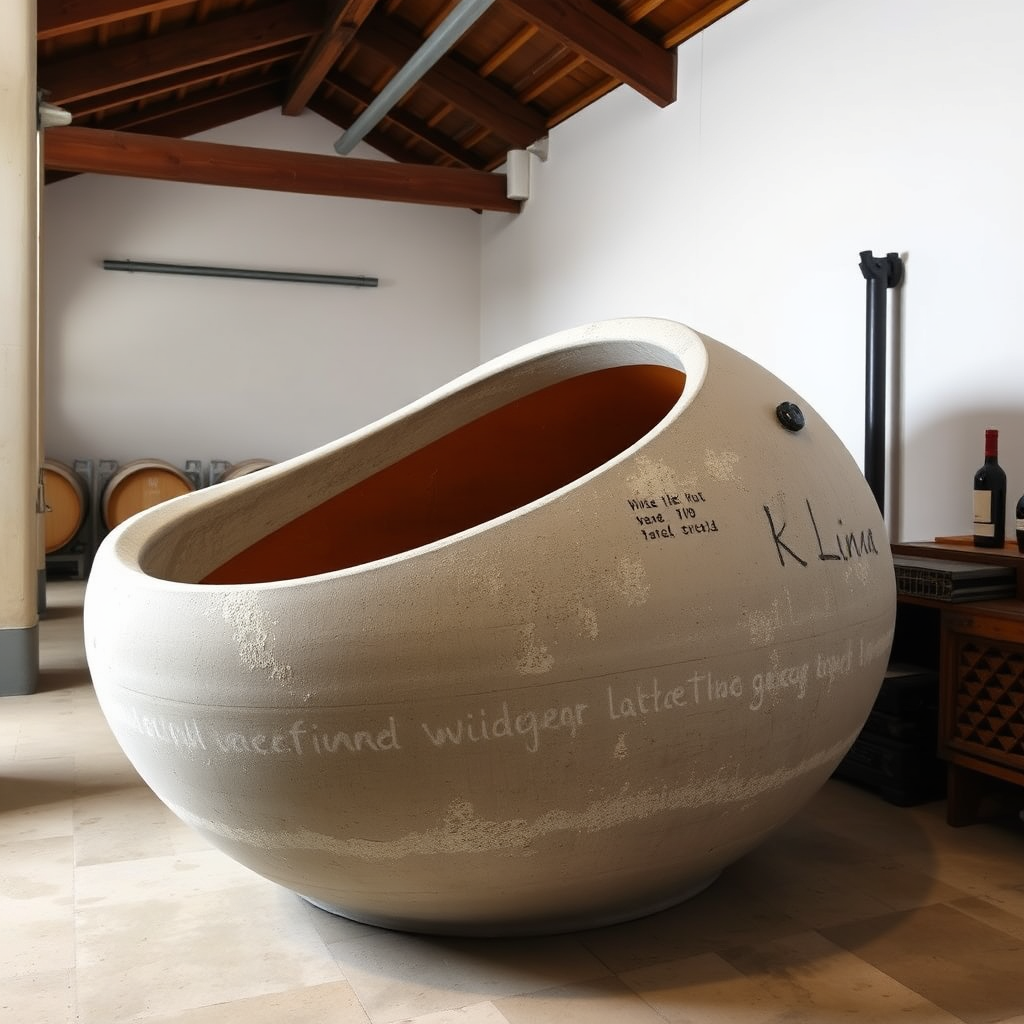
Concrete and clay
- do not add aromas;
- round out the texture;
- preserve the purity of the fruit.
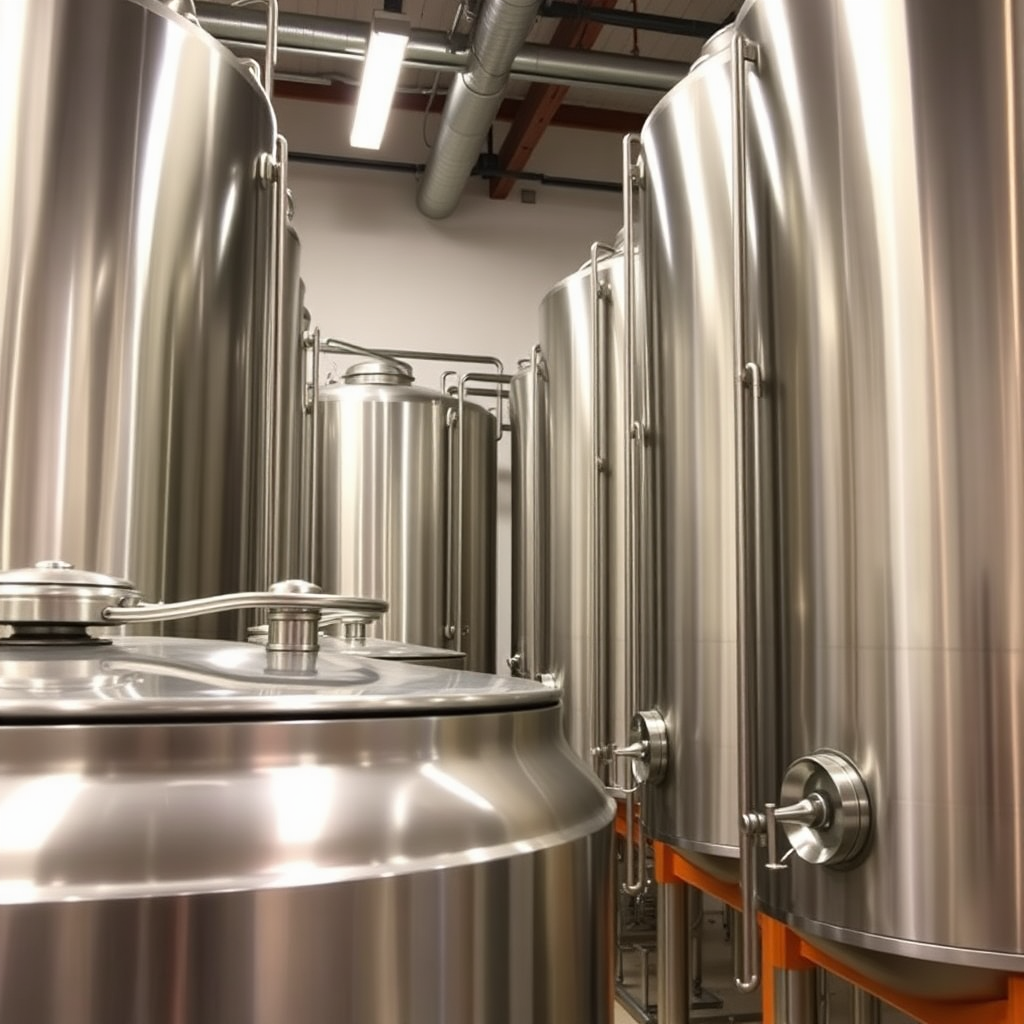
Stainless steel
- maximum freshness;
- fruit profile;
- minimize oxidation.
🇦🇷 An Argentine specialty
In Argentina, they often:
- use neutral oak,
- combine barrels and concrete,
- avoid excessive oakiness.
This highlights the fruit and softness, rather than masking them.
Cross-references:
Part 4. Blending, Fining, and the Journey to the Bottle
🧩 STEP 8. Wine Blending (Blending - the art of final balance)
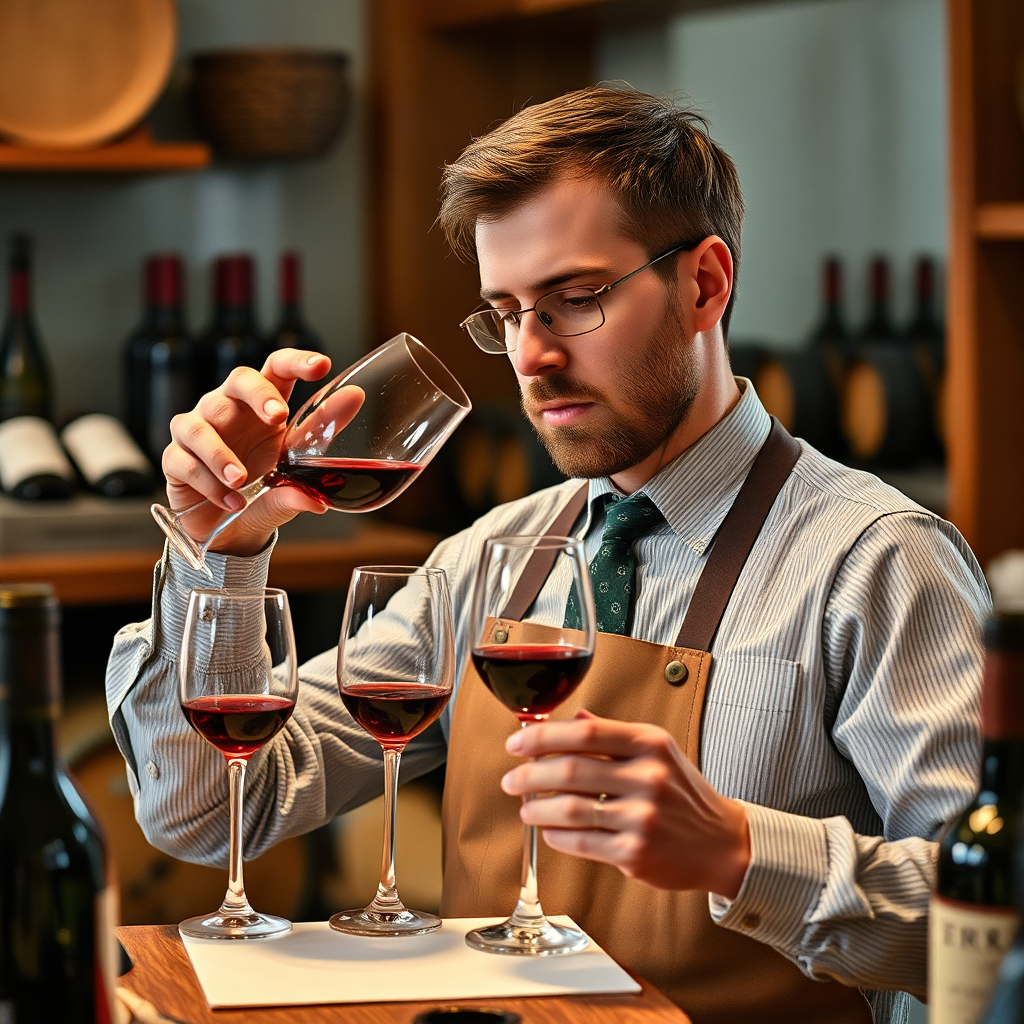
After aging, wine rarely goes straight to the bottle. First, the winemaker makes one of the most intellectually challenging decisions: blending.
What is a blend
A blend is:
- blending different grape varieties,
- or different barrels of a single variety,
- or wines from different vineyard plots.
The goal is not to "average" the wine, but to:
- enhance its strengths,
- smooth out its weaknesses,
- achieve textural balance.
Important: blending is based on taste and mouthfeel, not just aroma.
🇦🇷 Argentine Blending Practice
While Argentina is known for varietal wines (especially Malbec), in practice:
- Malbec is often complemented with Cabernet Franc → freshness and structure
- or Cabernet Sauvignon → depth and aging potential
- or Bonarda → juiciness and fruitiness
Even "100% Malbec" is often a blend of different barrels, altitudes, and soils.
🧪 STEP 9. Wine fining and filtration
Before bottling, wine should be: stable, clean, safe for storage.
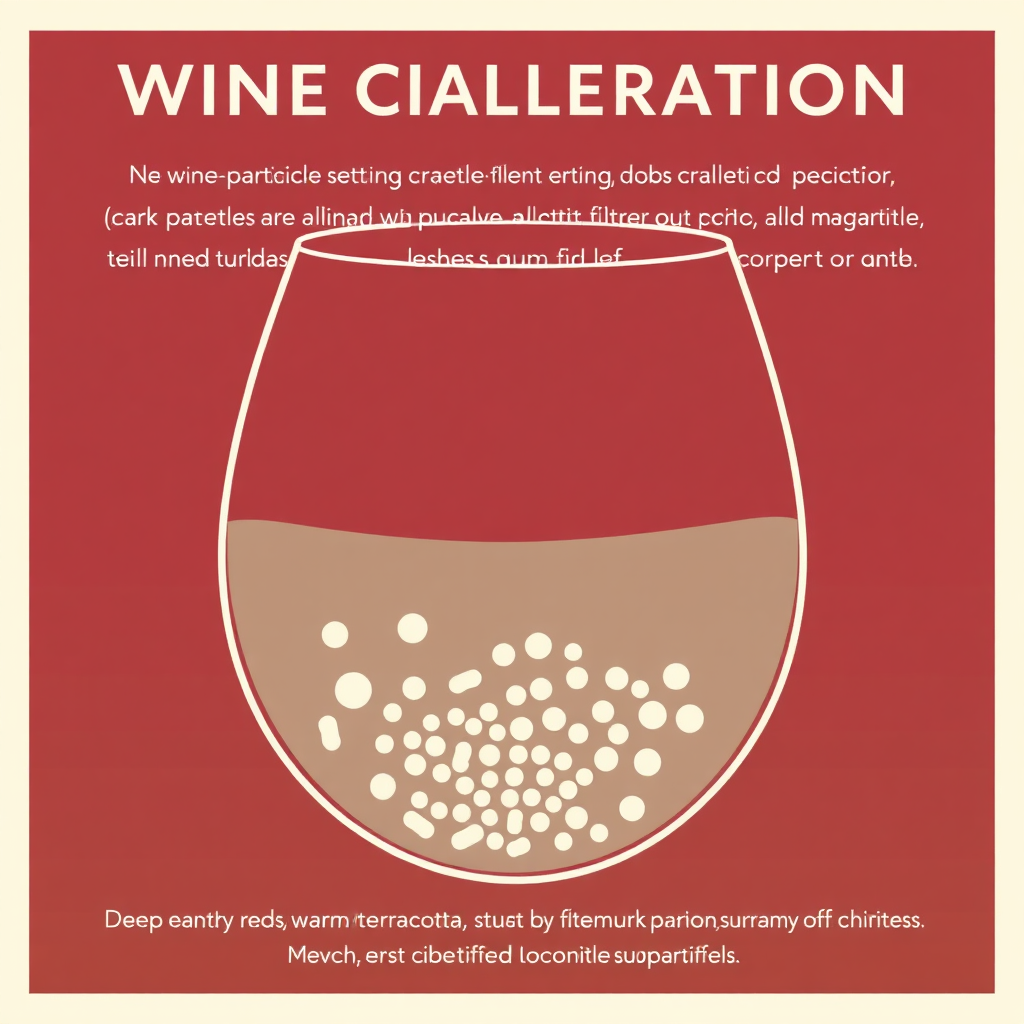
Why wine is fining
Wine may contain: proteins, microparticles, unstable compounds.
Fining helps:
- remove turbidity,
- reduce the risk of spoilage,
- improve appearance.
What is used to fin wine
- Egg white – a classic for red wines
- Casein – a milk protein
- Bentonite – clay (vegan option)
After this, the wine is often filtered to remove microorganisms.
🇦🇷 The Argentine Approach
In Argentina, two trends are noticeable:
- Modern wineries: careful filtration, a clean, consistent style, export orientation.
- Signature and terroir-driven projects: minimal or no filtration, an emphasis on texture, a light sediment is acceptable.
Neither approach is "right" or "wrong"—it's a matter of philosophy.
🍾 STEP 10. Bottling and labeling of wine
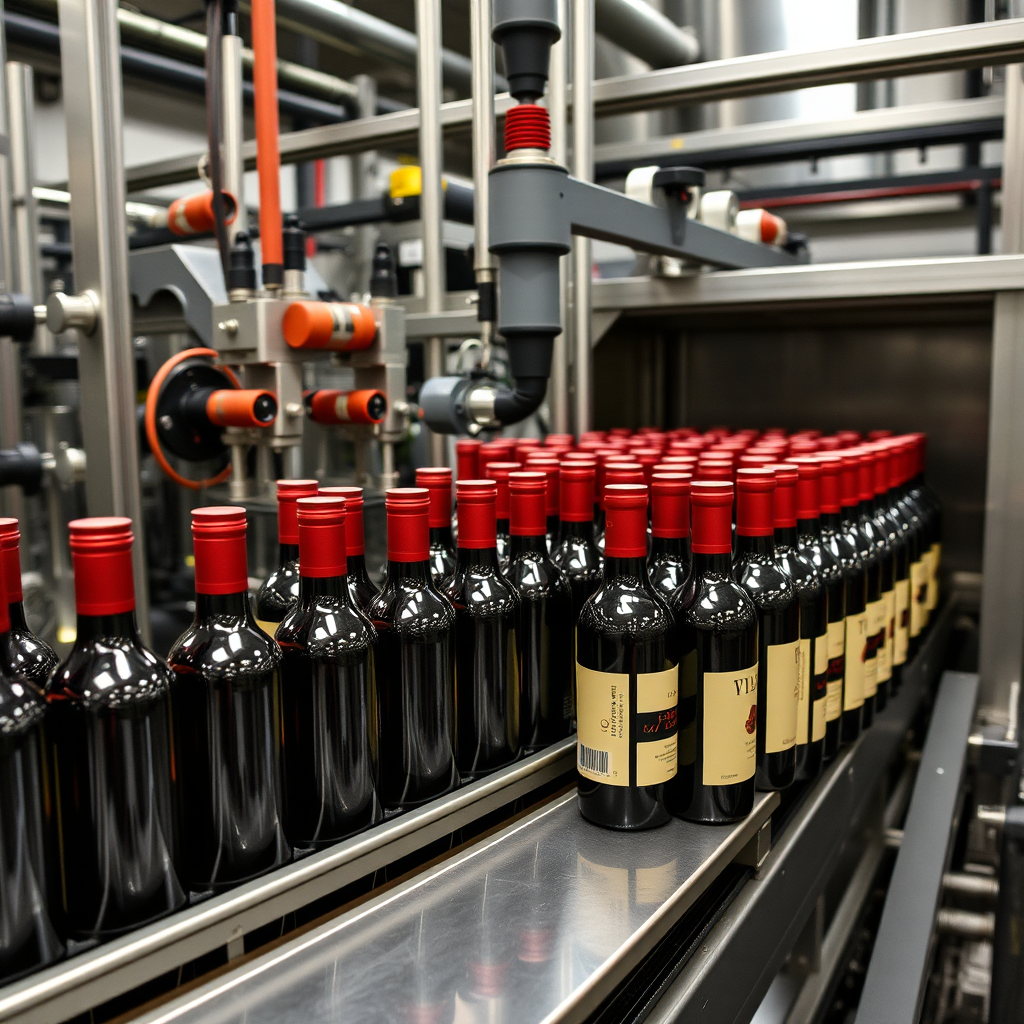
Bottling is a technically simple, yet critically important step.
What's important during bottling?
- Minimal contact with oxygen;
- Sterility;
- Precise SO₂ levels;
- Airtight closure.
A microdose of sulfur dioxide is often added to protect the wine during transportation.
"Bottle Shock"
After bottling, the wine may:
- Feel closed,
- Flat,
- Bland.
This is normal.
So-called bottle shock subsides in:
- Several weeks,
- Sometimes months.
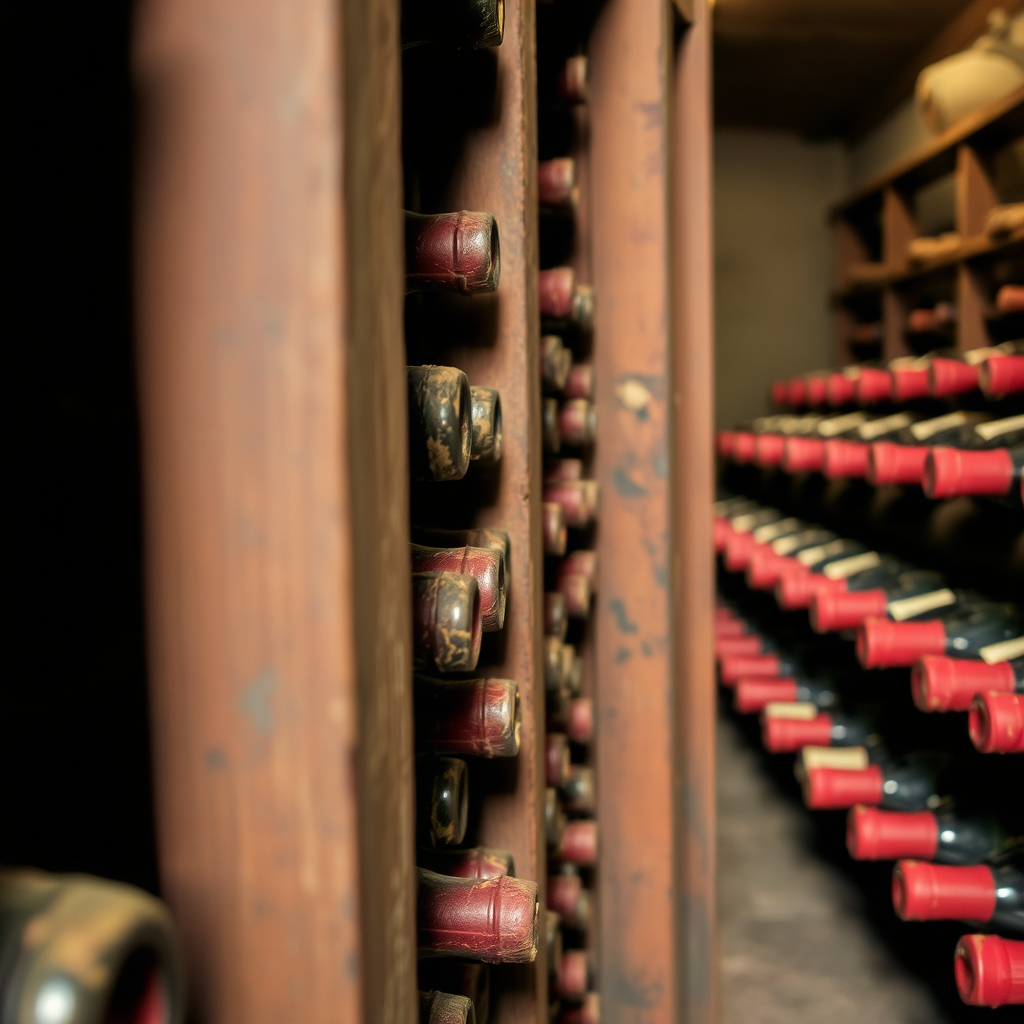
⏳ STEP 11. Bottle Aging
Some wines are ready to drink immediately. Others are made for time.
What happens in the bottle
- microscopic oxidation,
- tannin polymerization,
- development of tertiary aromas:
- nuts,
- leather,
- dried fruit,
- tobacco.
🇦🇷 Argentine context
Argentine red wines:
- often enjoyable young,
- but the best examples (Reserva, Gran Reserva): benefit from aging, reveal complexity after 5-15 years.
Particularly well-aged:
- Malbec from the highlands,
- blends with Cabernet Franc,
- moderately oaked wines.
🍷 Finishing touches
From vine to glass, red wine goes through 11 deliberate stages. Each of them:
- influences flavor,
- shapes texture,
- determines character.
Red wine is not a recipe, but a chain of decisions.
And now, when you open a bottle, you know exactly what lies behind that flavor.