🌅 Introduction — Where Wine Becomes a Ritual
Wine is not only poured; it is awakened.
In Argentina, serving wine is an art — a slow conversation between the earth and the senses.
From Mendoza’s candle-lit cellars to a family table at sunset, every pour carries meaning: respect for the grape, for the guest, and for the moment itself.
To serve wine is to serve time, bottled in glass.
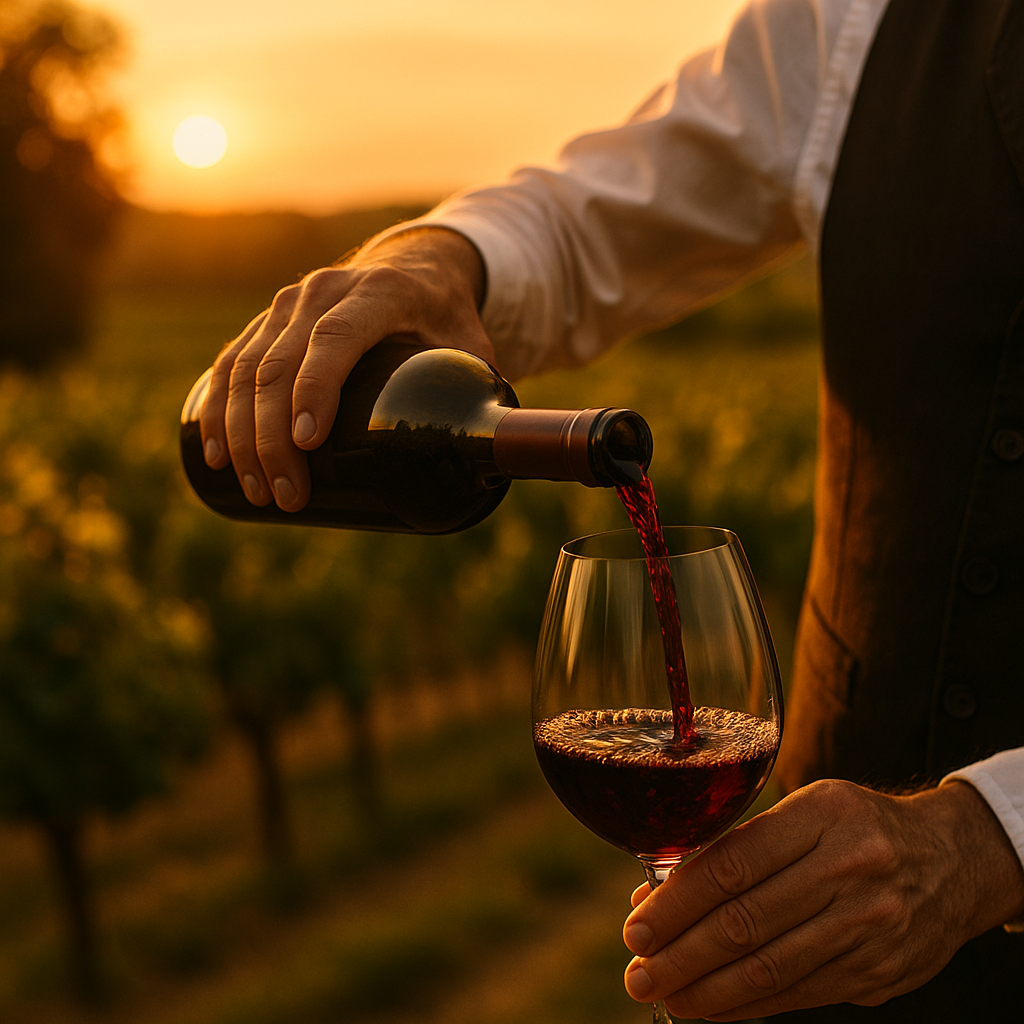
1. The Temperature of Perfection
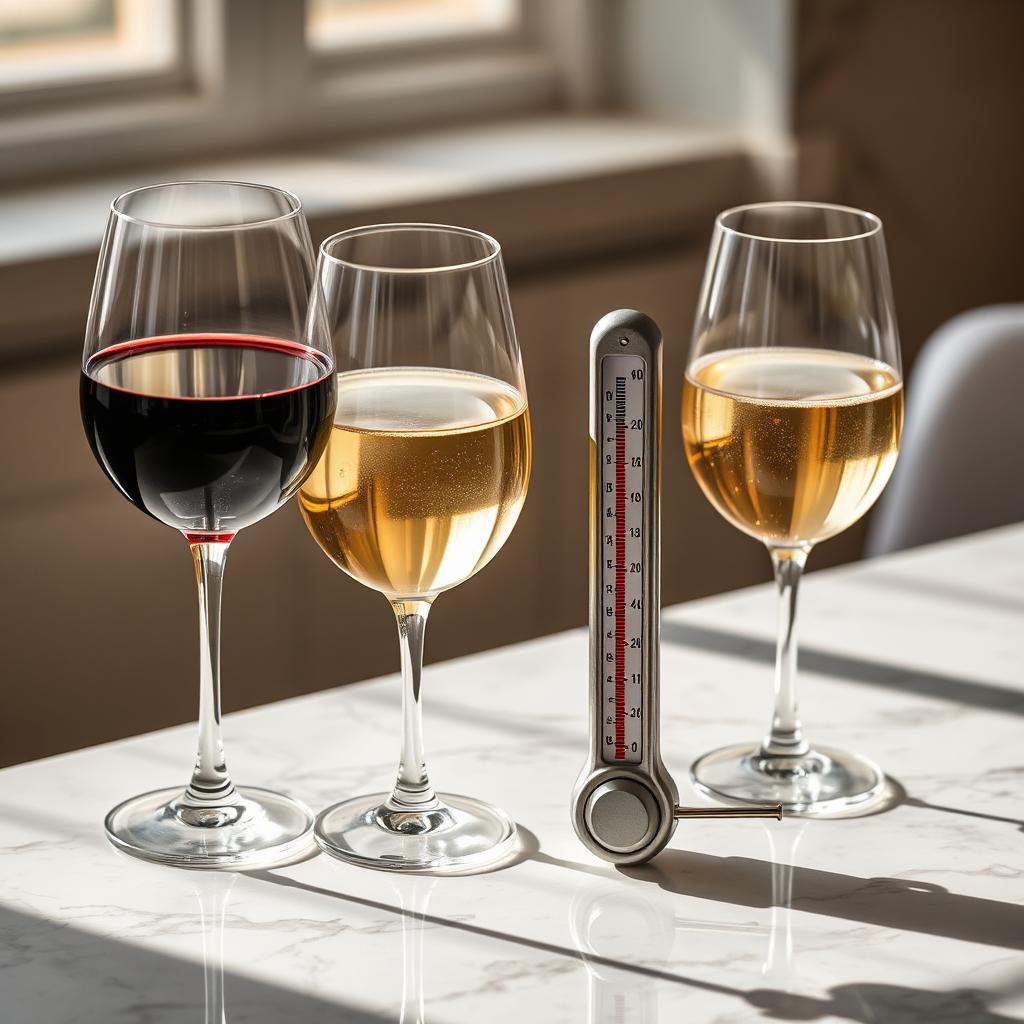
Temperature can turn a masterpiece into mediocrity — or reveal its soul.
- Red wine should rest at 16–18 °C — cool enough to keep its structure, warm enough to release aroma.
- White wine lives best at 8–12 °C, bright and refreshing.
- Sparkling wine whispers at 6–8 °C, its bubbles rising like laughter.
Never freeze, never rush — let the wine breathe before you serve.
The right temperature is the bridge between nature and the glass.
🍇 2. Choosing the Right Glass
The glass is the stage where wine performs.
A large-bowled glass lets a Malbec swirl and open like music; a narrow flute keeps the sparkle alive.
- Malbec — wide-bell red glass, thin rim, captures aroma.
- Torrontés — tulip-shaped white glass for delicate florals.
- Sparkling — flute or tulip for bubbles and freshness.
Always hold by the stem — warmth belongs to the heart, not the hand.
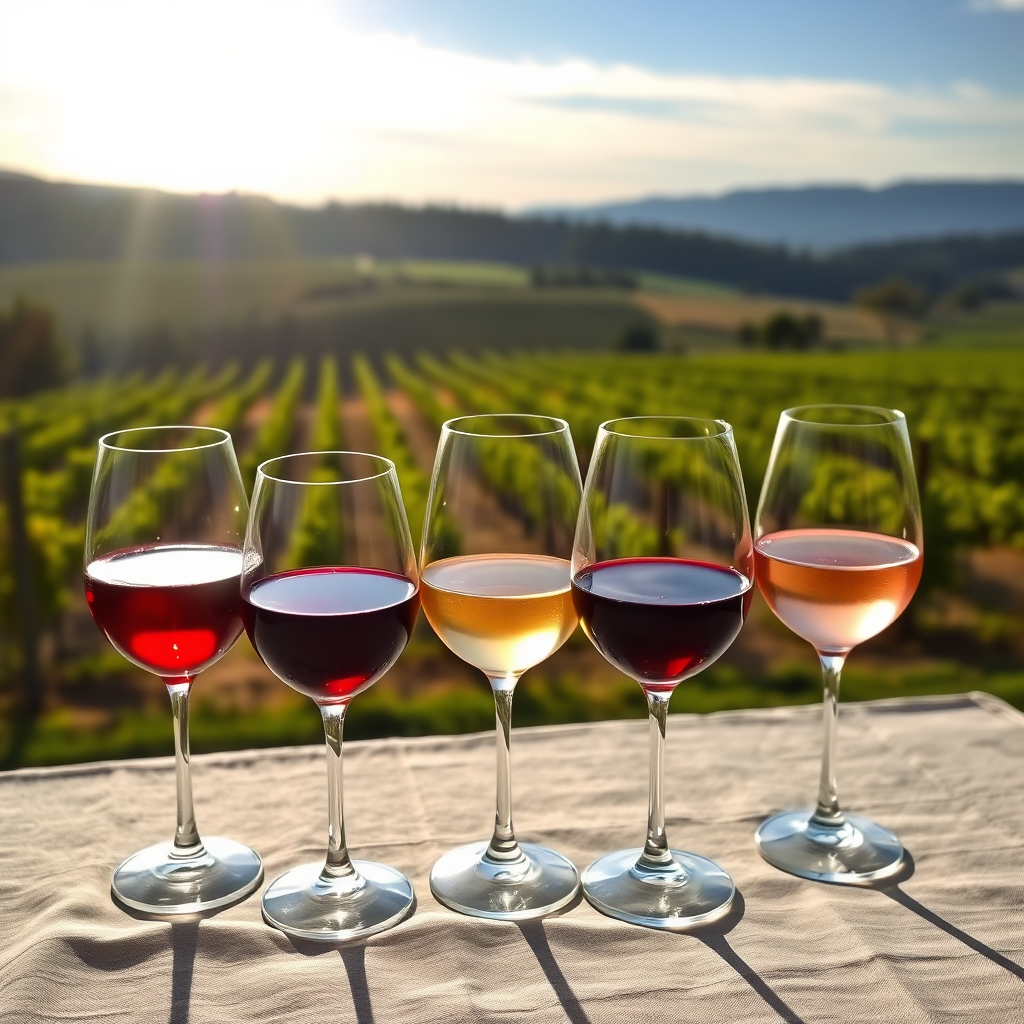
🫧 3. The Pour — Grace and Silence
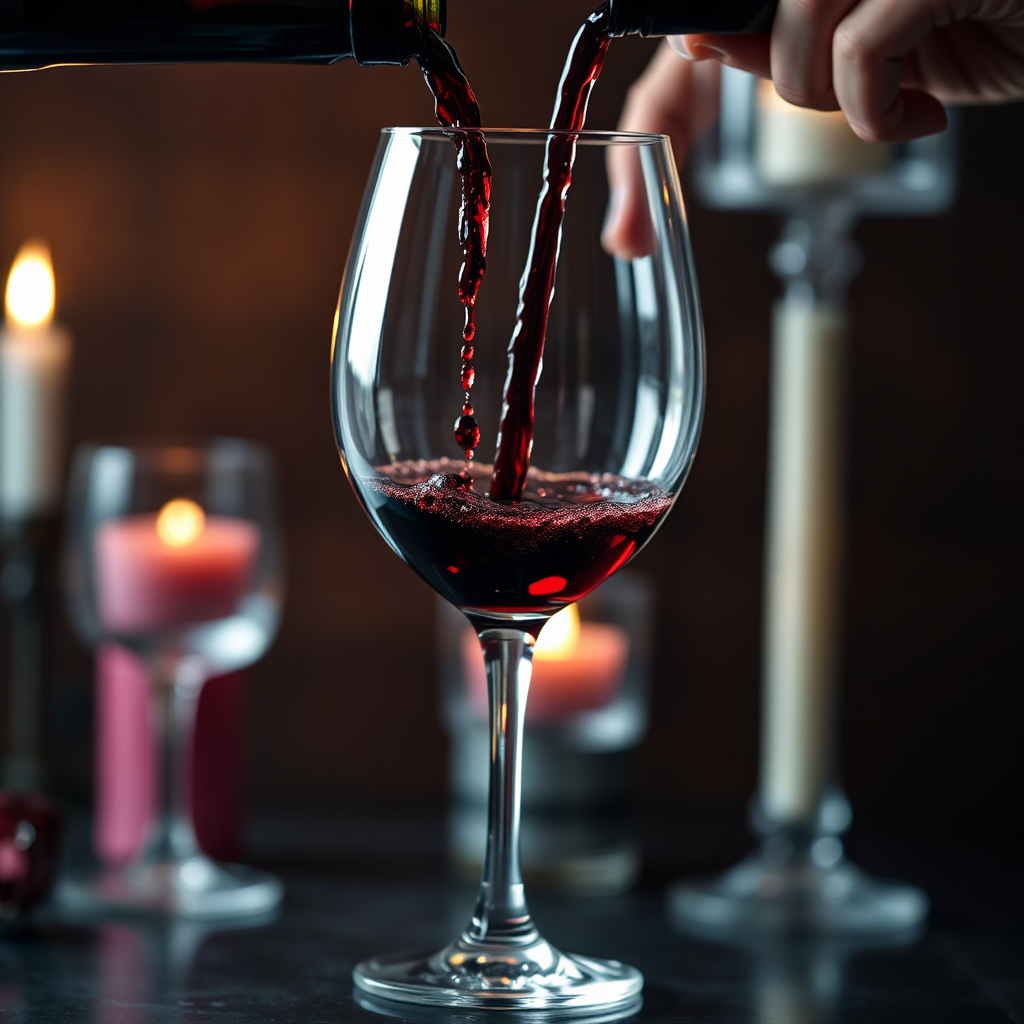
A true pour is quiet. The bottle tilts, the stream flows, and time slows.
Never fill the glass to the top — one-third is enough to let aromas dance.
Hold the bottle from its base, label facing the guest.
A gentle twist at the end prevents the drop — a detail only those who love wine remember.
Each pour is a gesture of gratitude — to the land, the maker, and the moment.
🌬️ 4. Letting the Wine Breathe
Before tasting, wine must meet the air — just like a traveler greeting a new city.
Oxygen unlocks hidden aromas, softens the tannins, and makes the wine come alive.
- Young reds (Malbec, Cabernet) need 20–30 min.
- Old wines just a few minutes — they are fragile memories.
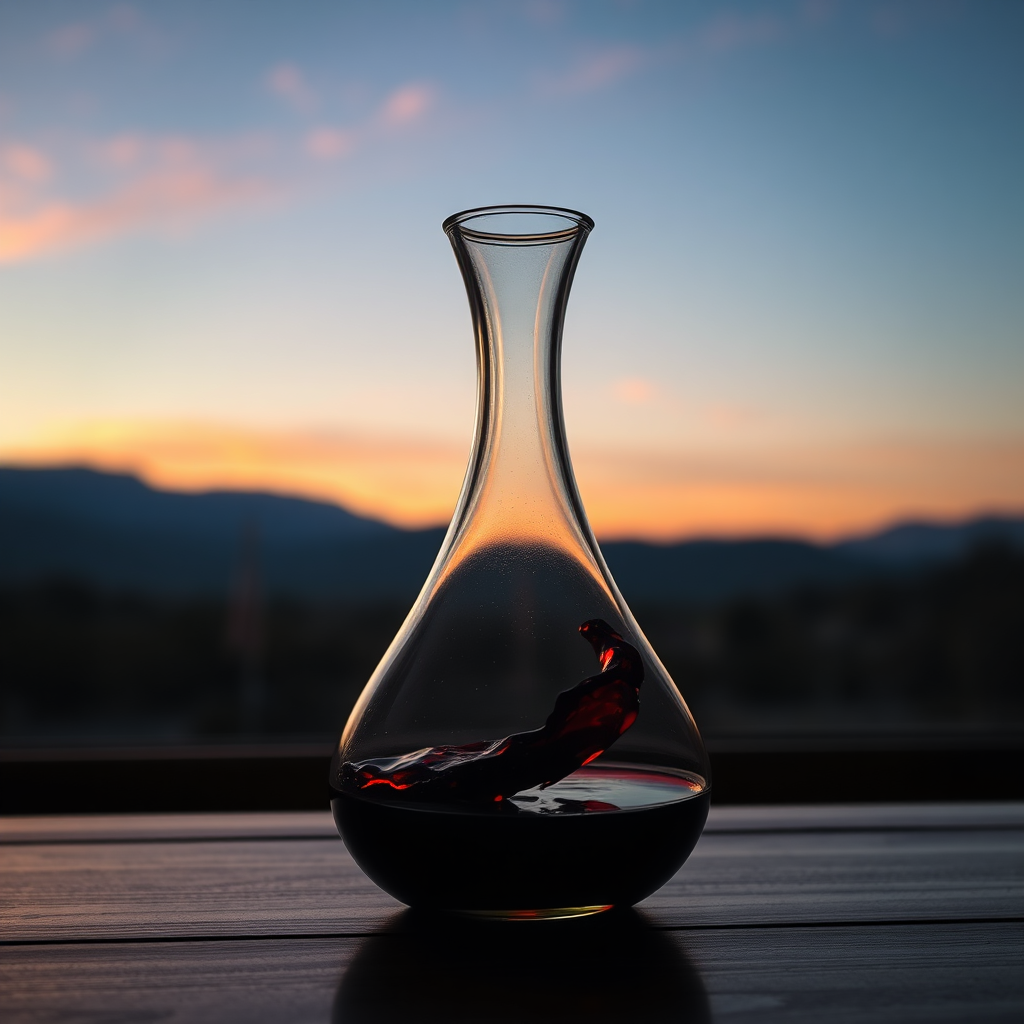
Use a decanter — glass shaped like a dream — to let light and air mingle.
🍽️ 5. Pairing and Presence
Serving wine is not about rules — it’s about rhythm.
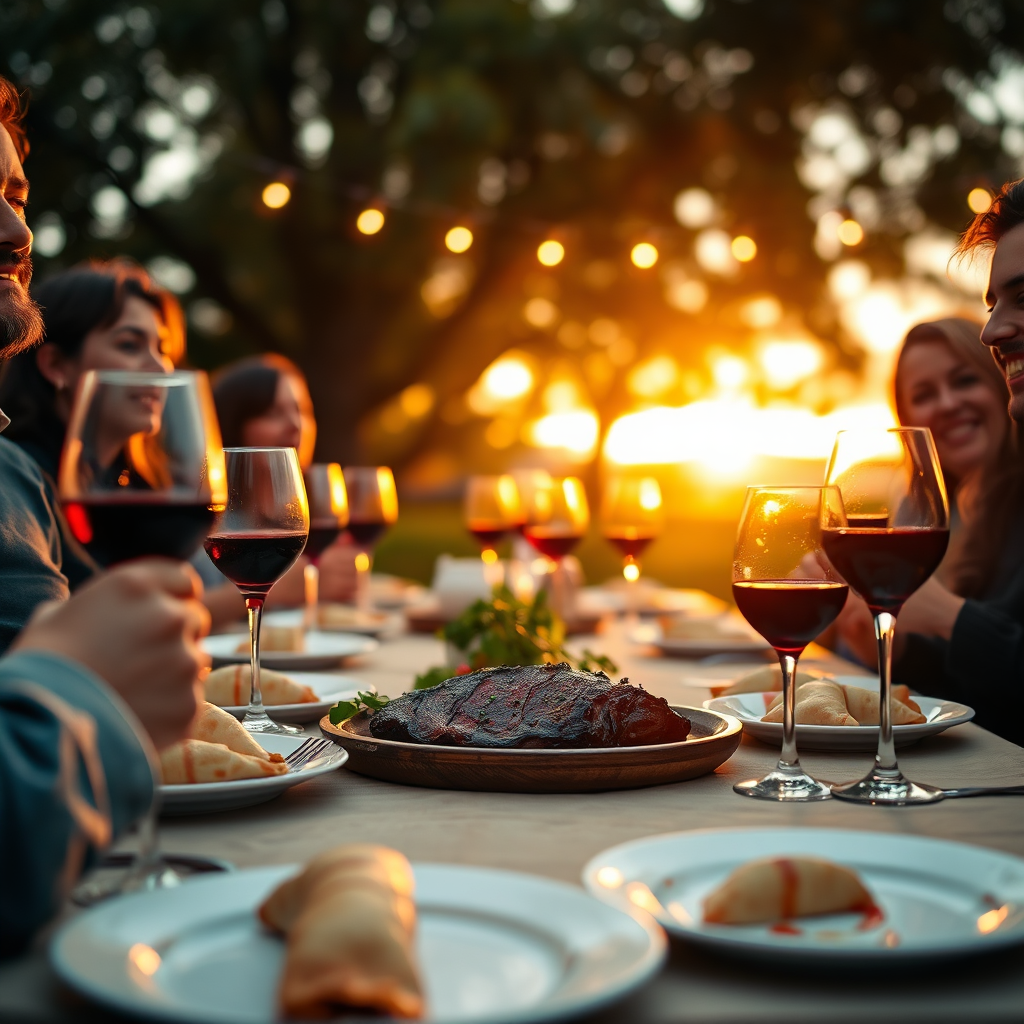
Wine must walk beside the meal, not overtake it.
- Malbec loves grilled beef (asado).
- Torrontés sings with seafood and citrus.
- Pinot Noir from Patagonia matches roasted vegetables or trout.
A perfect pairing is a story told by two voices — food and wine speaking the same language.
💫 6. The Moment of the Toast
The final act is silence before sound — glasses meet, eyes meet, hearts align.
In Argentina, toasting is not a formality; it is a celebration of being together.
Raise your glass slowly, look into the eyes, and say softly: “Salud.”
In that instant, you are part of something ancient — a ritual older than memory itself.
Wine doesn’t just fill a glass; it fills the space between people.
🌄 Conclusion — Serving the Soul of the Land
To serve wine is to honor the land that gave it birth.
The soil, the rain, the human hand — all find their voice in that first sip.
Whether in a grand restaurant or a humble kitchen, the ritual remains the same: respect, patience, presence.
El Camino del Vino teaches us — the art of serving wine is, above all, the art of serving life itself.